Running in Siem Reap & Ultra Trail d’Angkor, Cambodia 🇰🇭
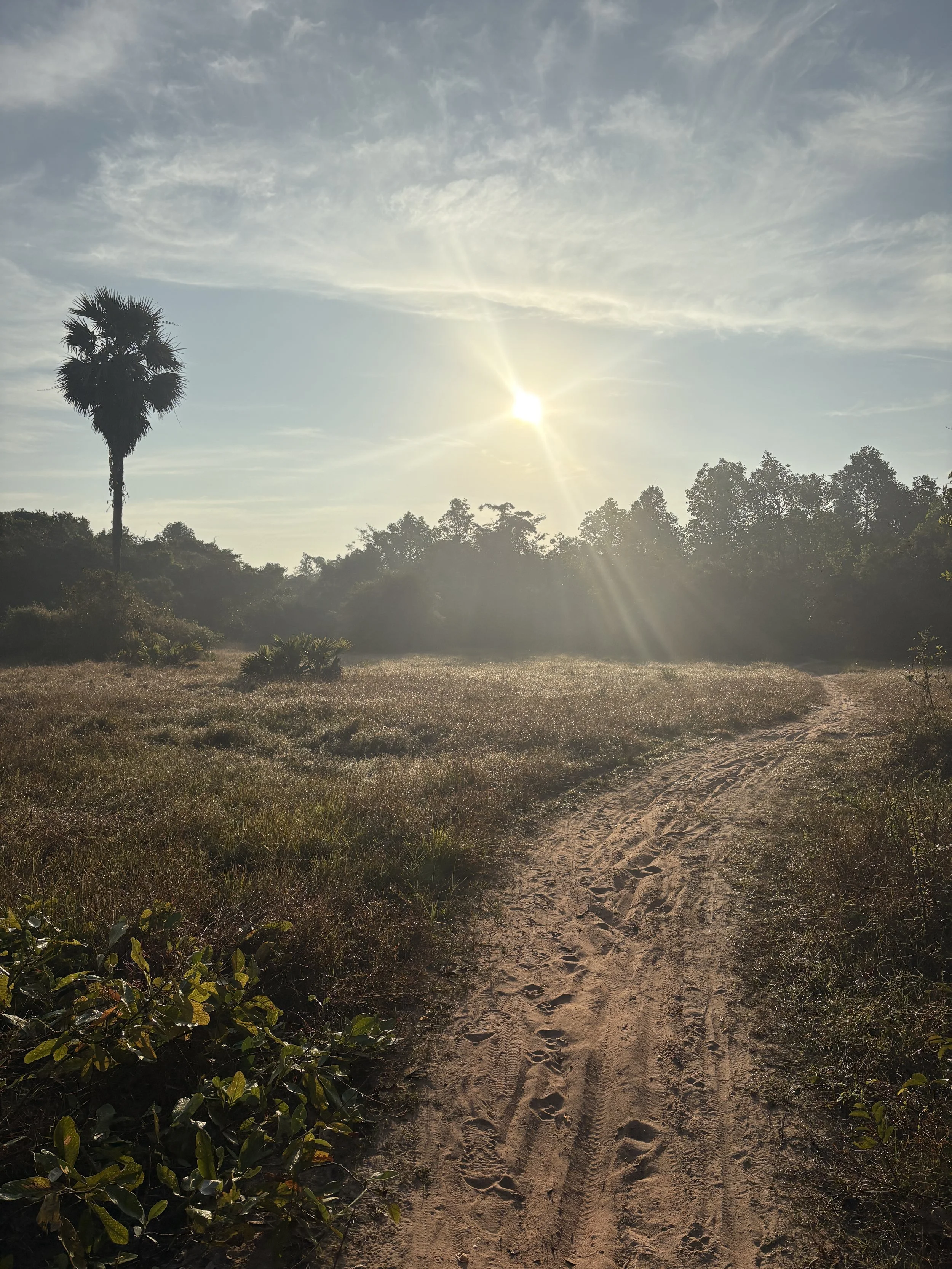
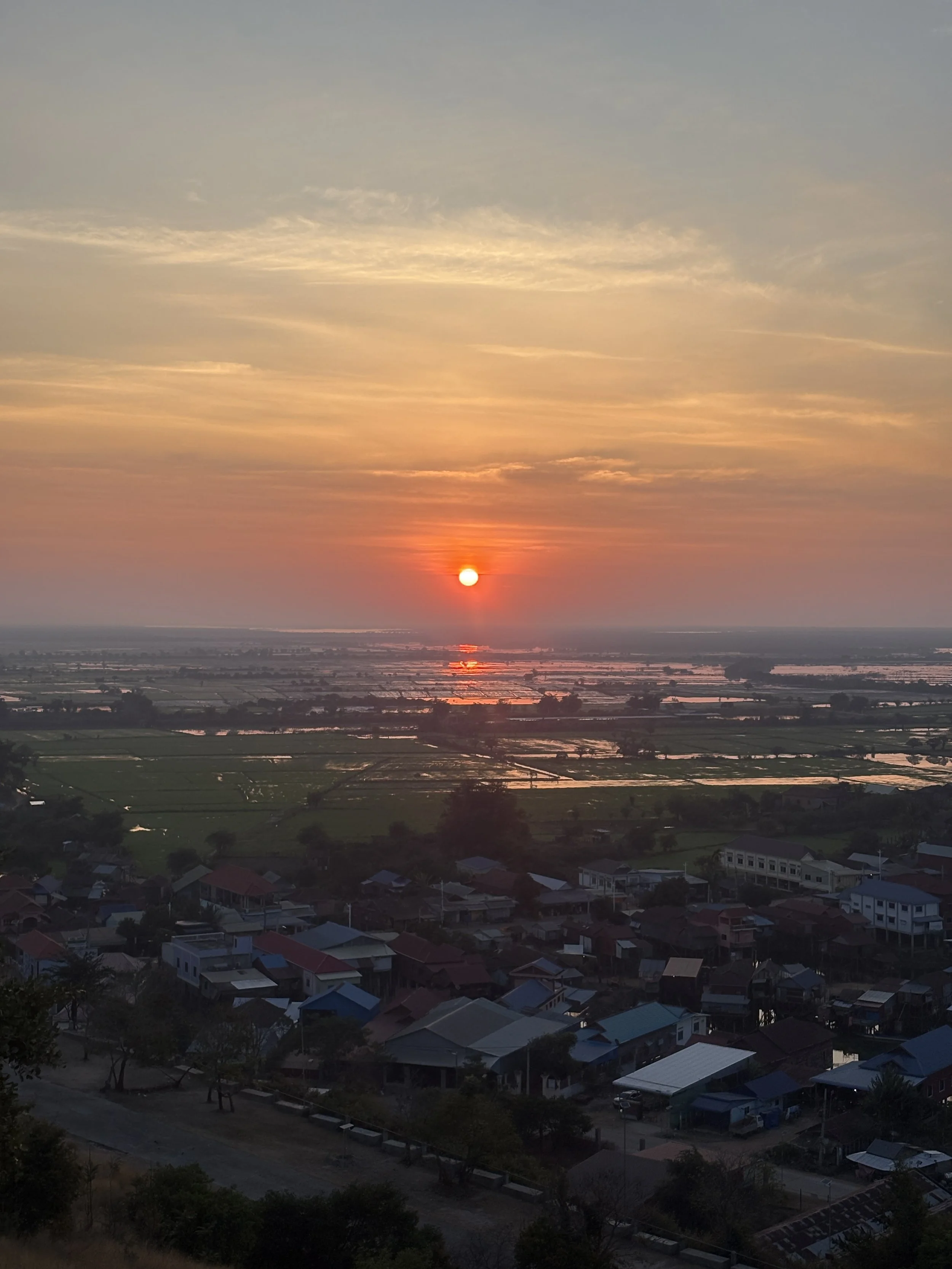
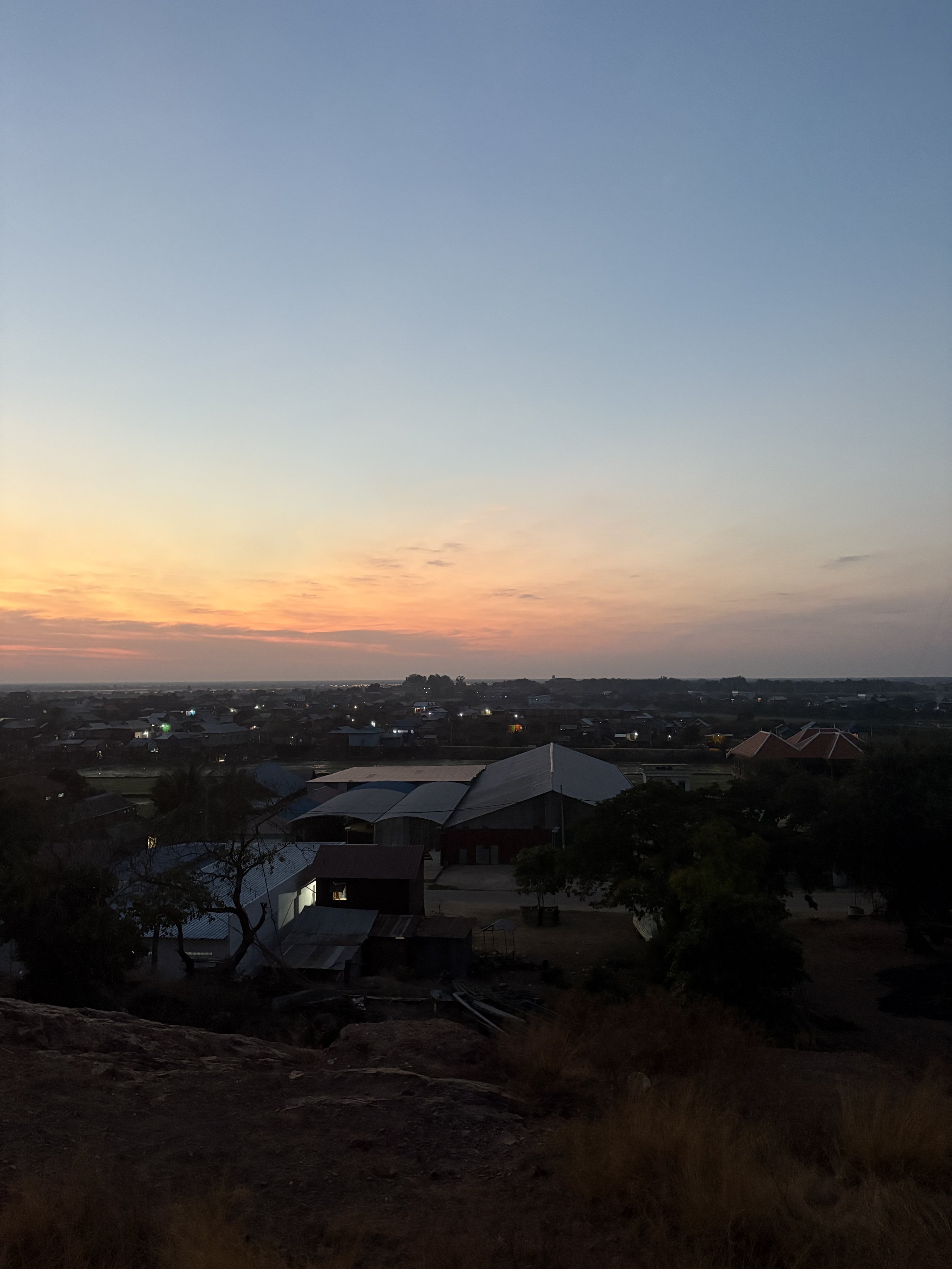
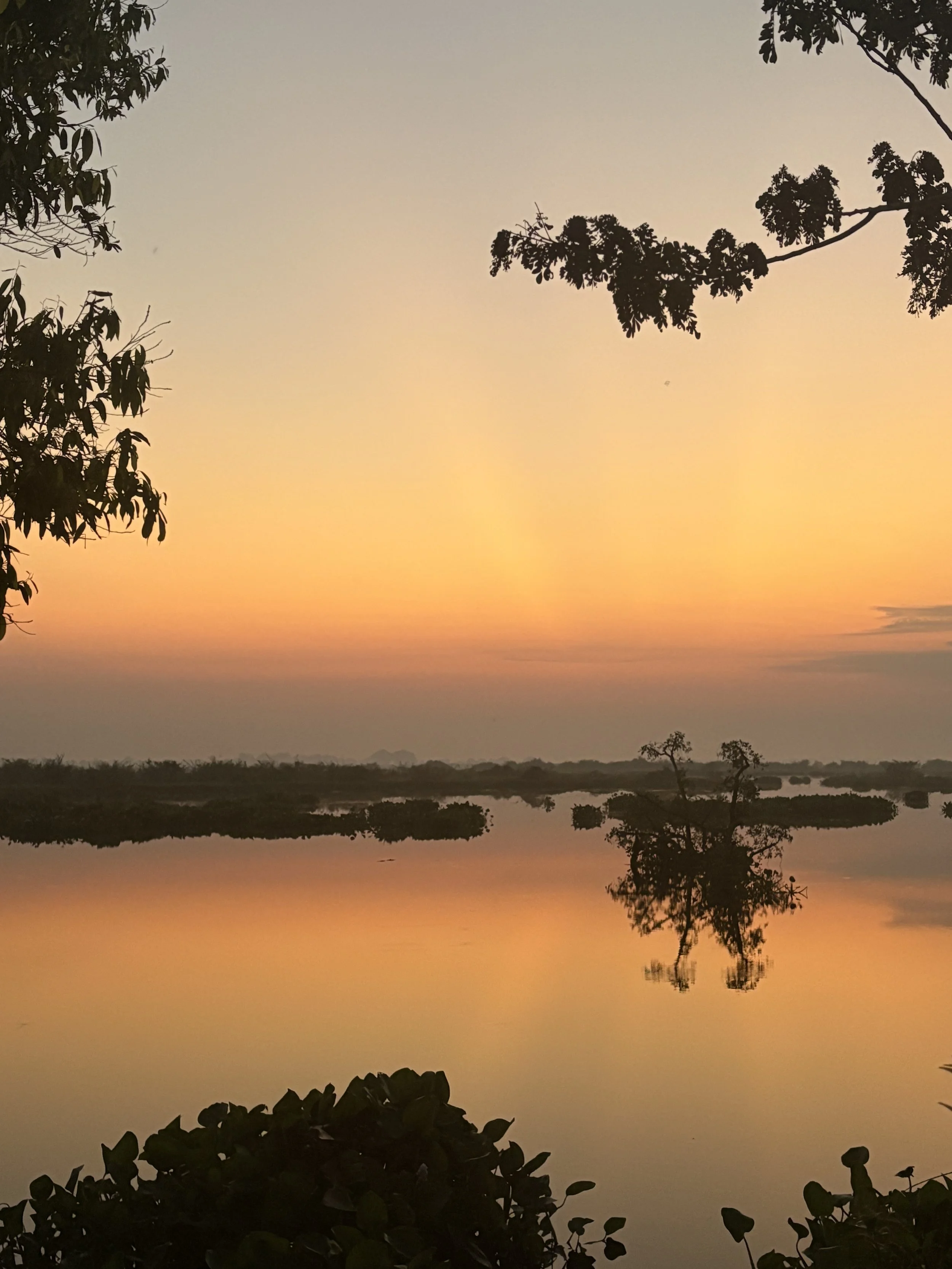
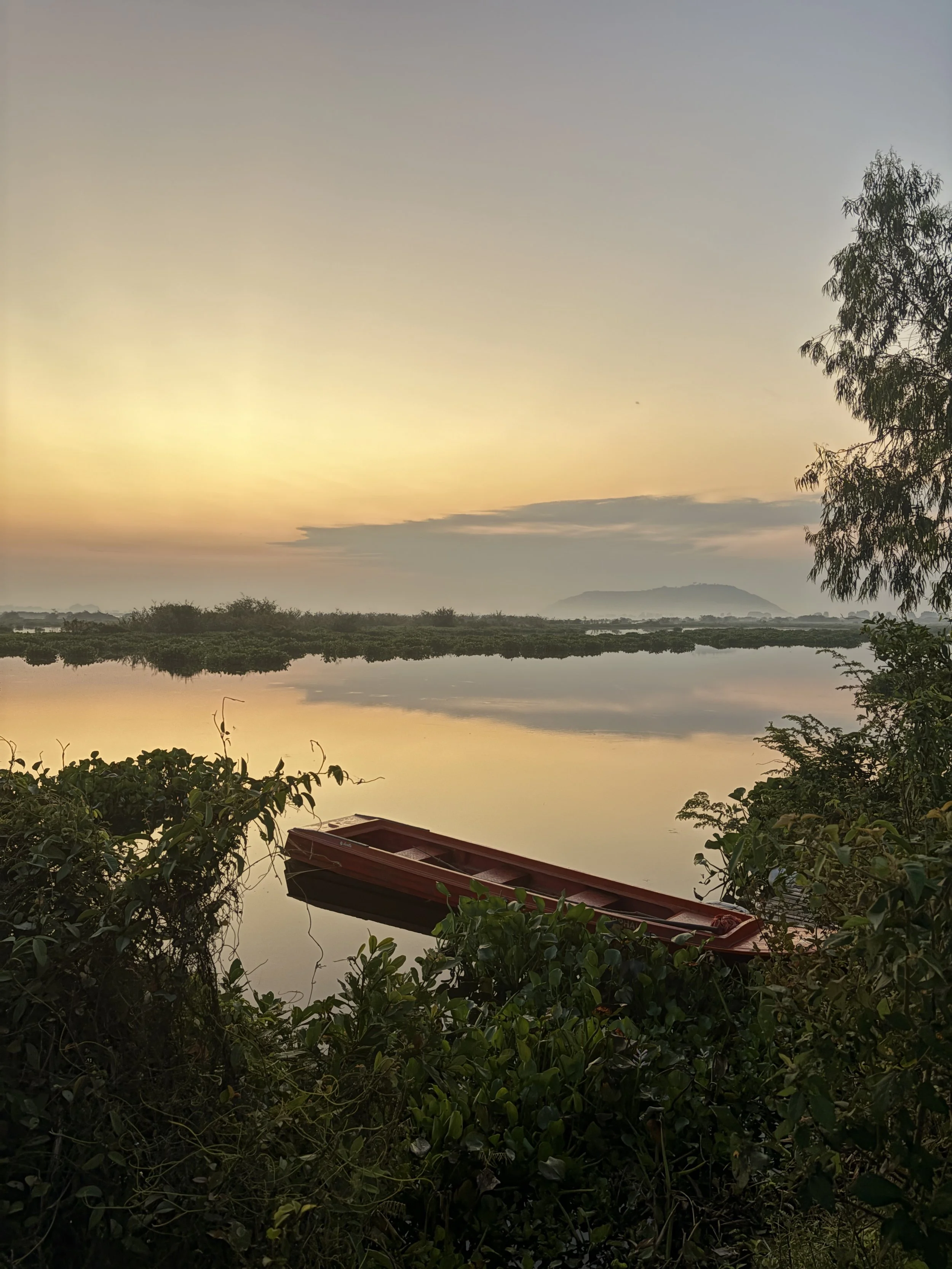
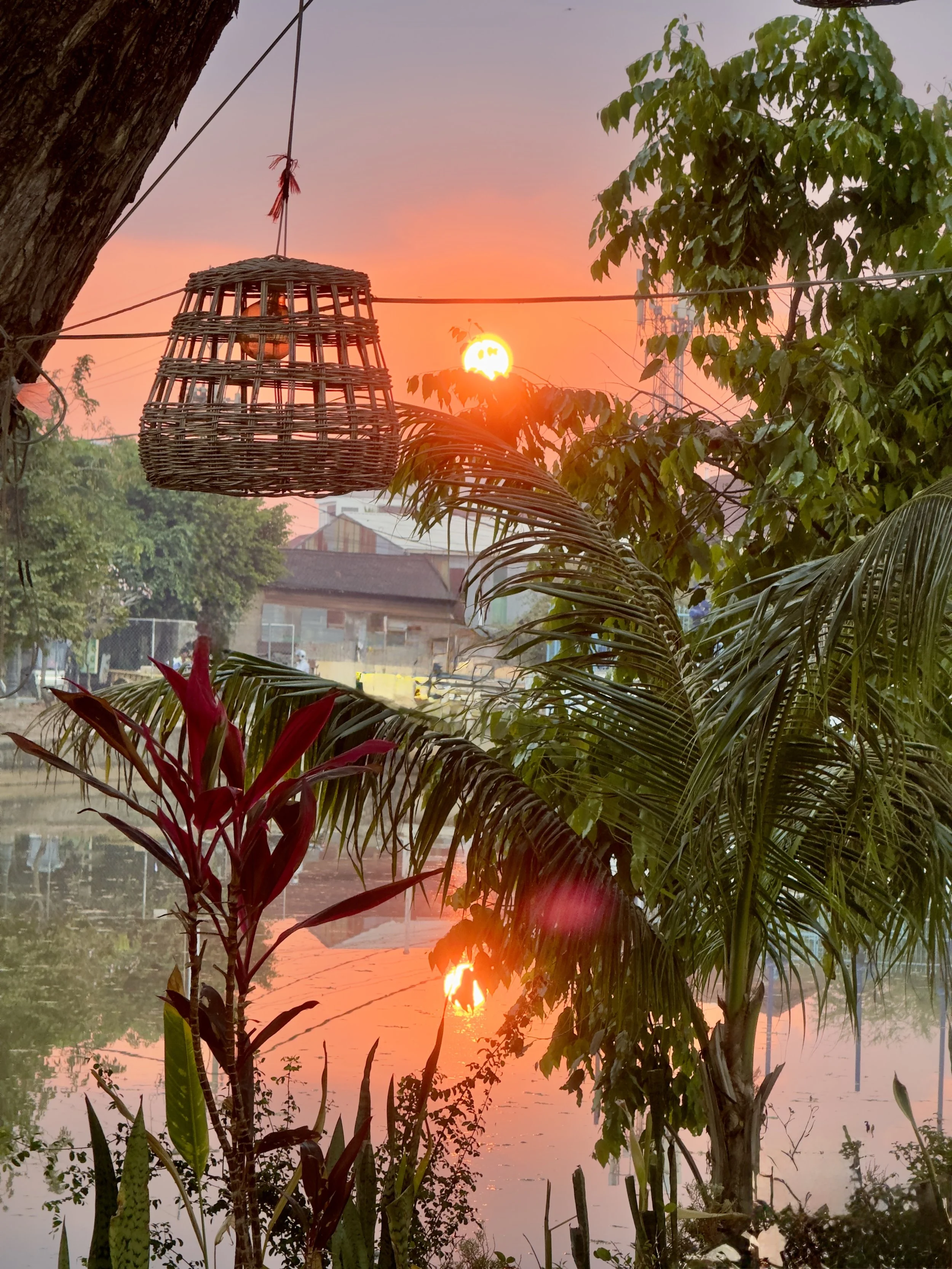
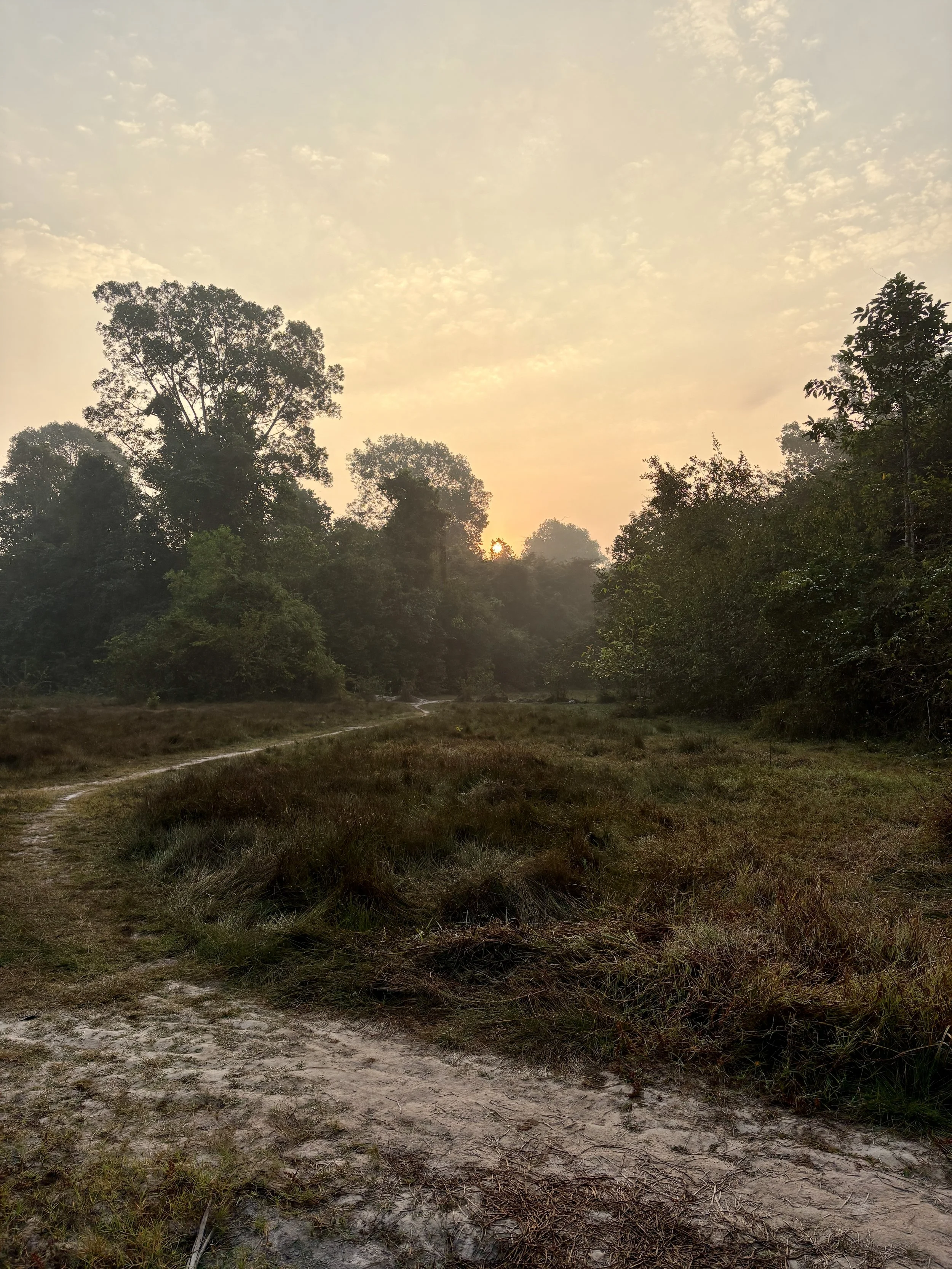
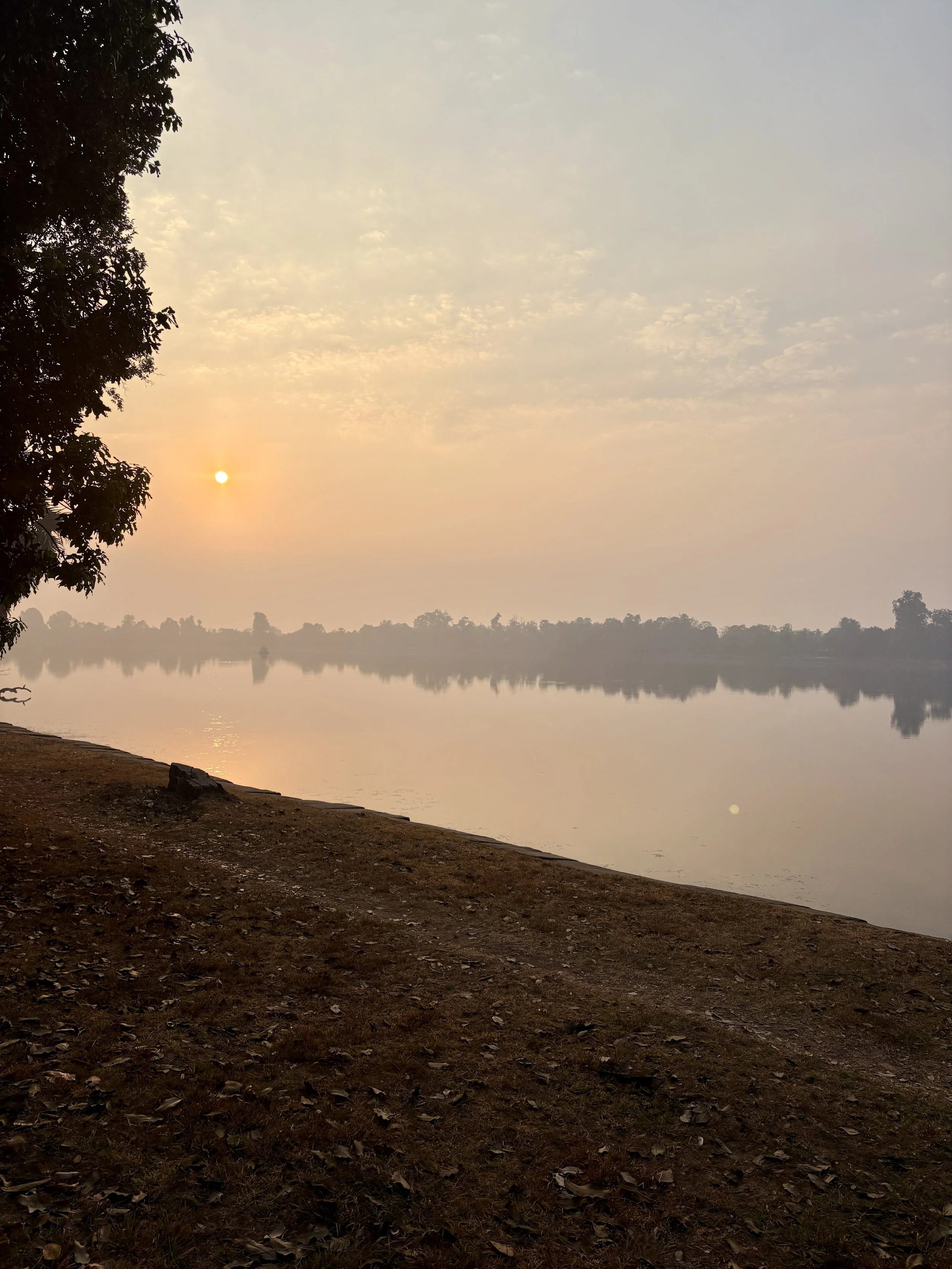
At 5:30 a.m., the sky shifts from black to deep purple, then to a stunning golden pink. The most beautiful sunrises are undoubtedly in Siem Reap. Majestic, mystical, intoxicating.
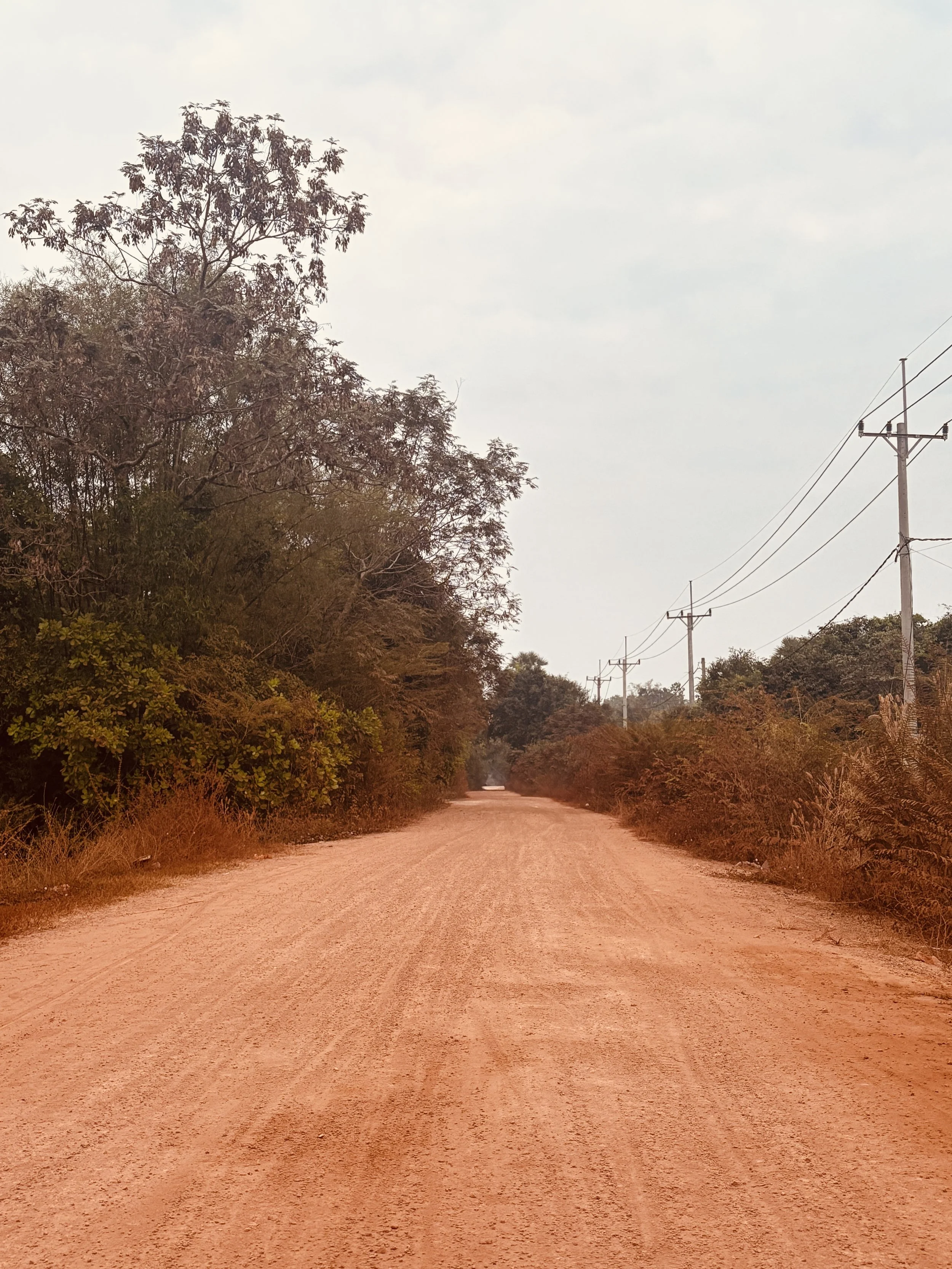
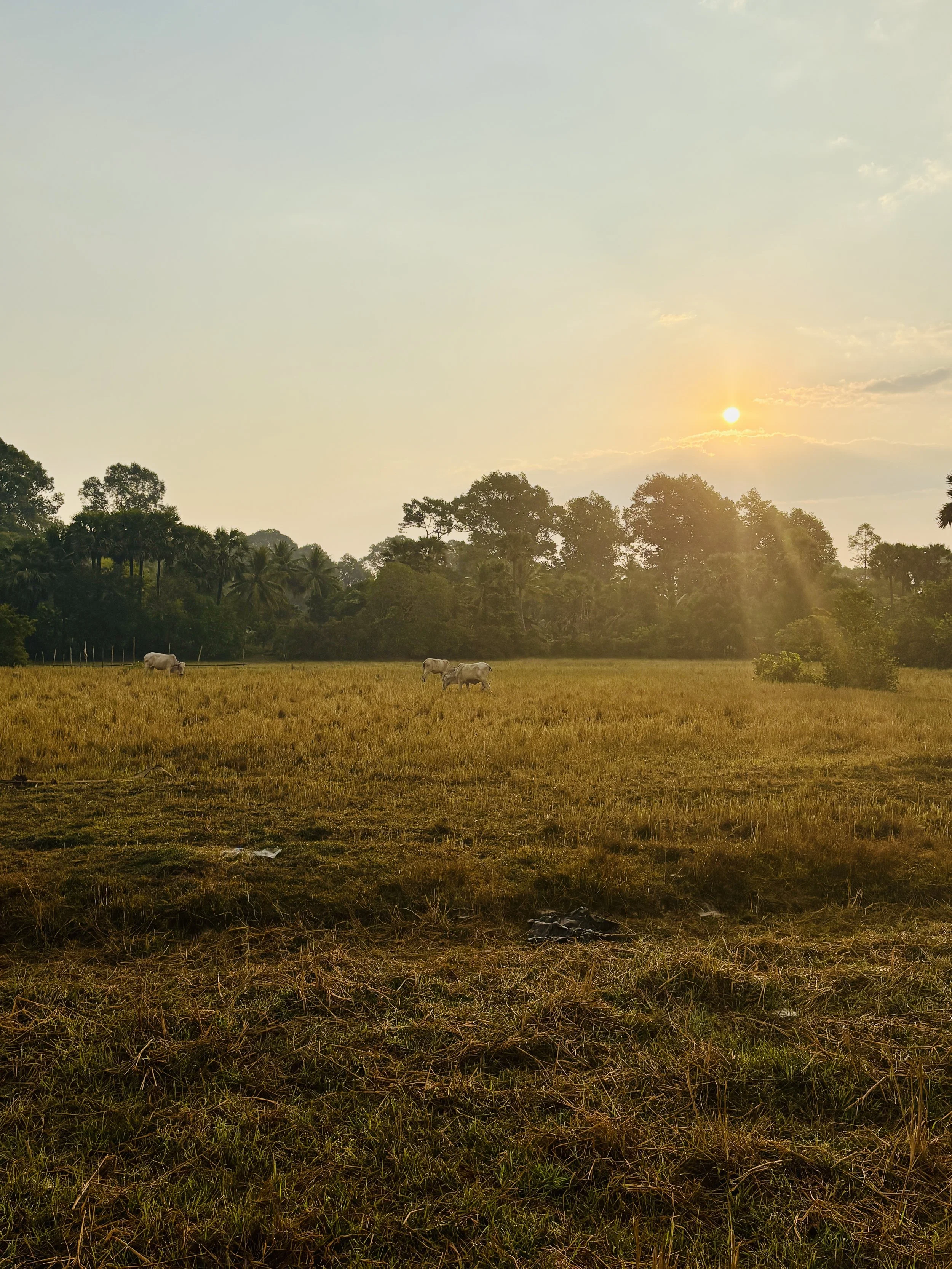
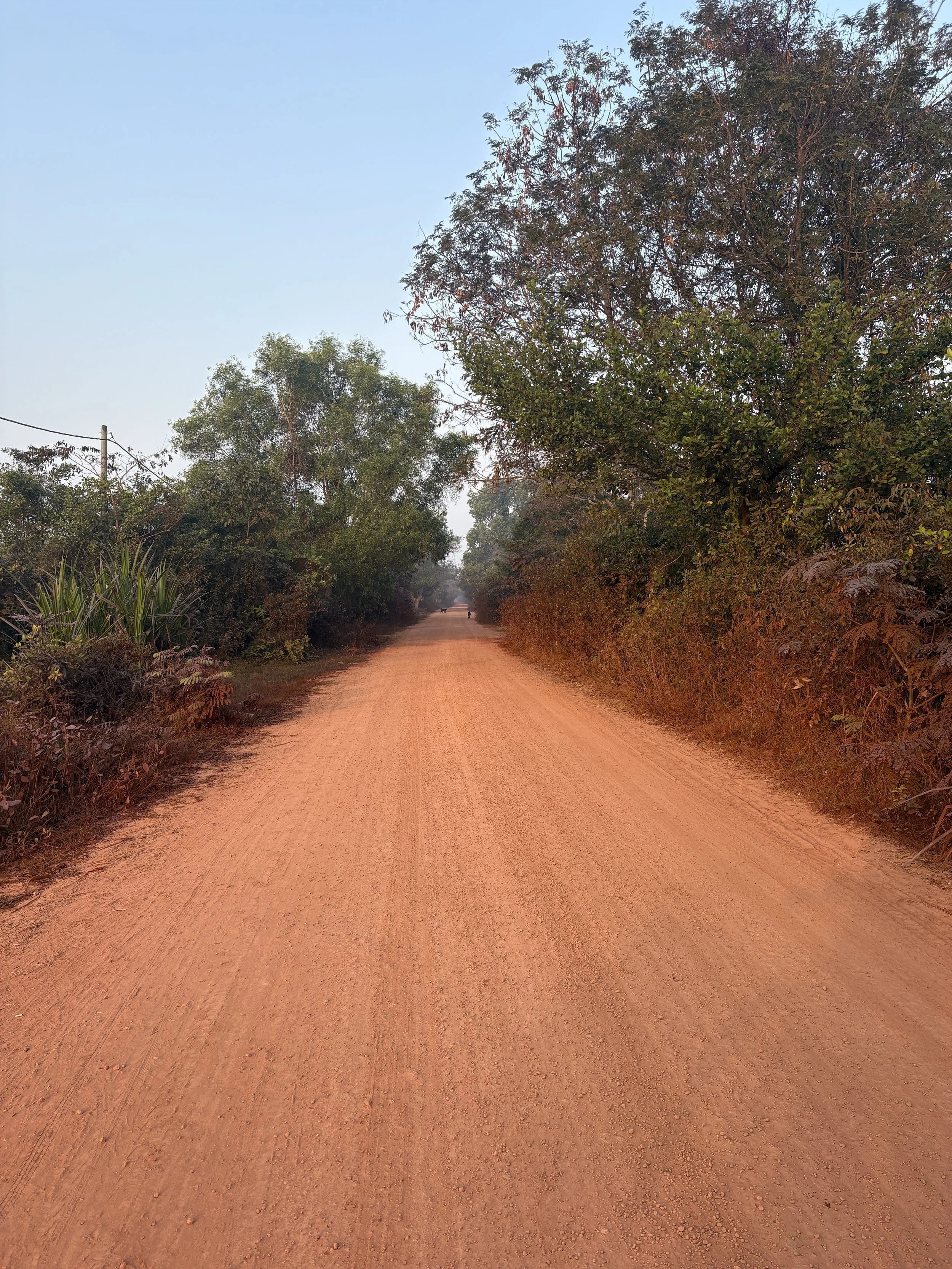
Here you lace up your shoes, step outside, and within minutes you're running along sandy paths where children pedal to school while others cook for their small restaurant or head to the fields. Behind you, water buffalo and Zebu cattle graze in the distance. And even more extraordinary, the spires of Angkor Wat emerge from the morning mist, immense trees towering over the canopy bathed in golden sky.
Siem Reap – Running Through the Temples
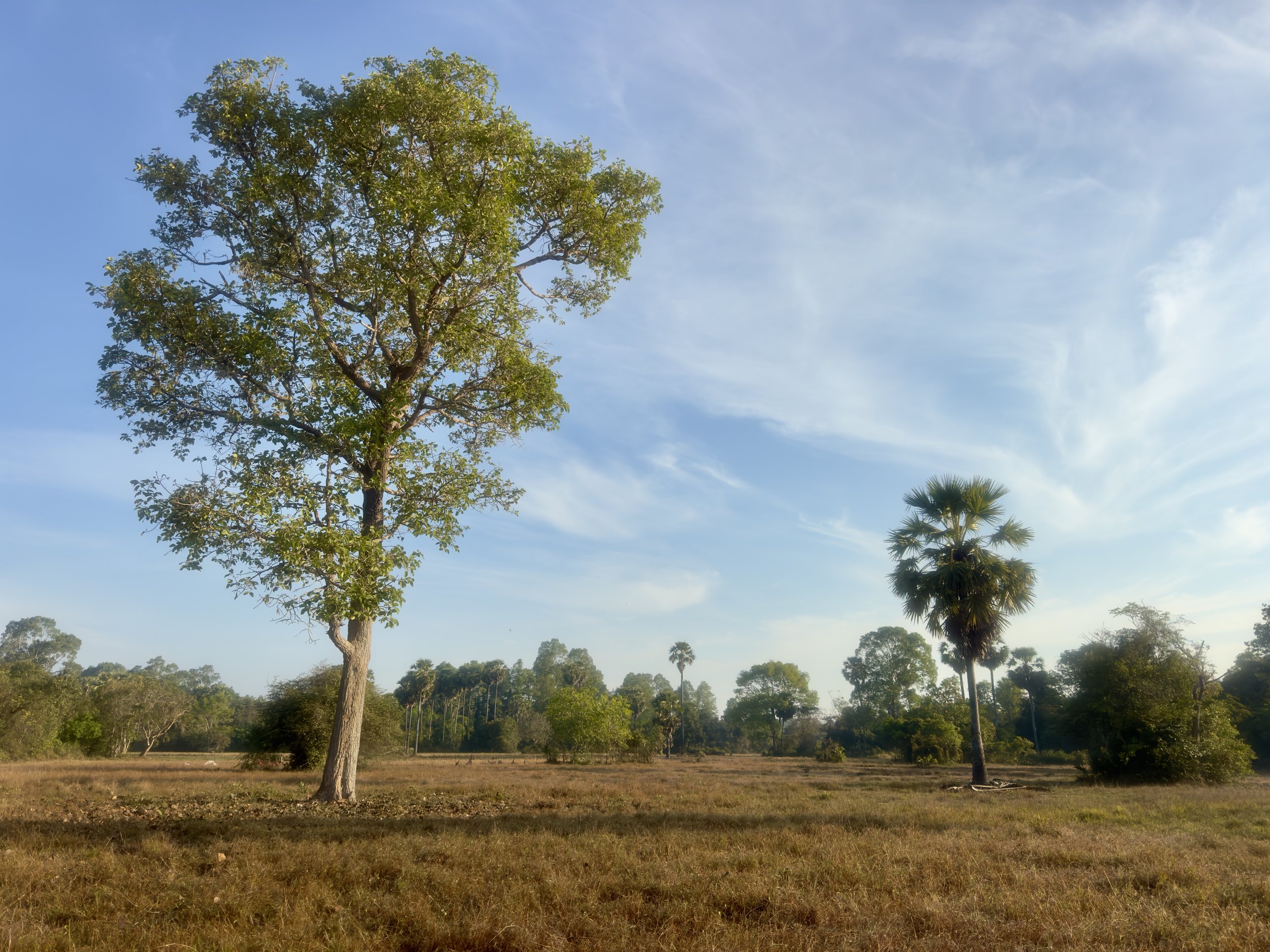
We spent several weeks exploring Siem Reap and the running surprised us. It's flat; remarkably flat. No mountains, no technical terrain. But what's missing in vertical is made up for in atmosphere. Running here means weaving through rice paddies at dawn, passing ancient temple ruins, and watching village life unfold in a way no tuk-tuk tour can offer.
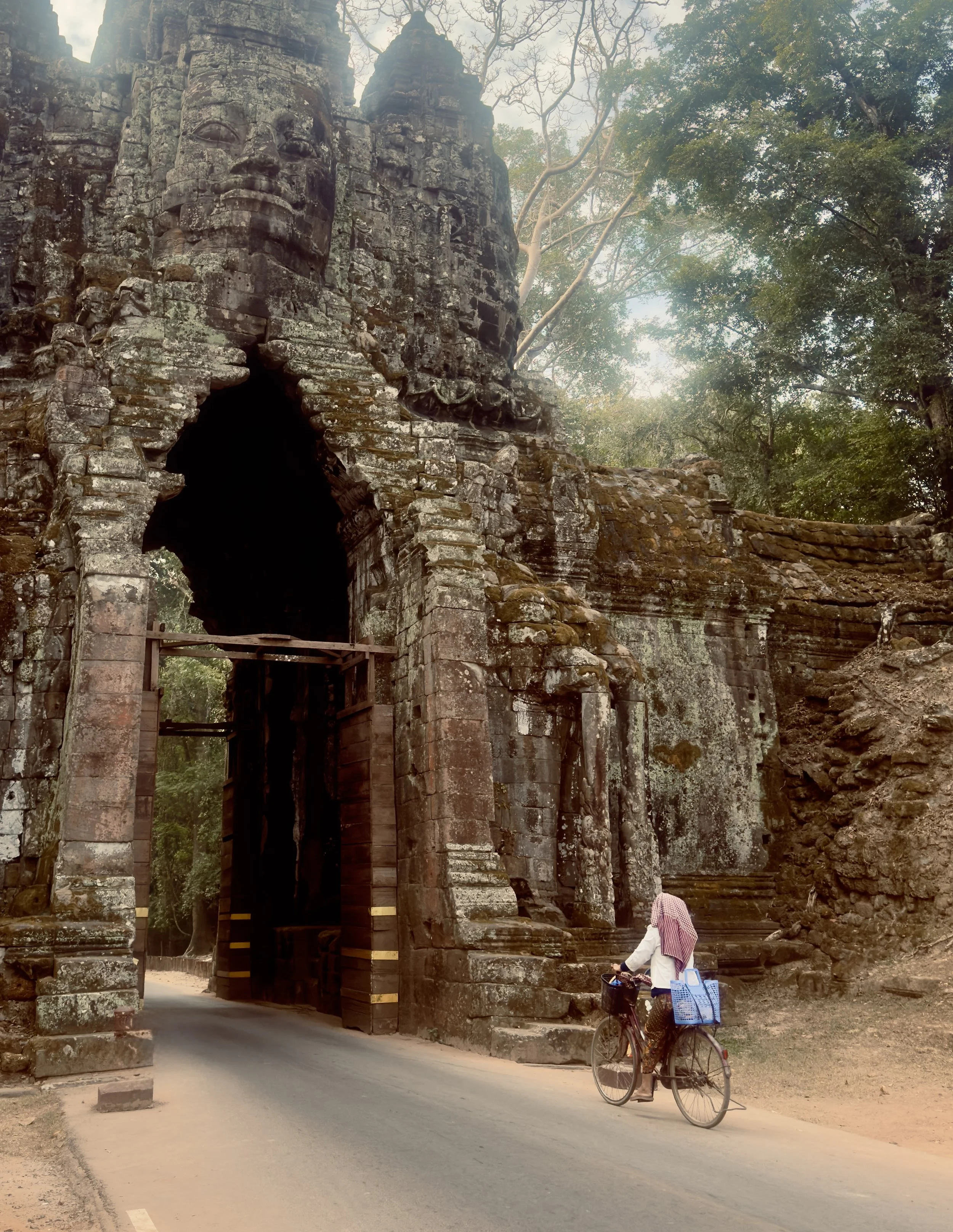
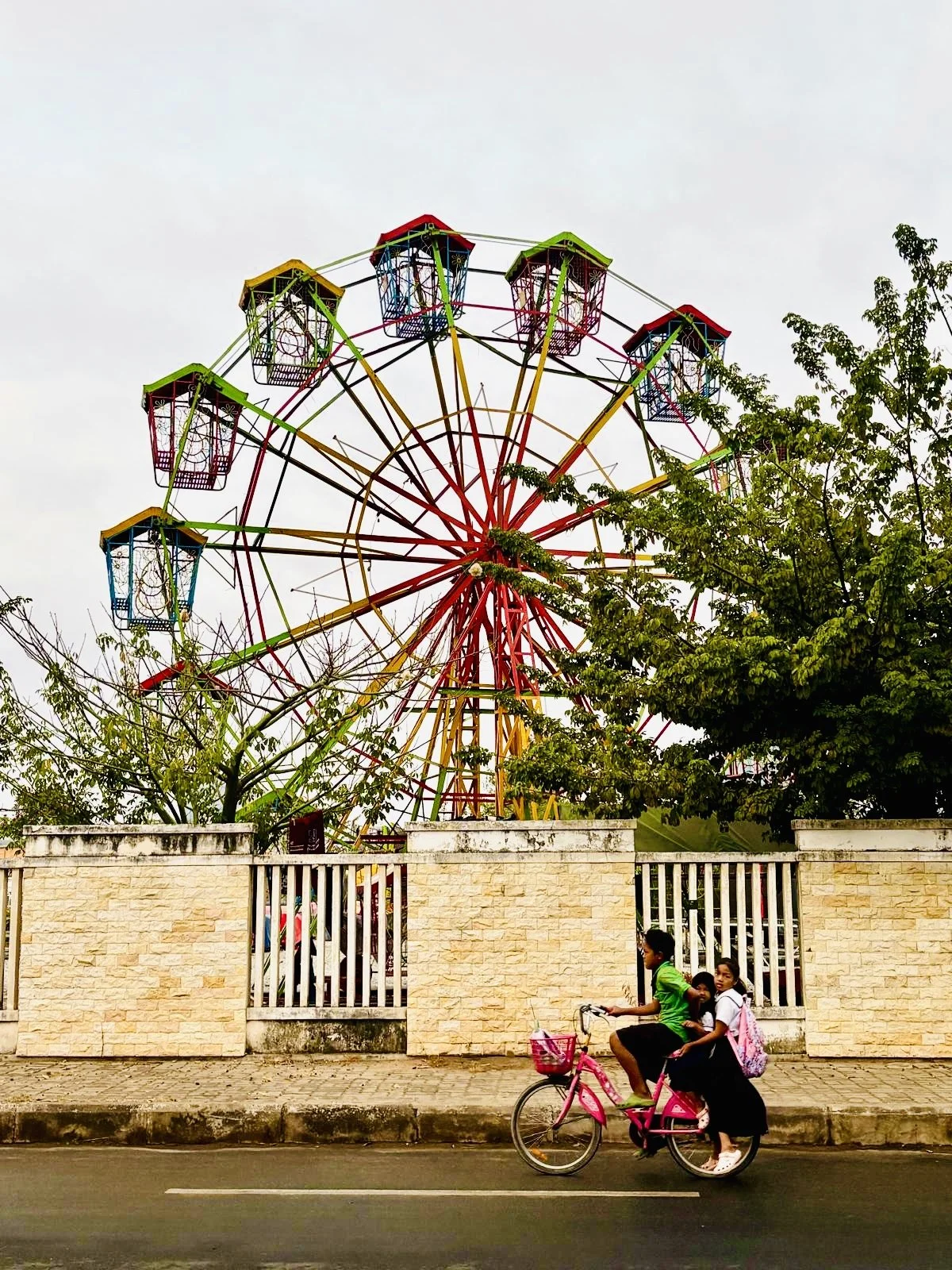
Starting early makes all the difference! The heat rises fast and early mornings let you avoid the dense, all-directions traffic: motos carrying four or five passengers, tuk-tuks, buses, stray dogs, kids at the handlebars and grandma on her bike, all on the same road. But most importantly, starting early means witnessing one of the most beautiful sunrises (did we mention they're the most beautiful? Ok fine, we'll stop with that!)
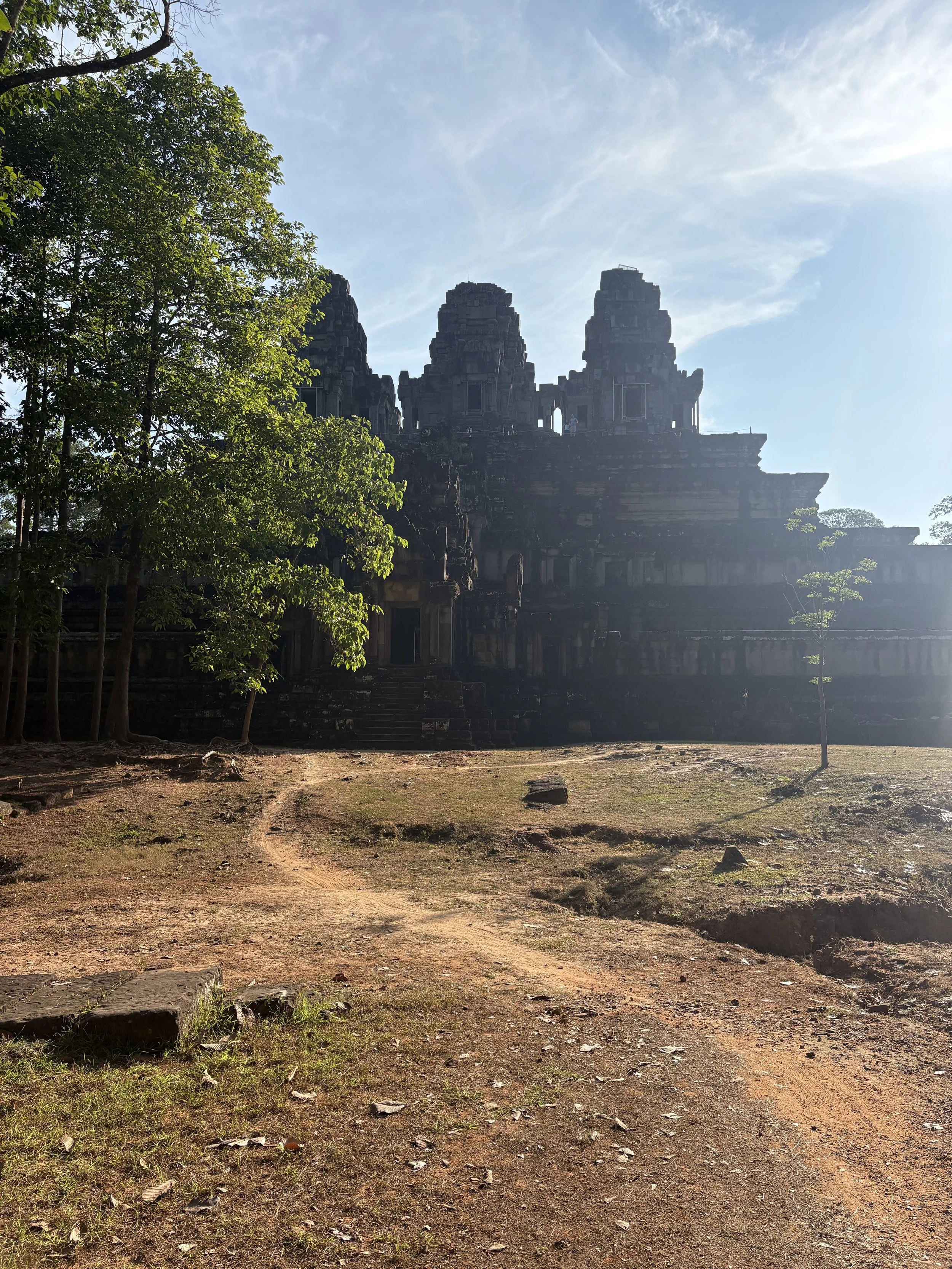
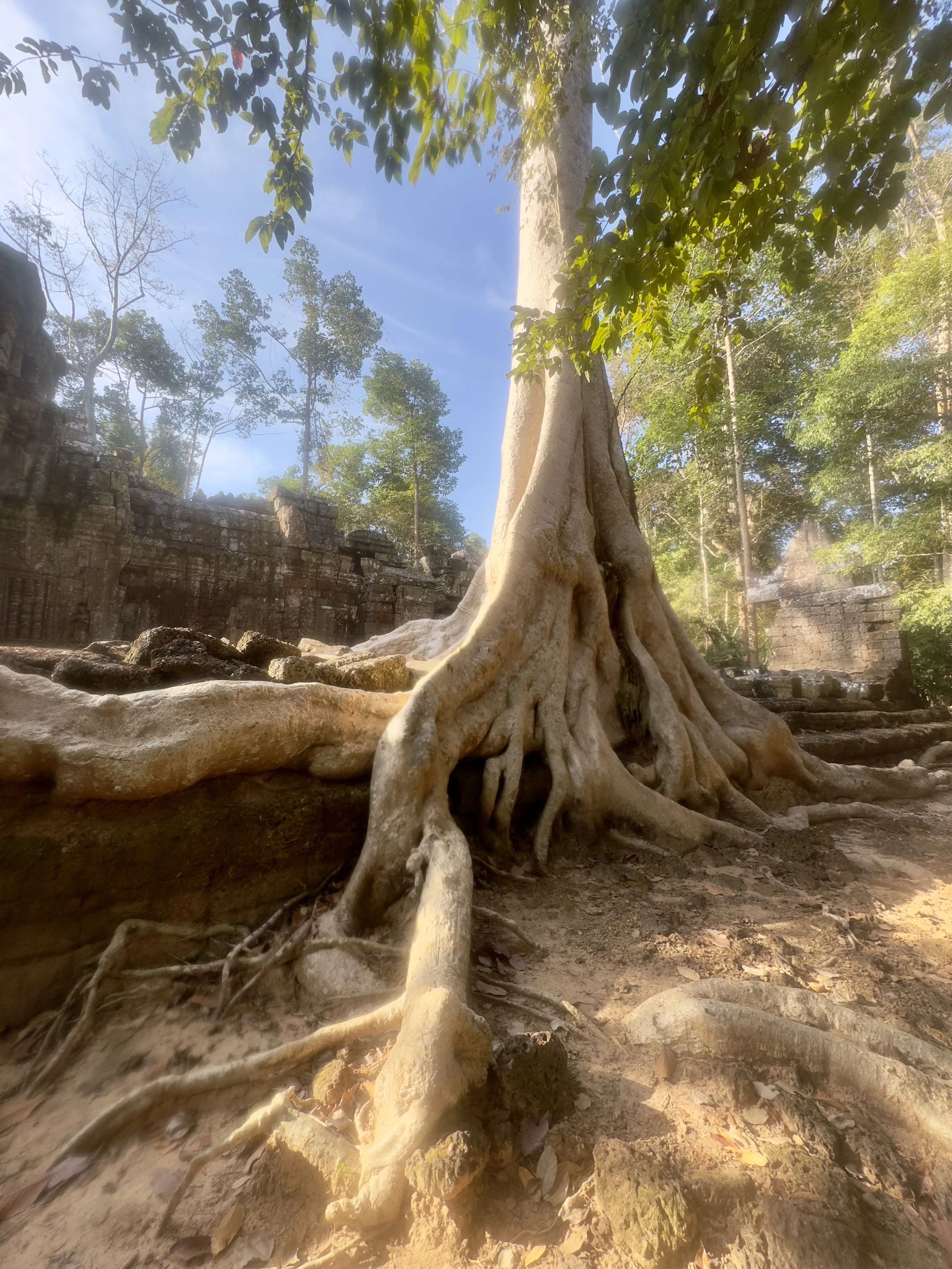
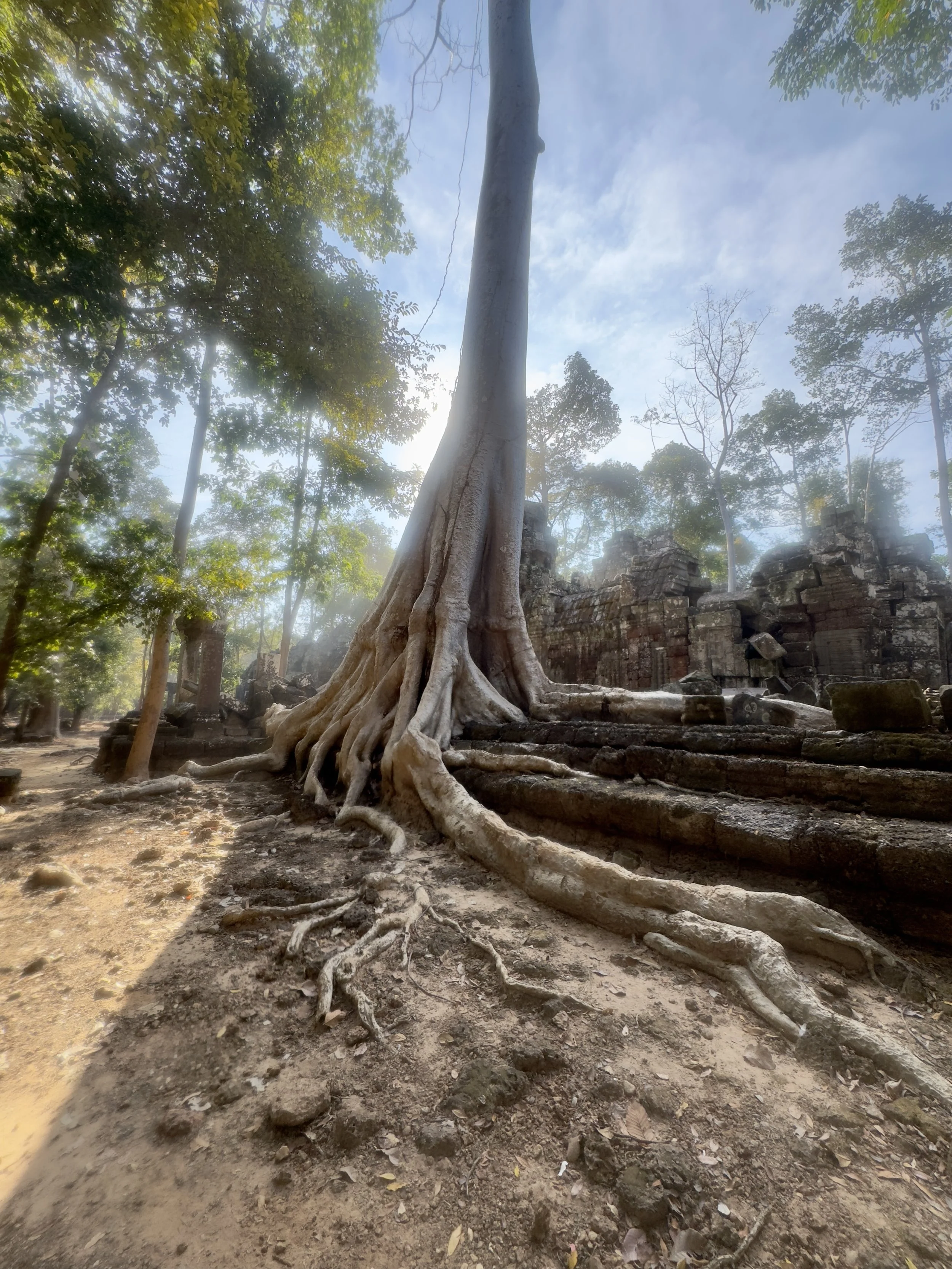
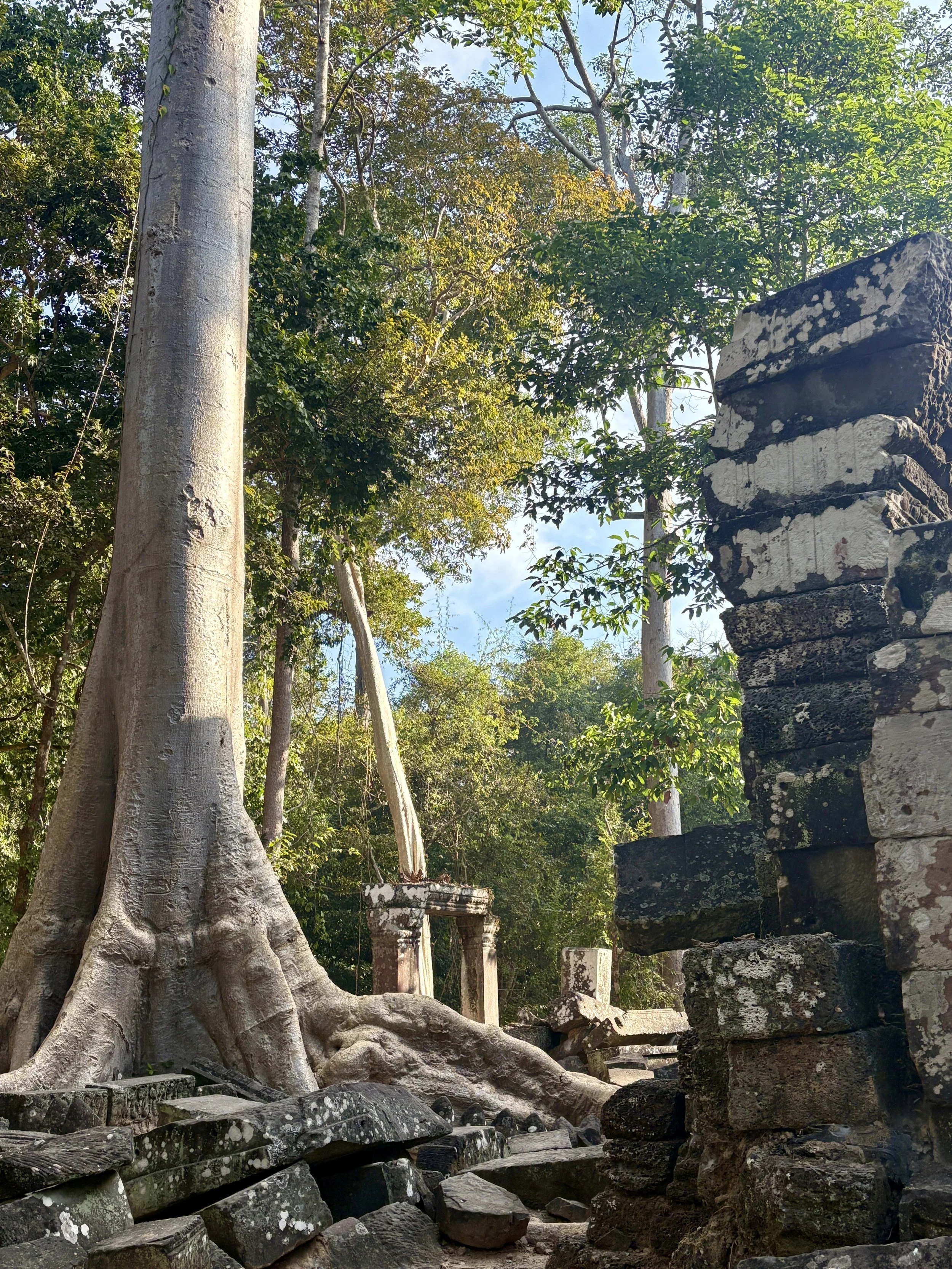
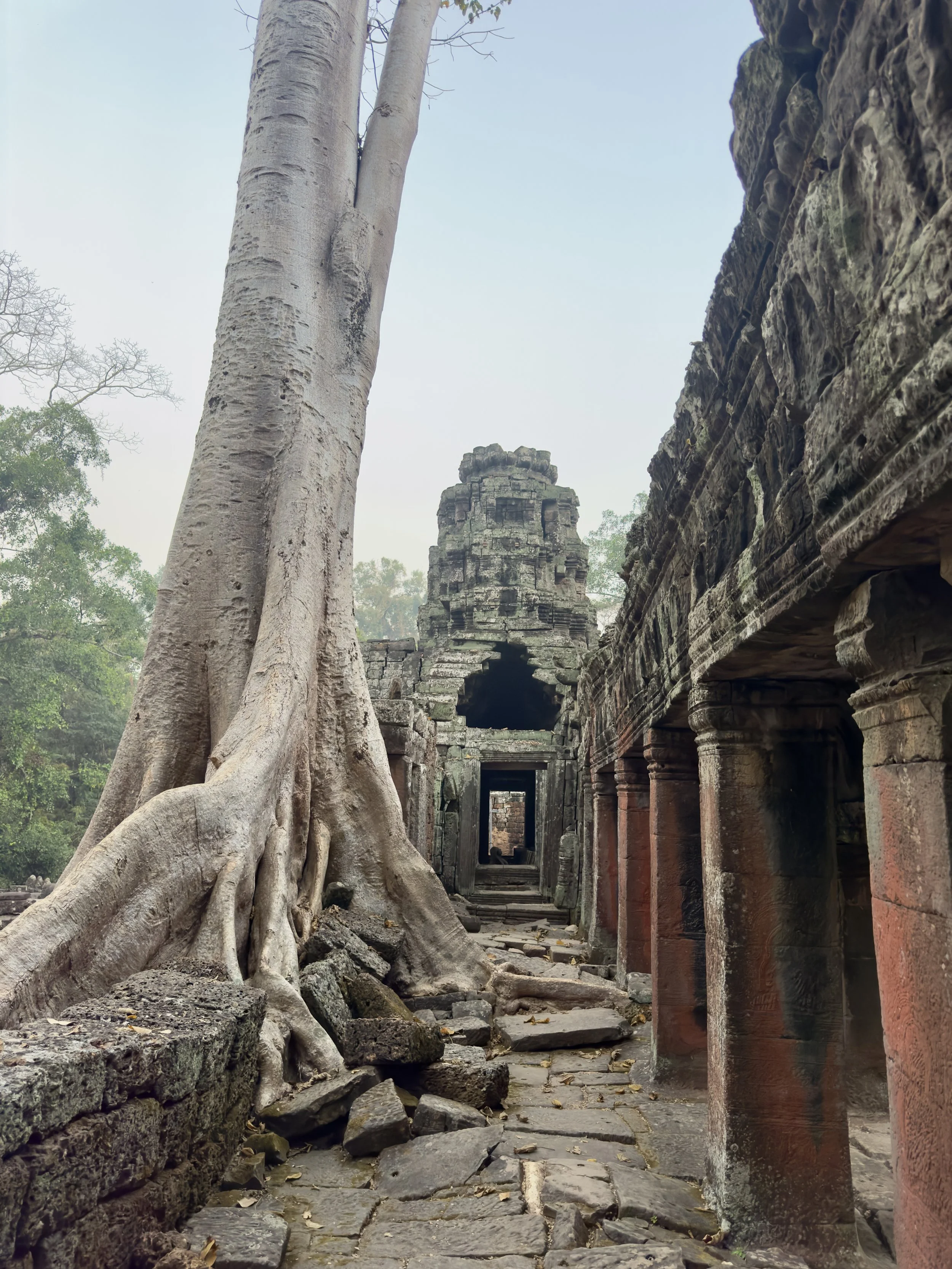
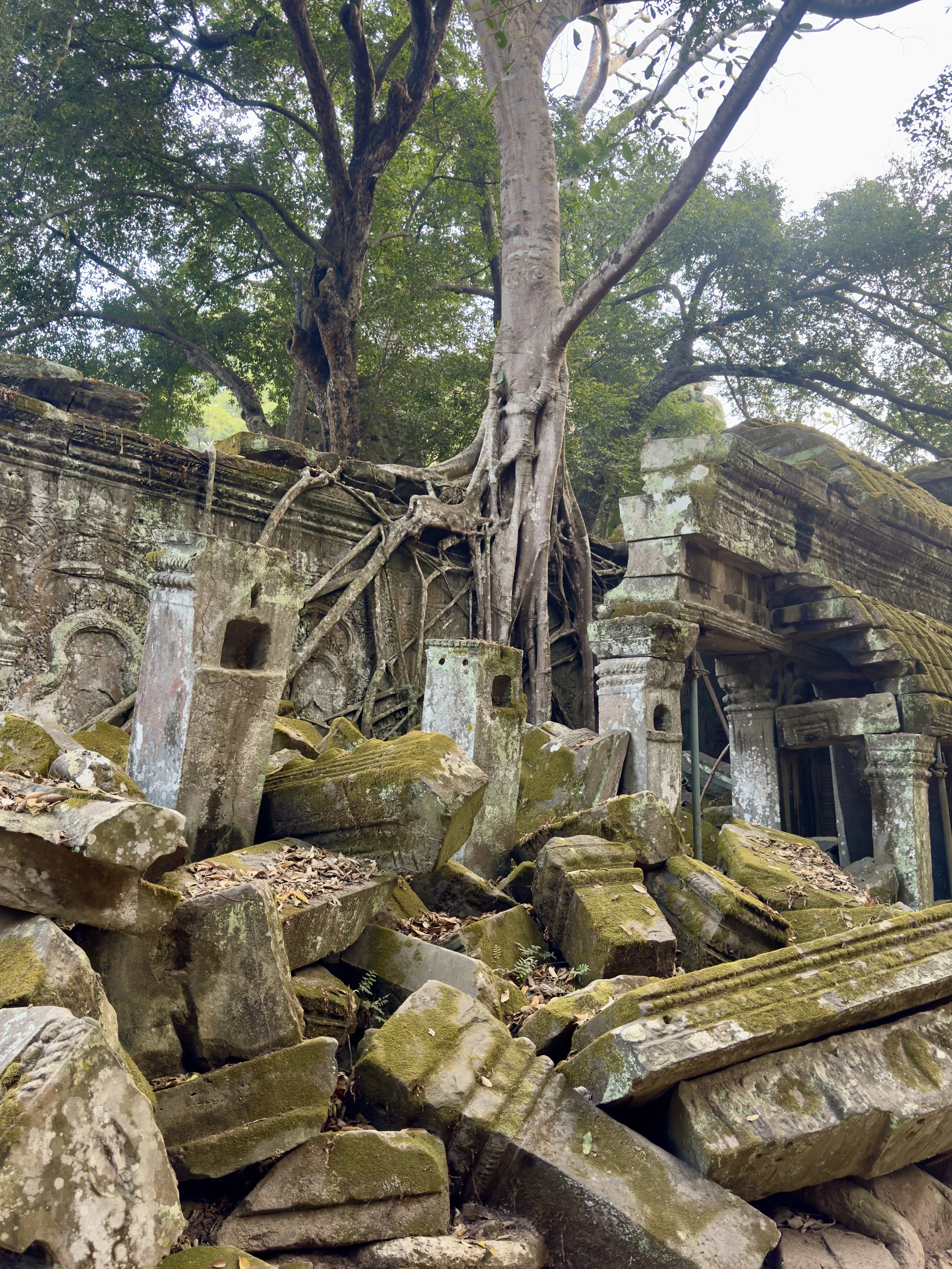
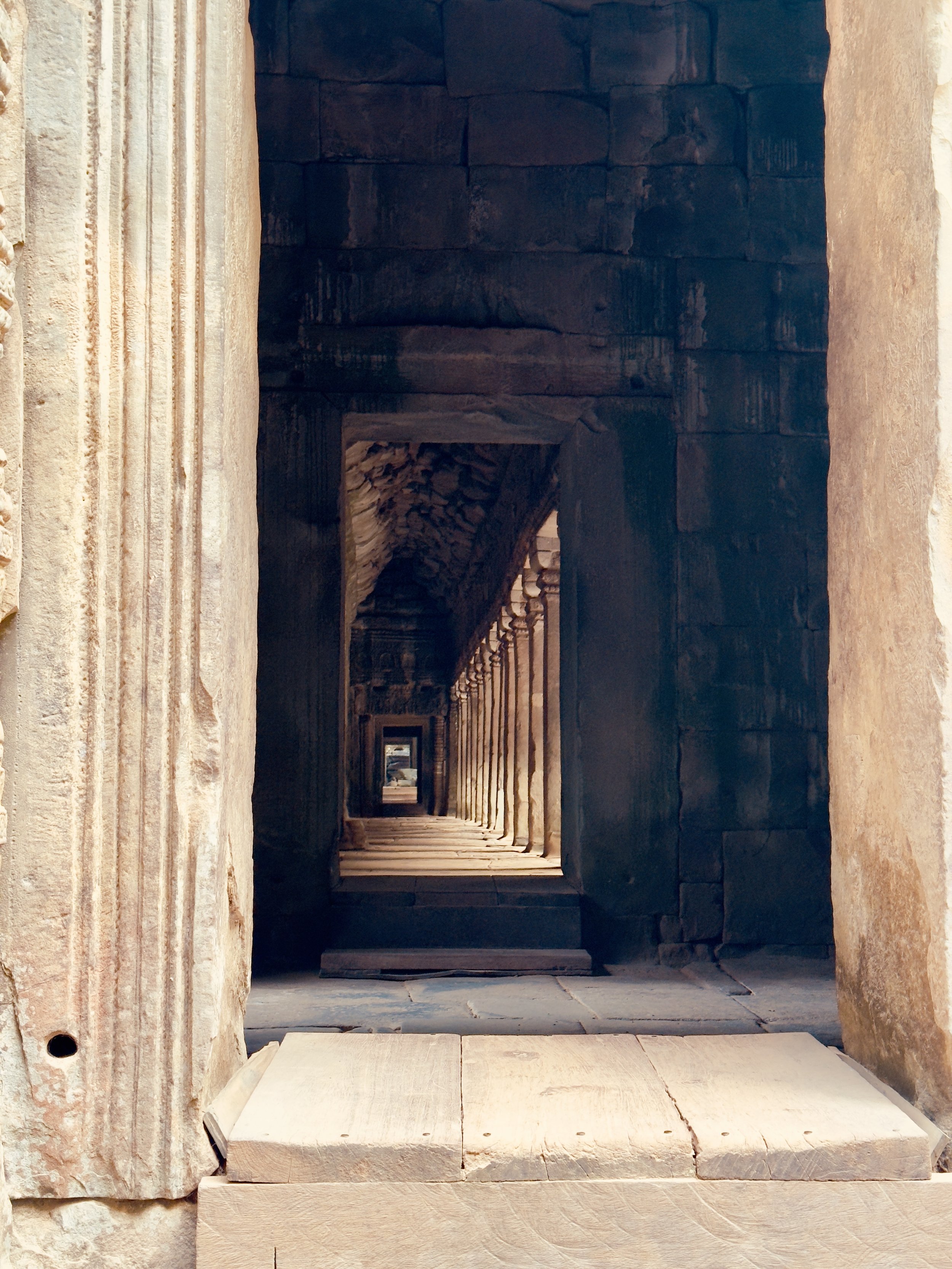
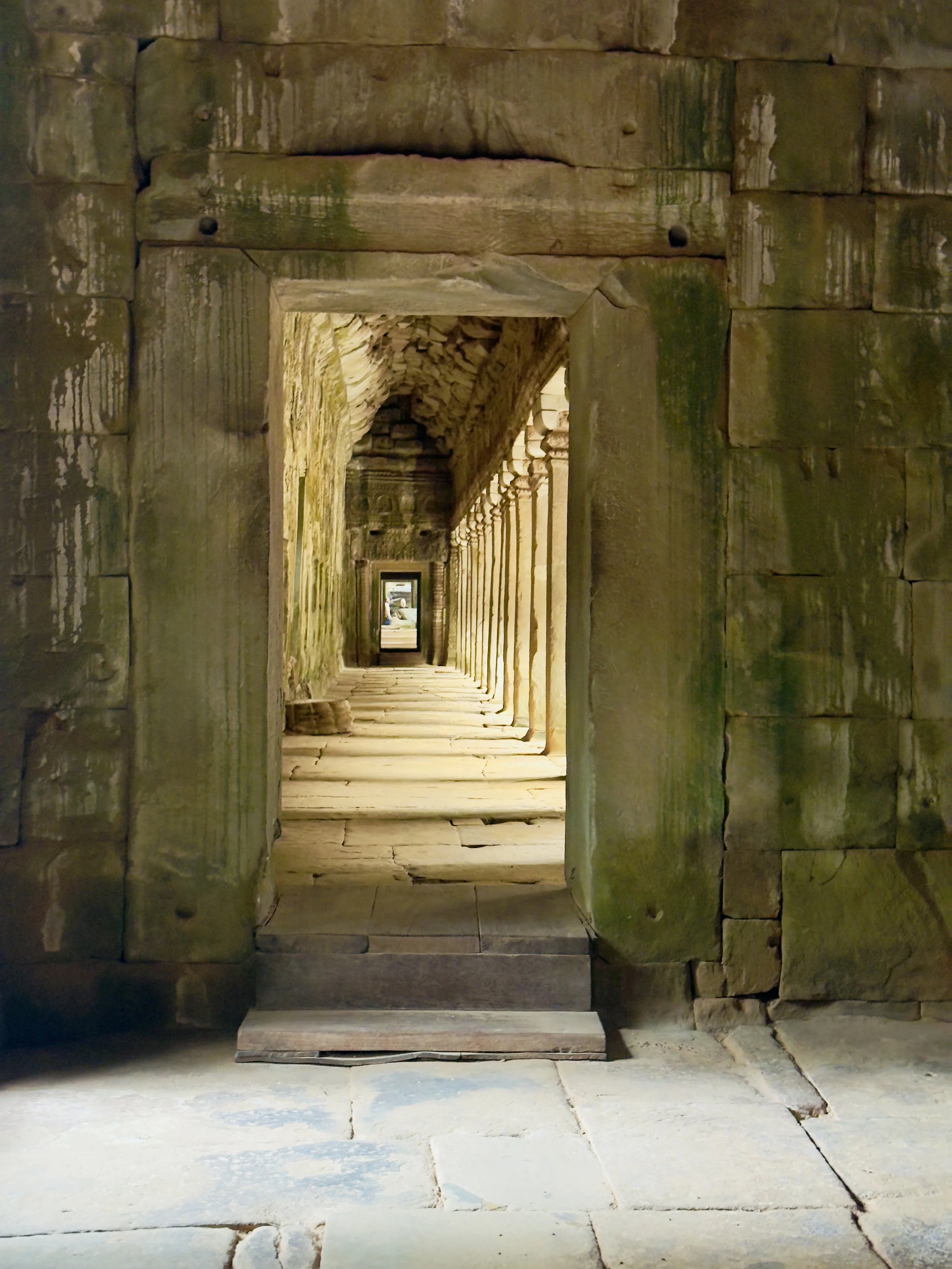
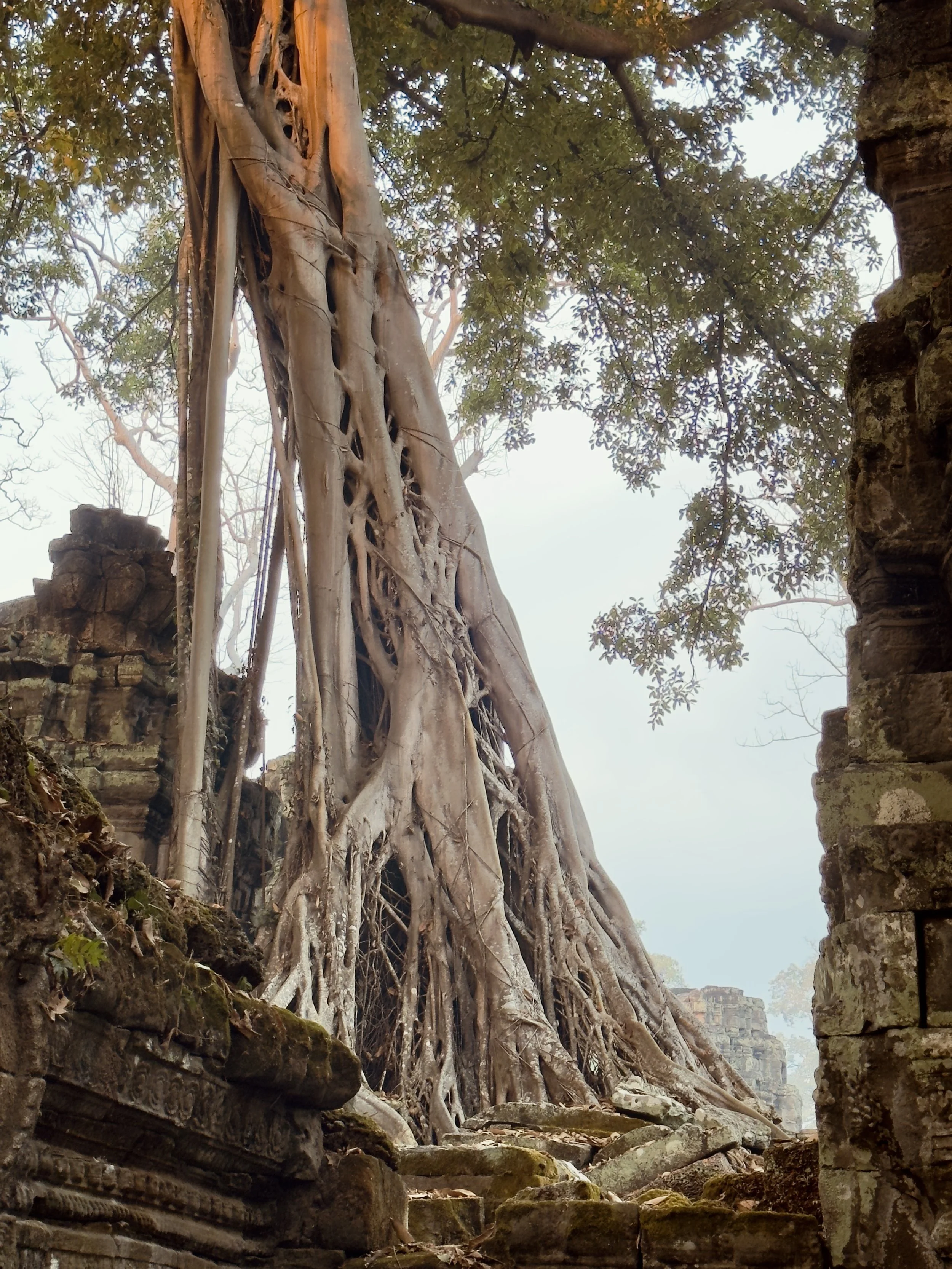
Angkor Archaeological Park
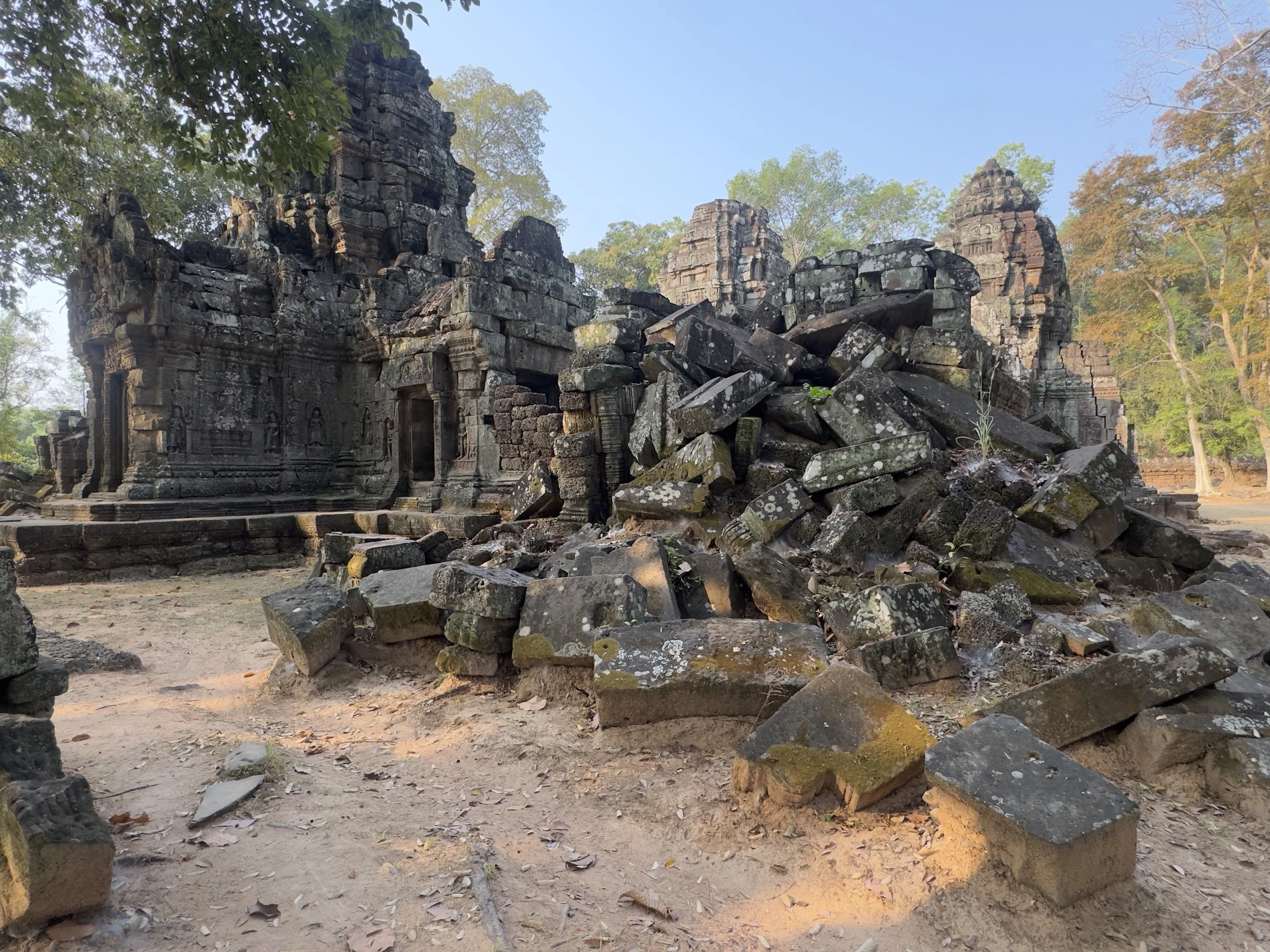
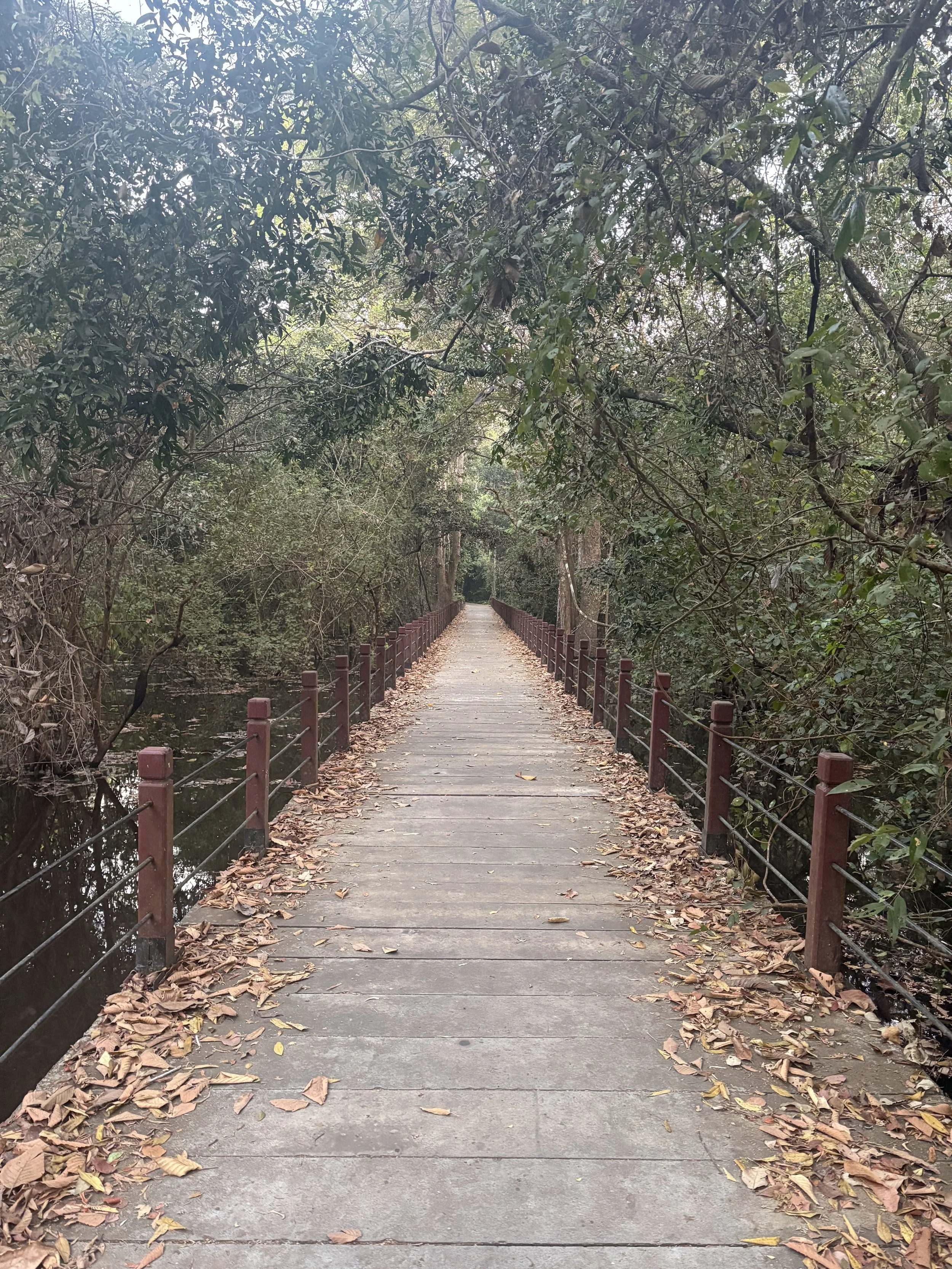
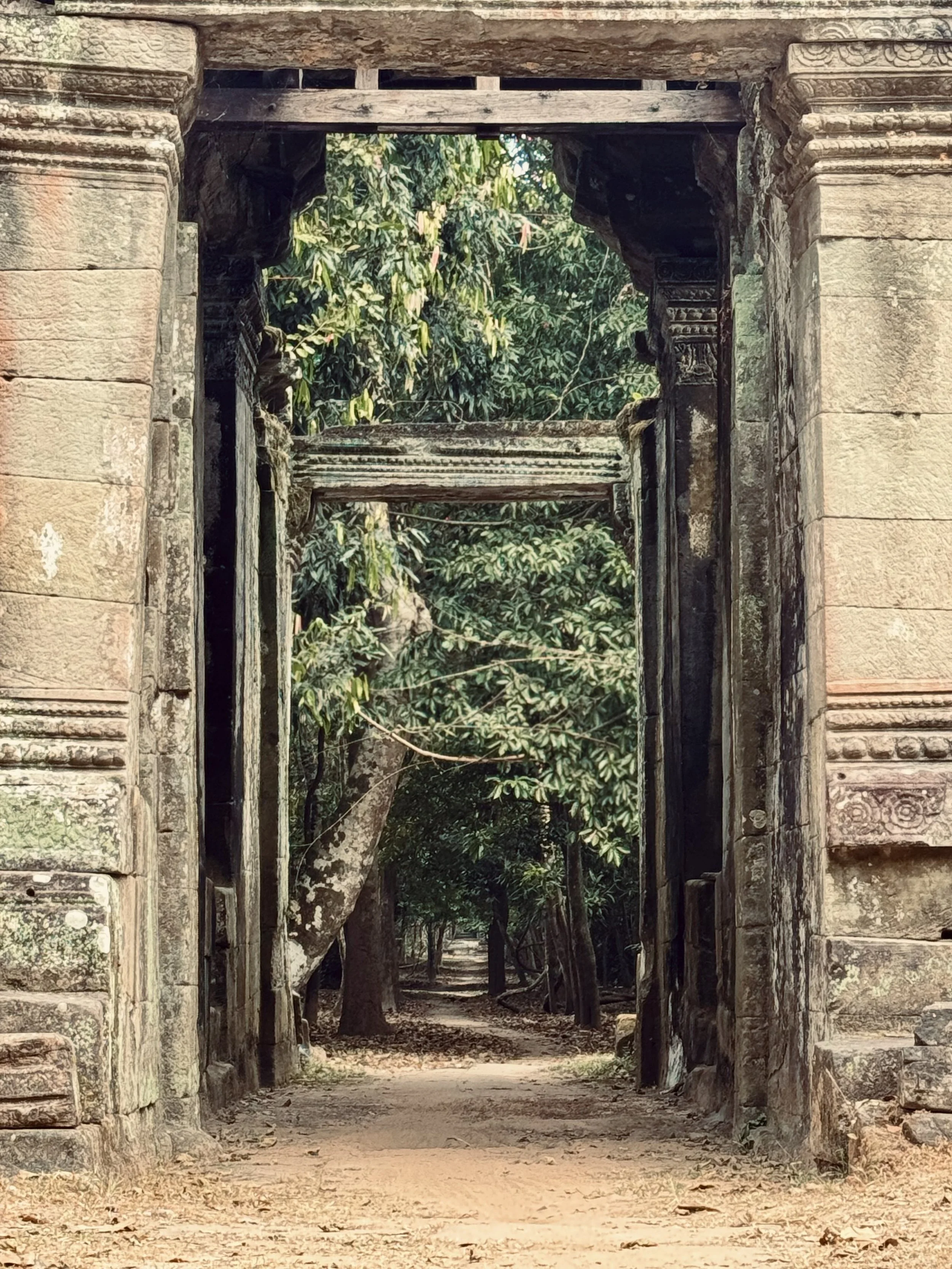
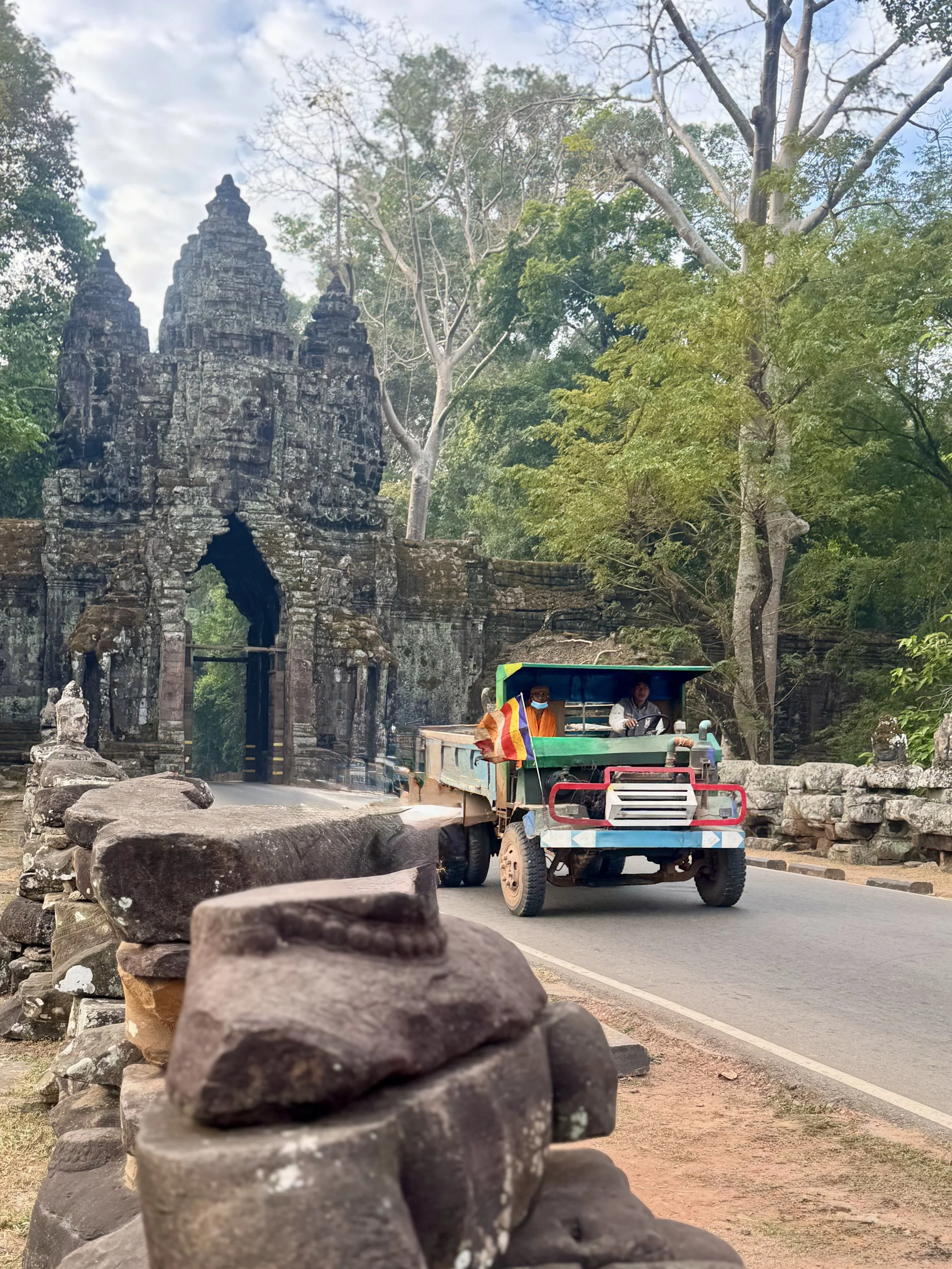
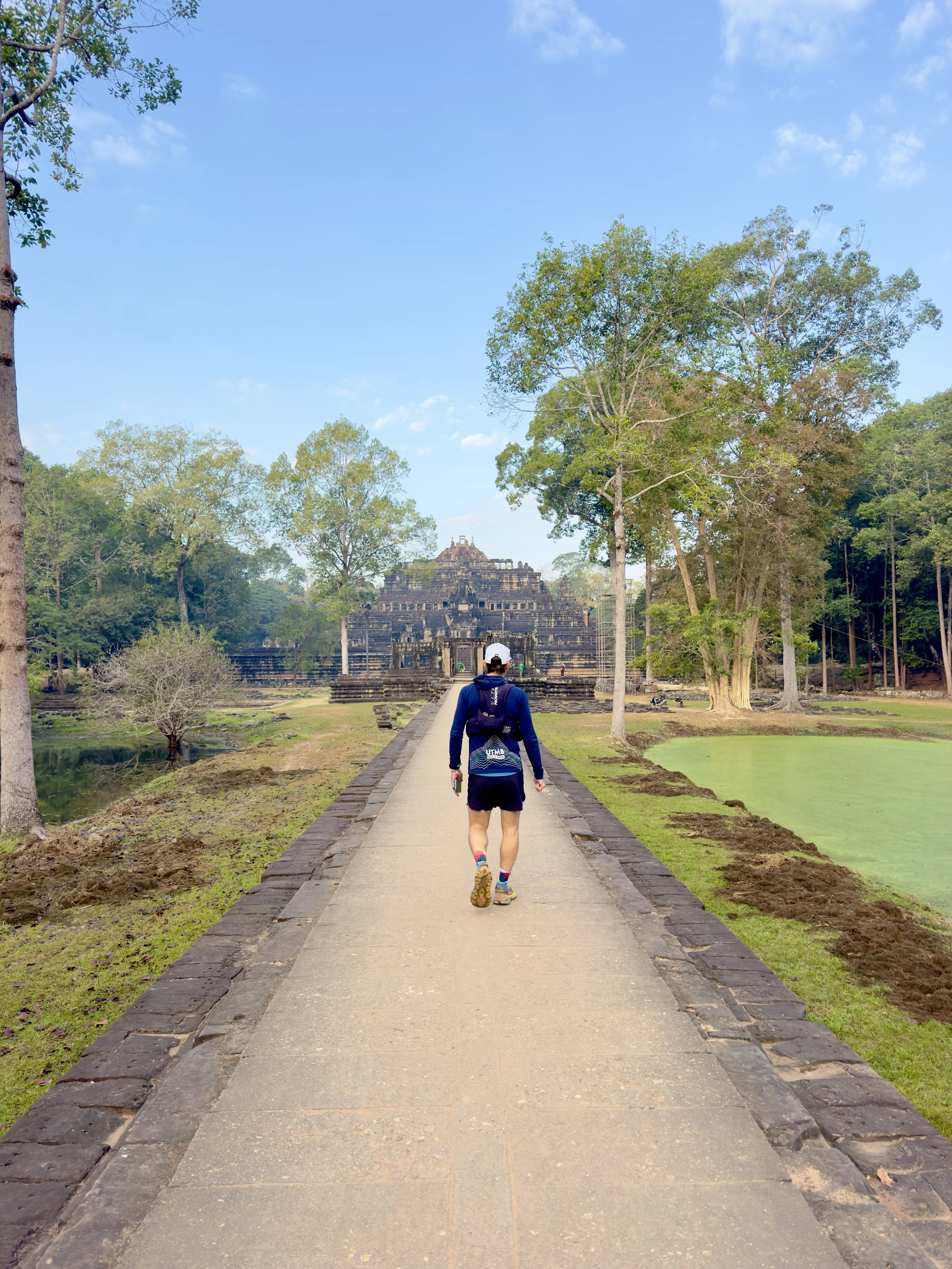
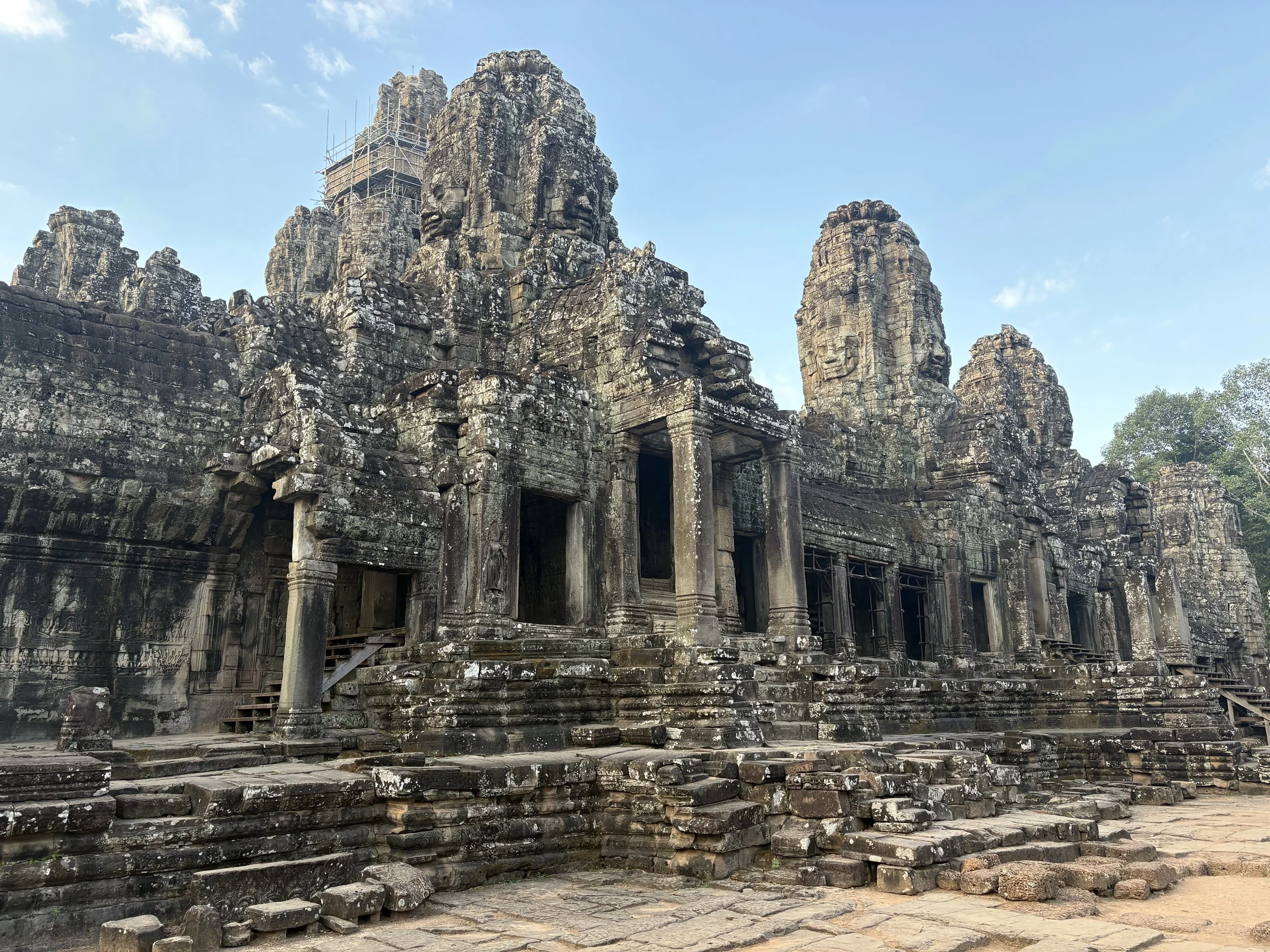
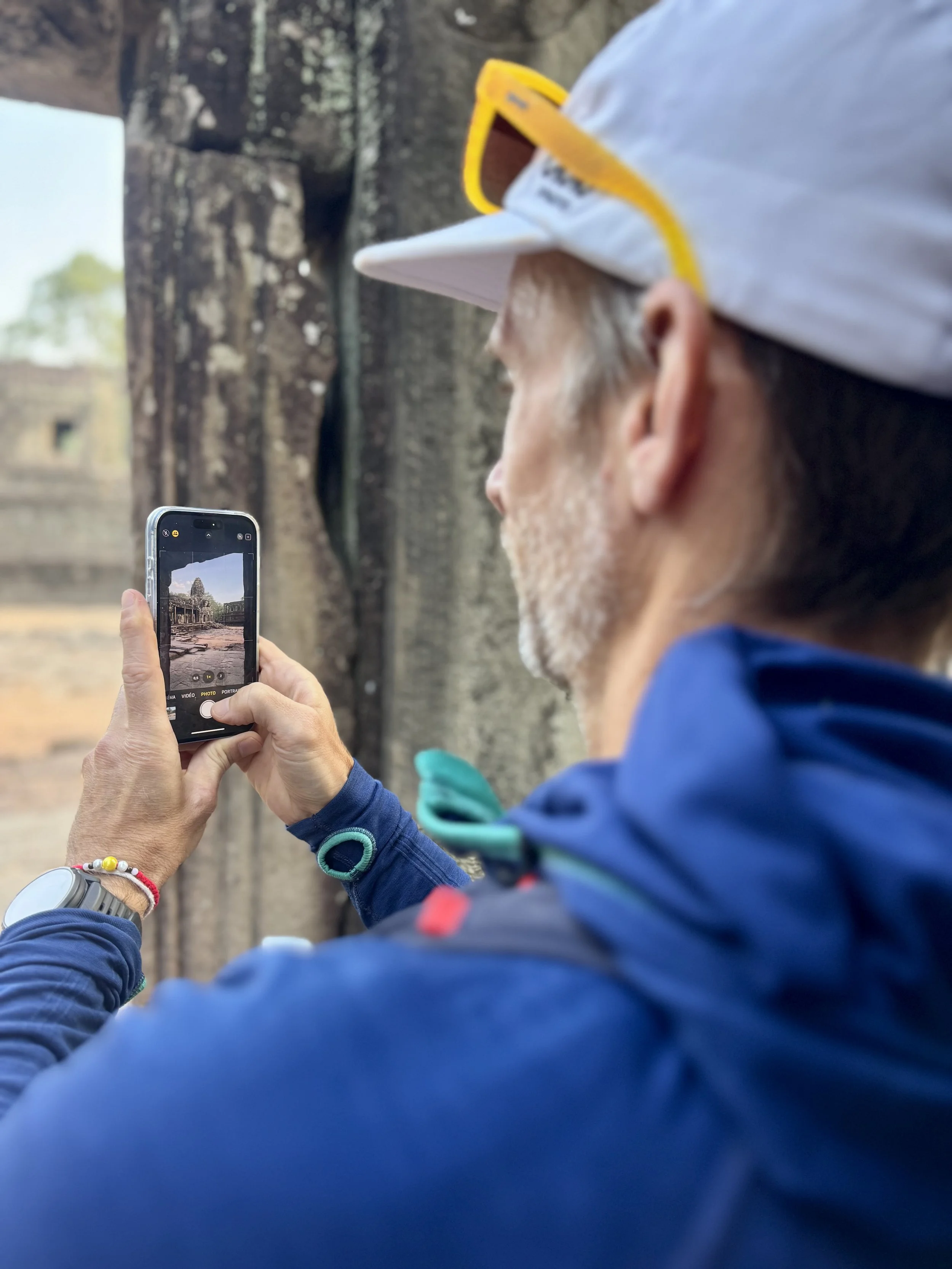
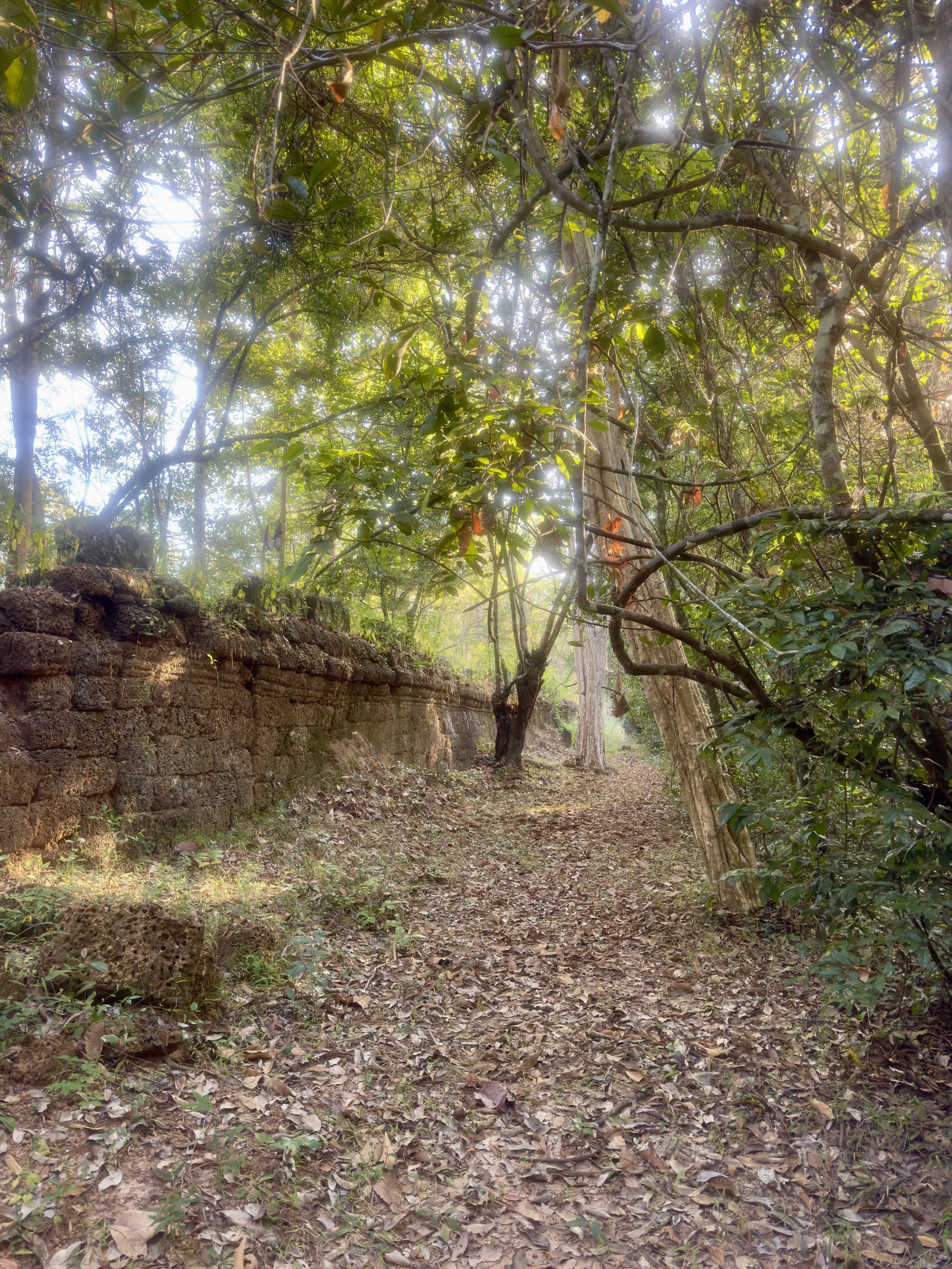
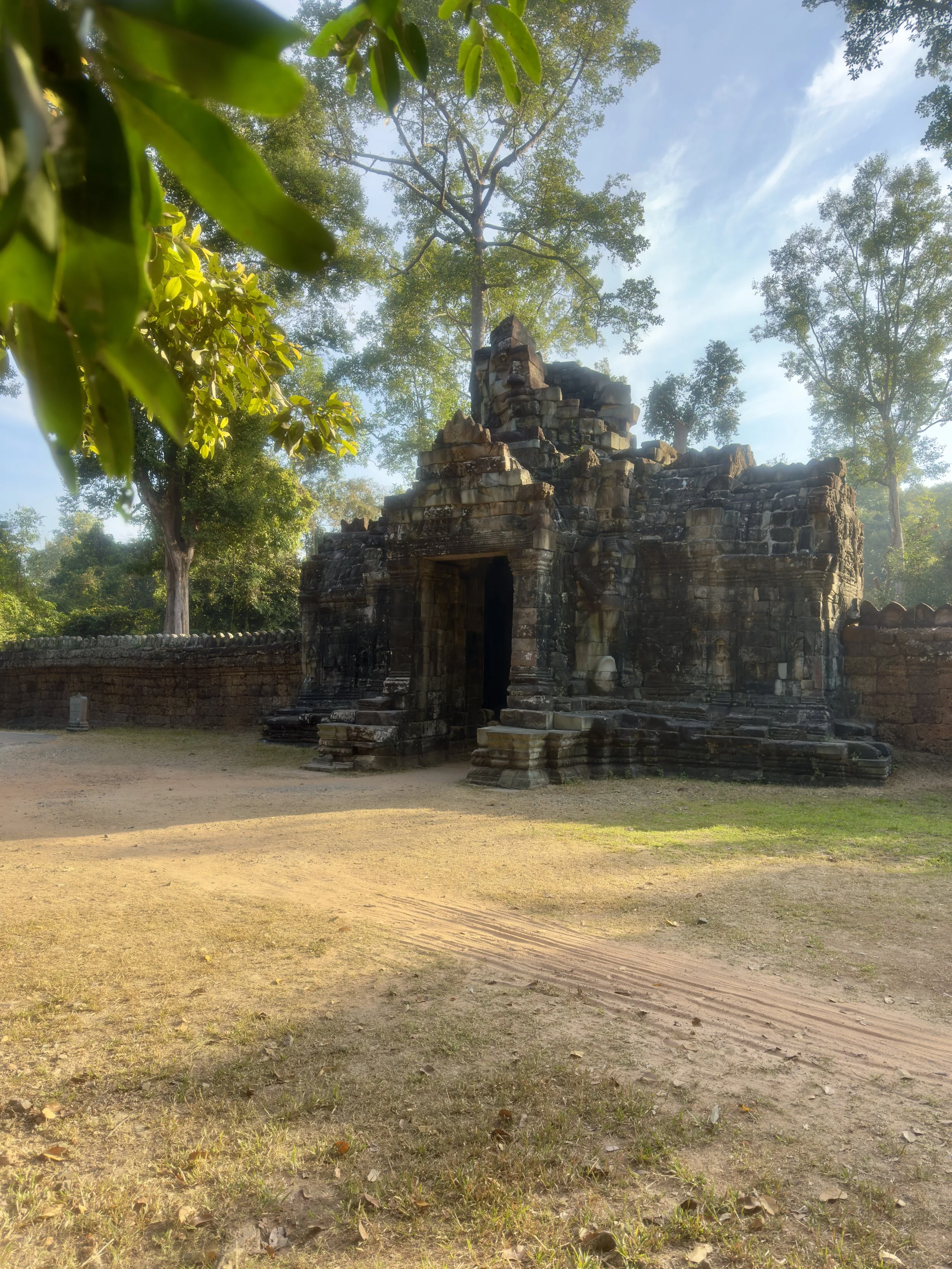
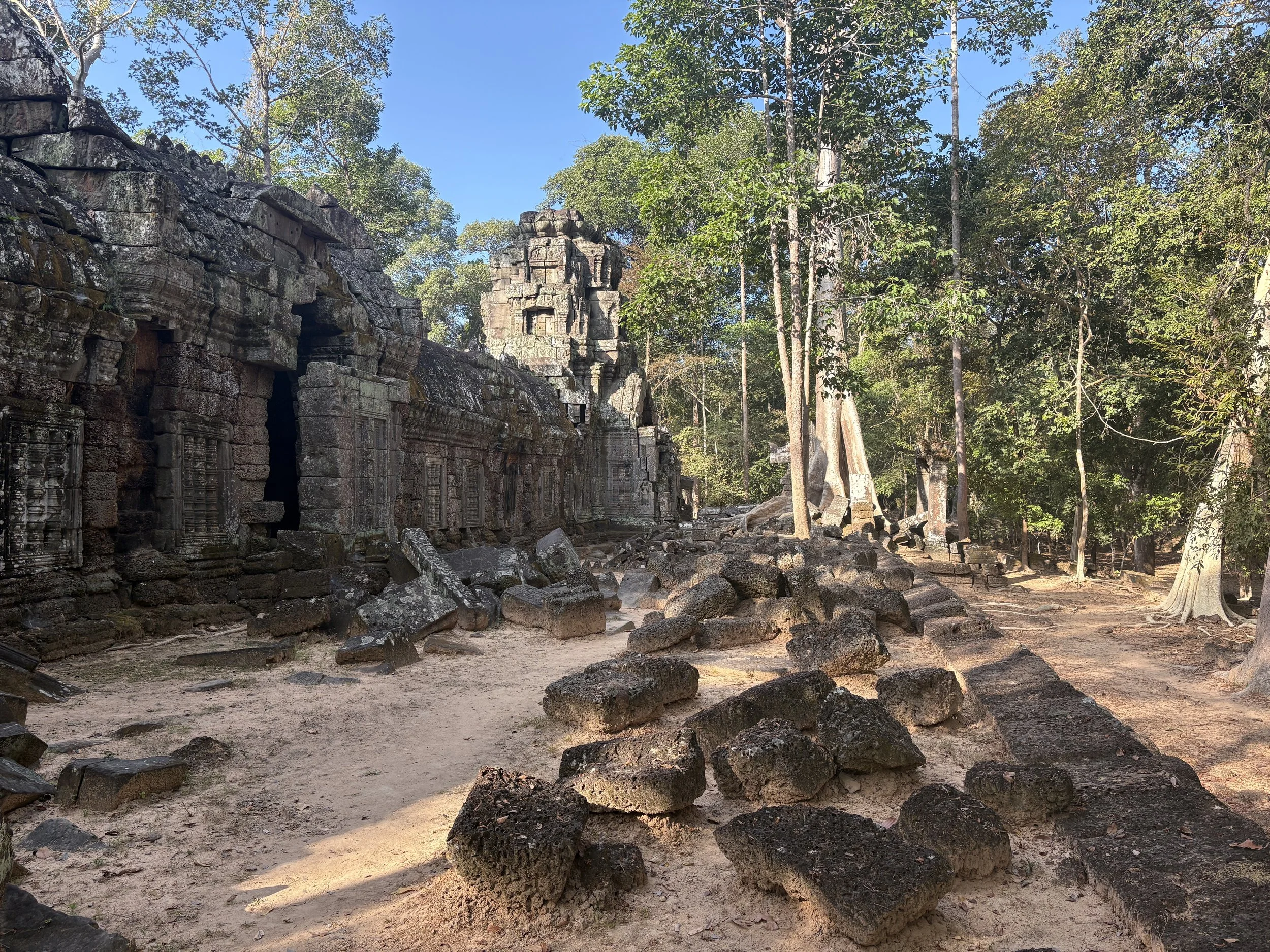
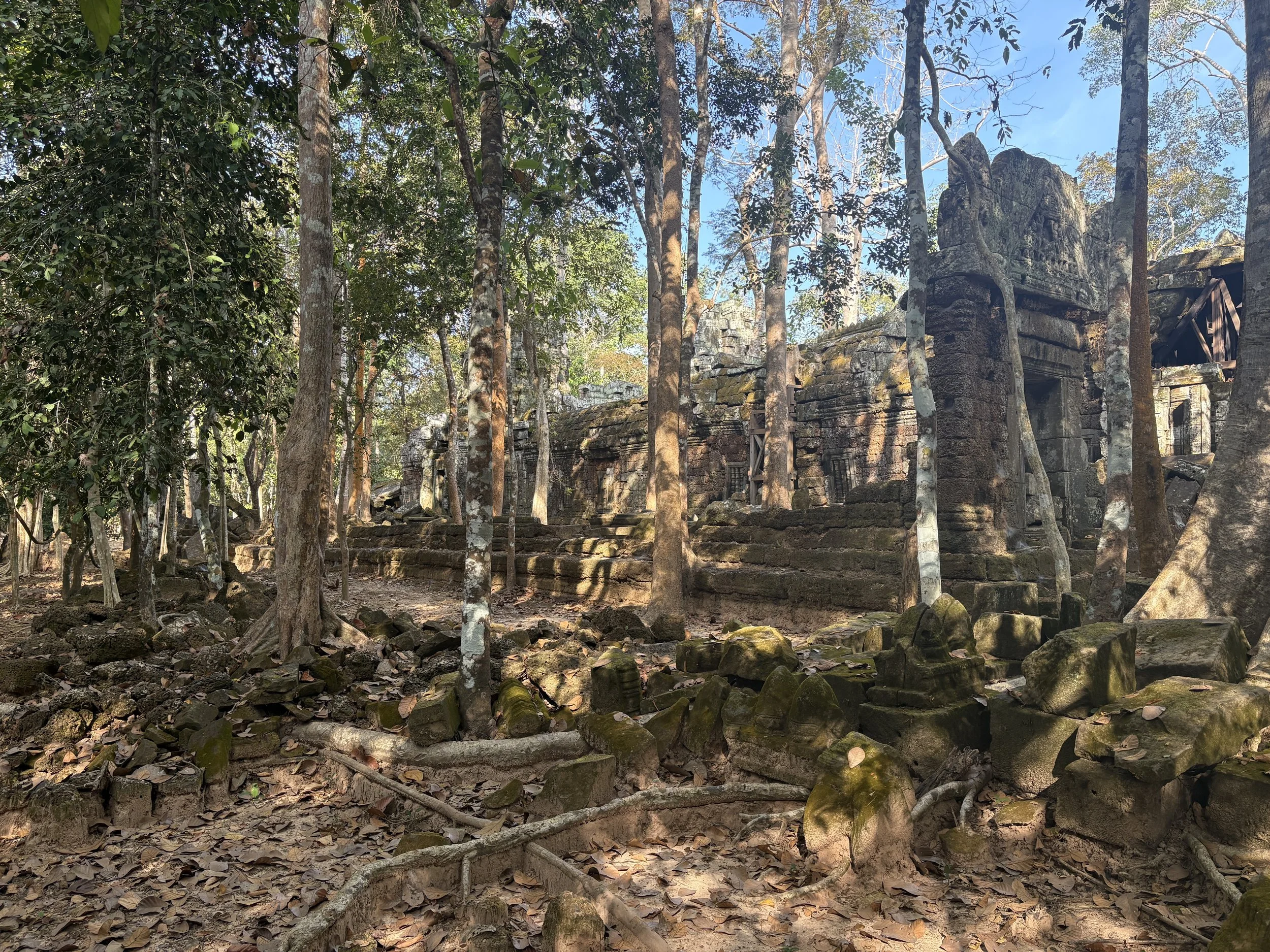
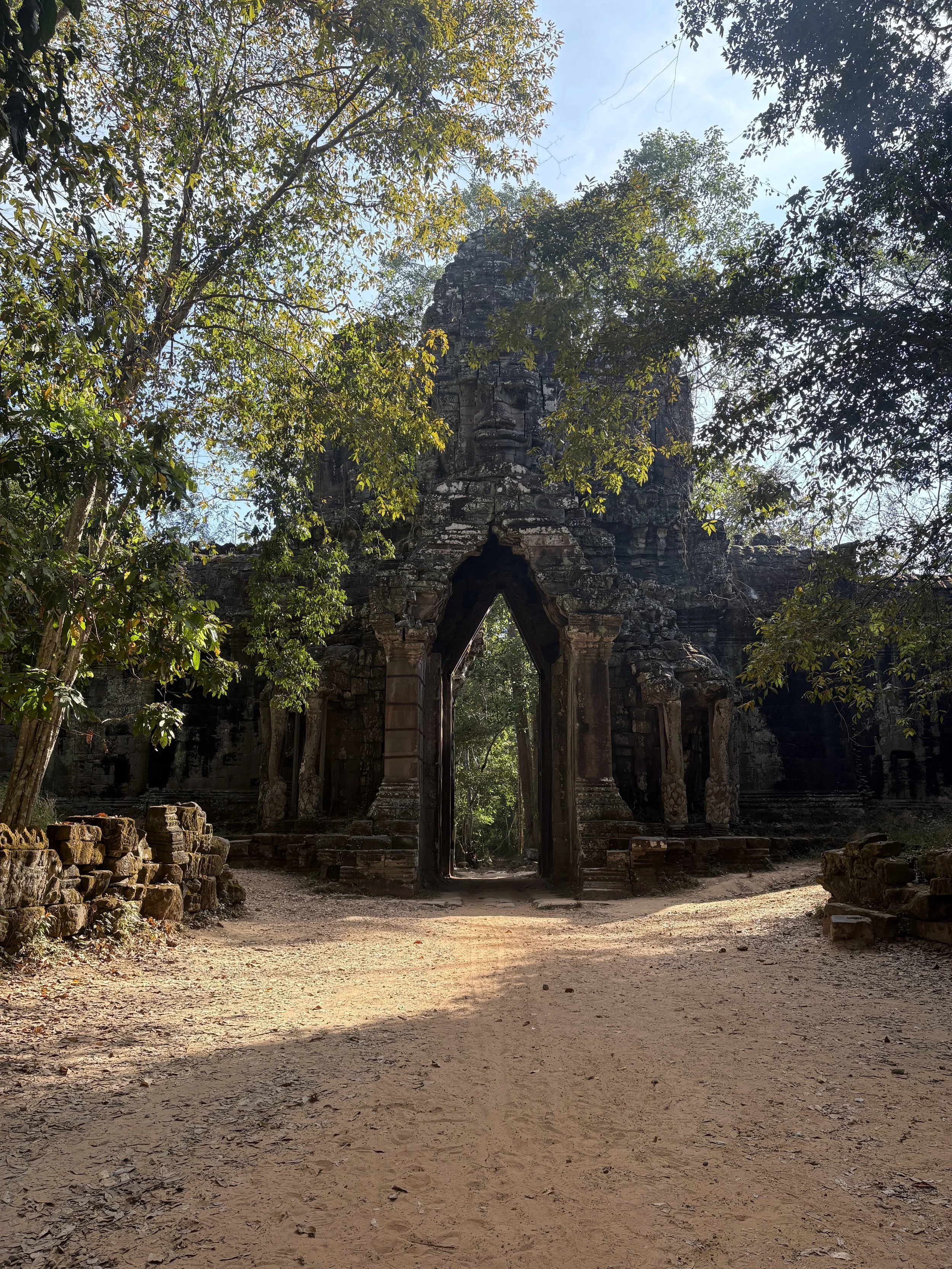
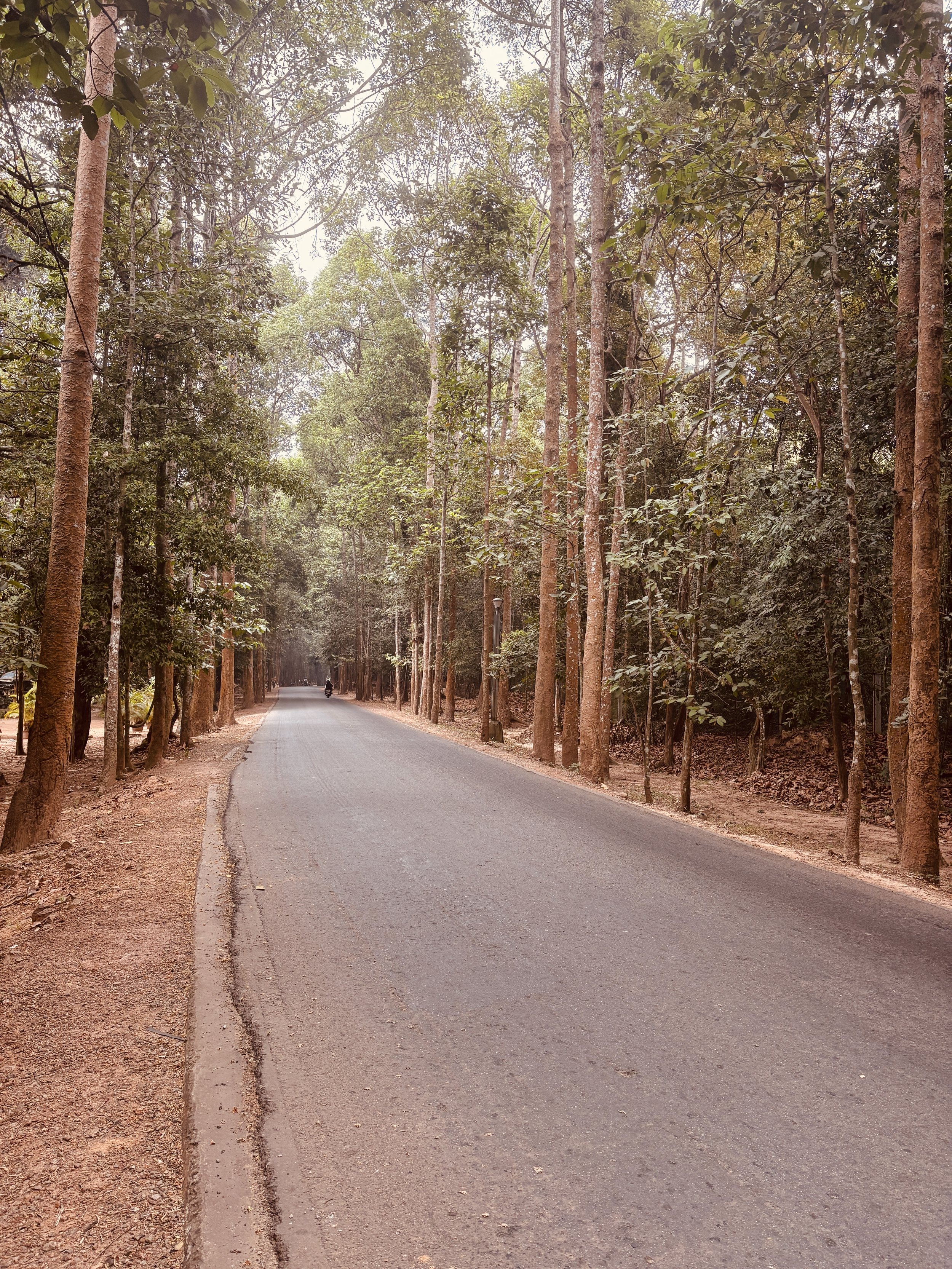
The crown jewel of running in Siem Reap is undeniably the Angkor Archaeological Park. This UNESCO World Heritage site spans over 400 square kilometers, and while most visitors explore by tuk-tuk or bicycle, we found that running offers something different: intimacy.
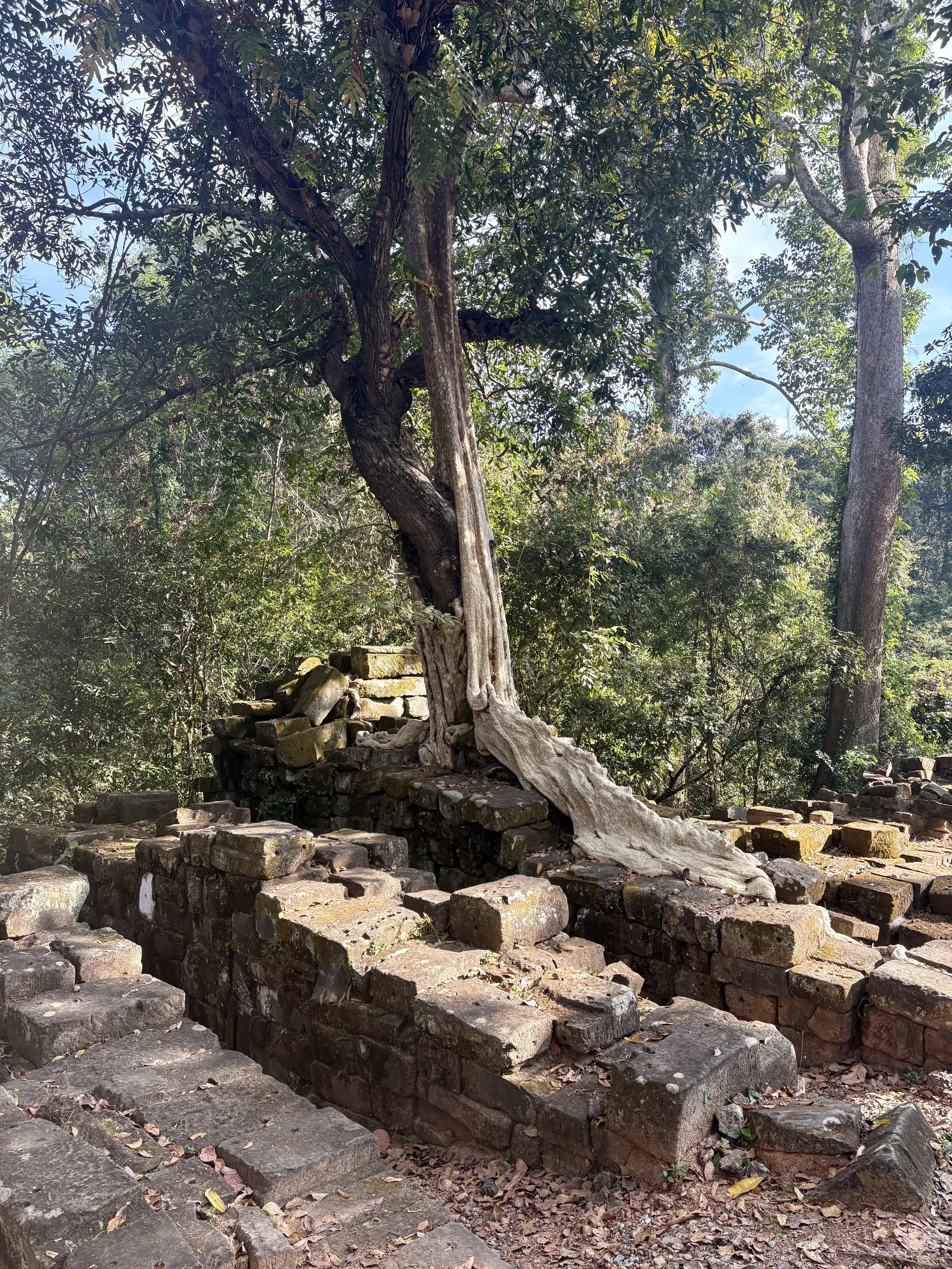
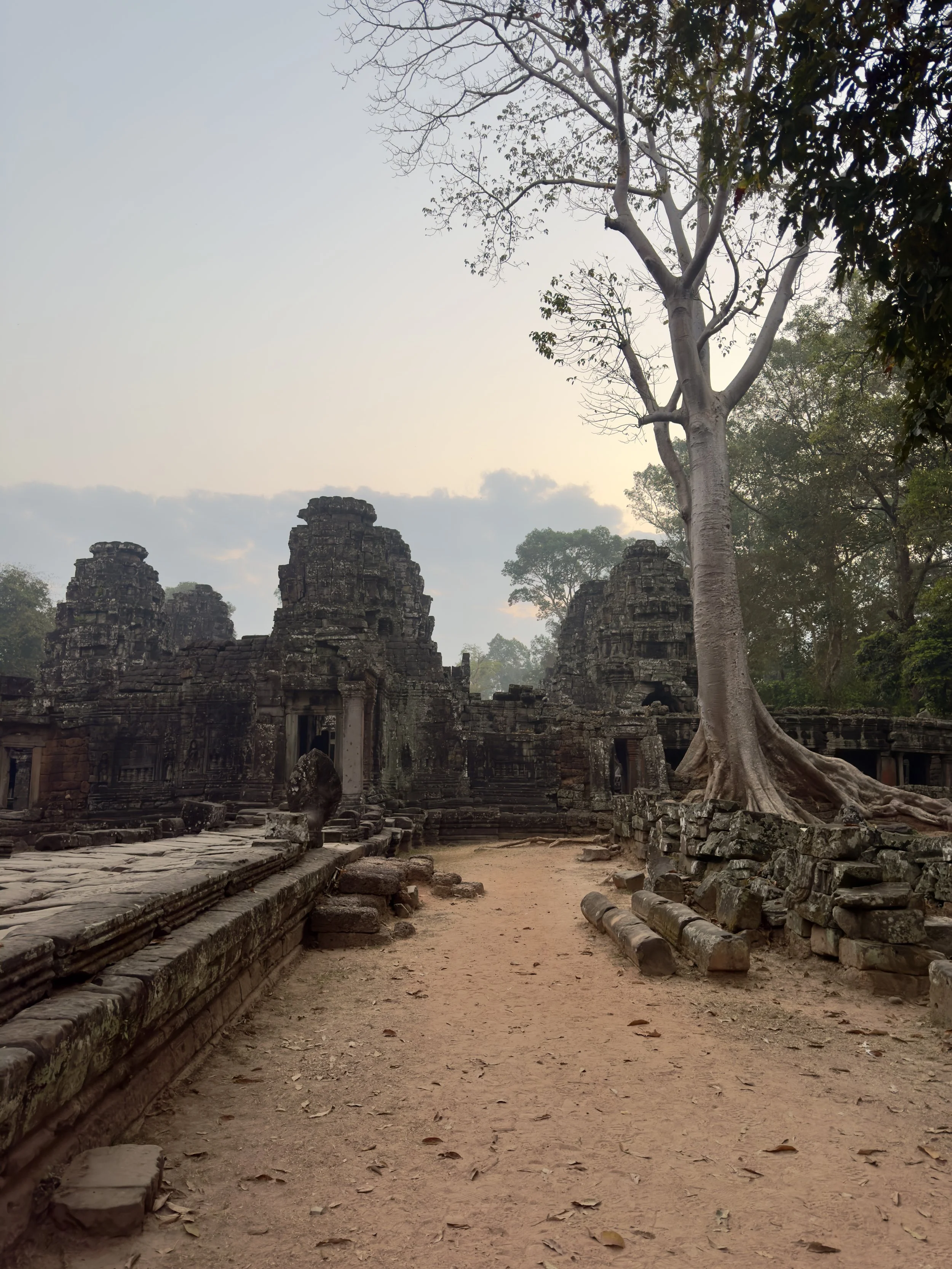
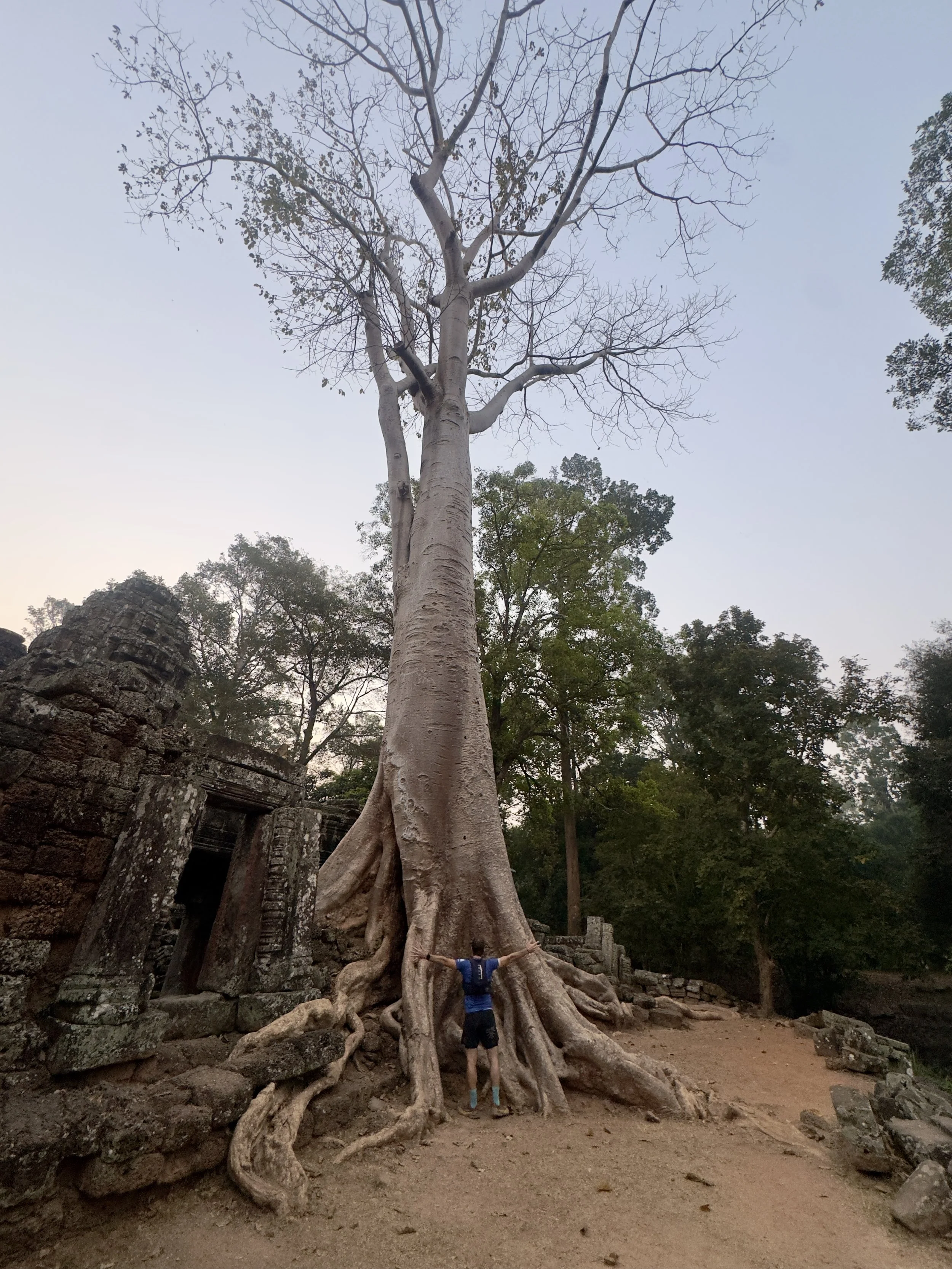
What most people don't know: if you enter the park only for running or cycling, without visiting the temples, you don't need to pay the entrance fee. The paths are open, the roads are runnable, and the experience is magical. Of course, we highly recommend purchasing a pass at some point to explore the temples properly. Ta Prohm alone, the famous Tomb Raider temple where giant roots devour ancient stones, is worth the price of admission.
Our bike tour itinerary to visit temples: Strava →
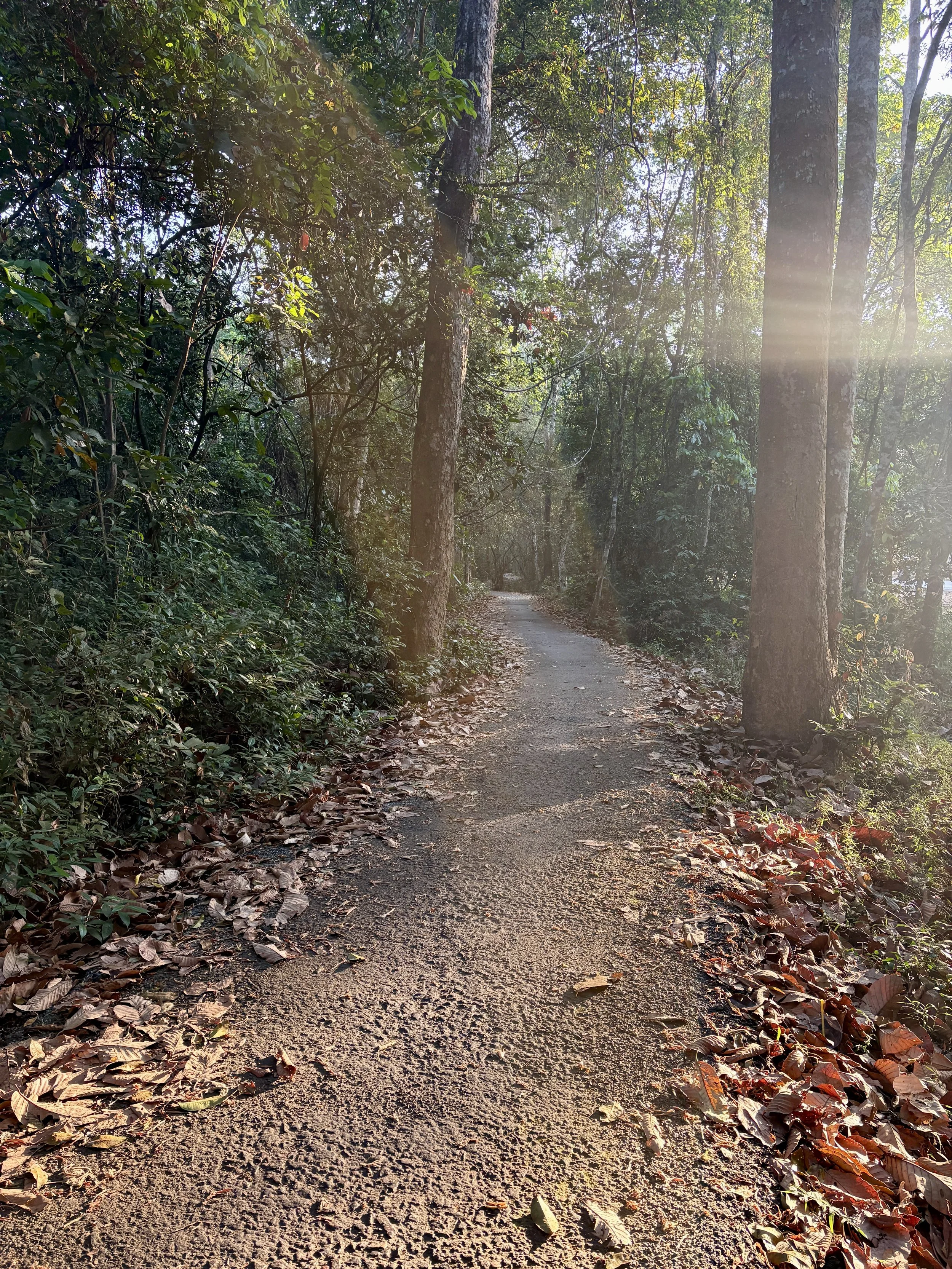
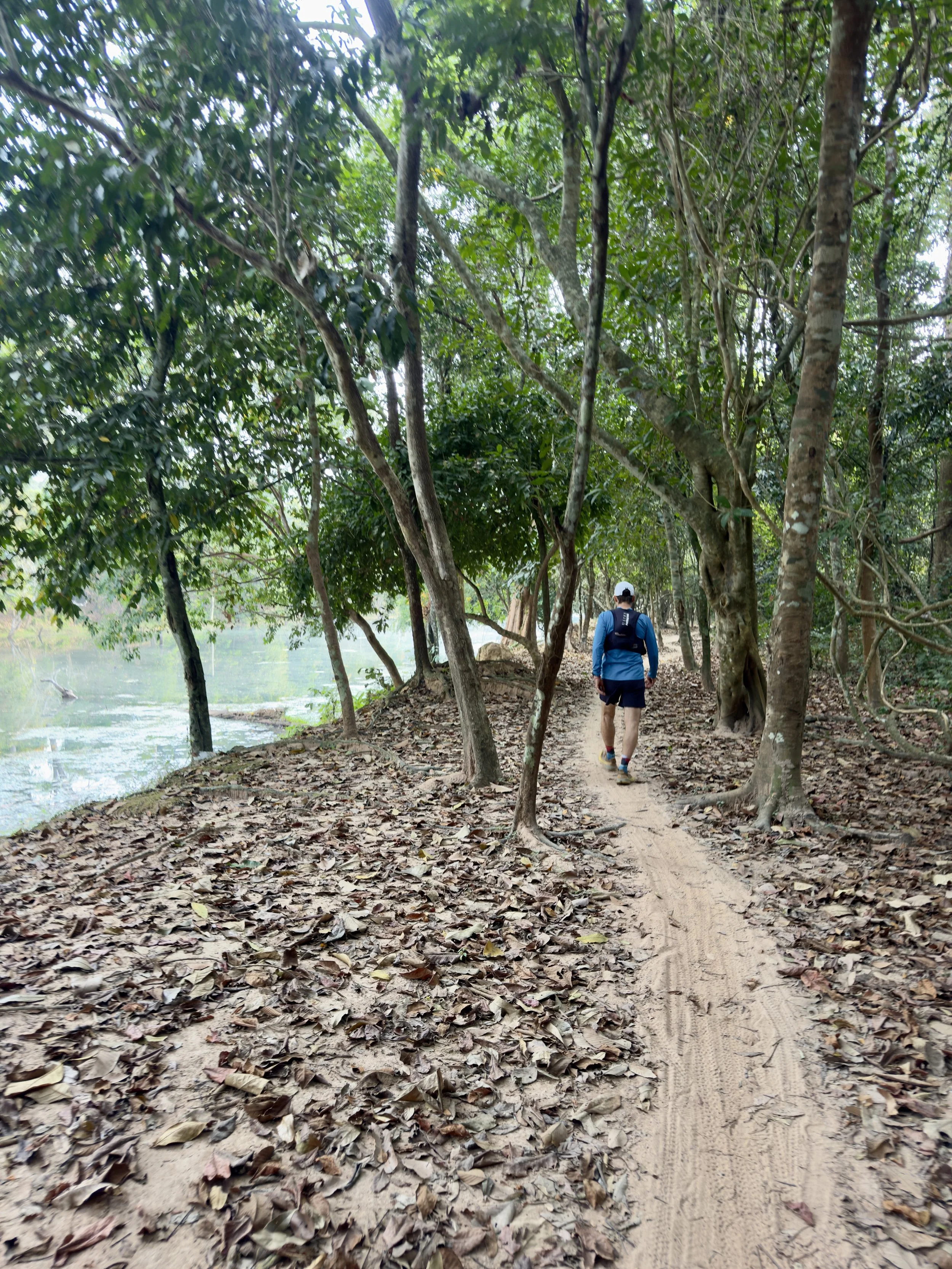
We explored Angkor on foot and by gravel bike (rented for just $4 USD per day). The park offers a mix of paved roads, dirt paths, and sandy trails that wind through jungle, past ancient reservoirs, and alongside villages that seem frozen in time.
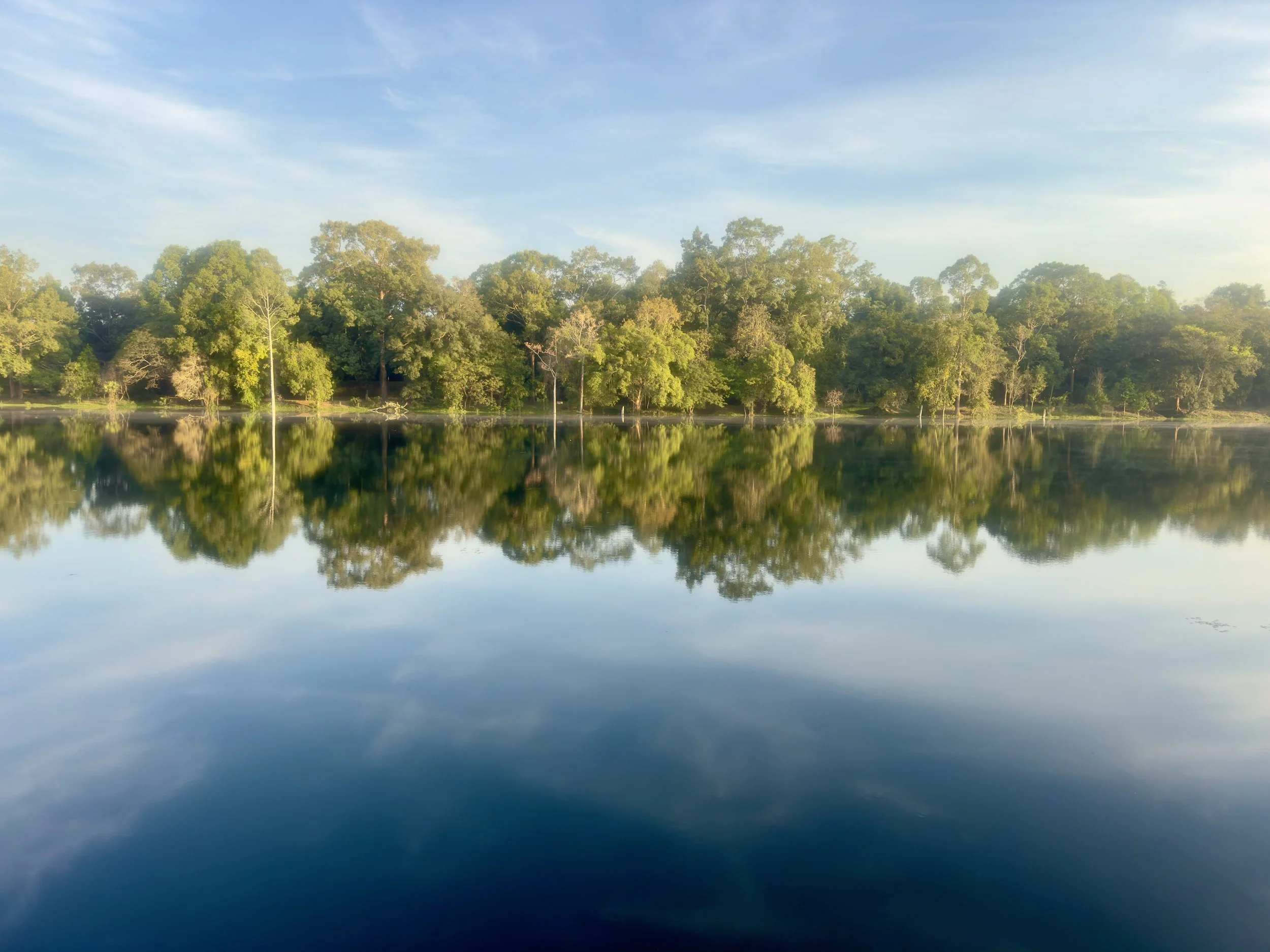
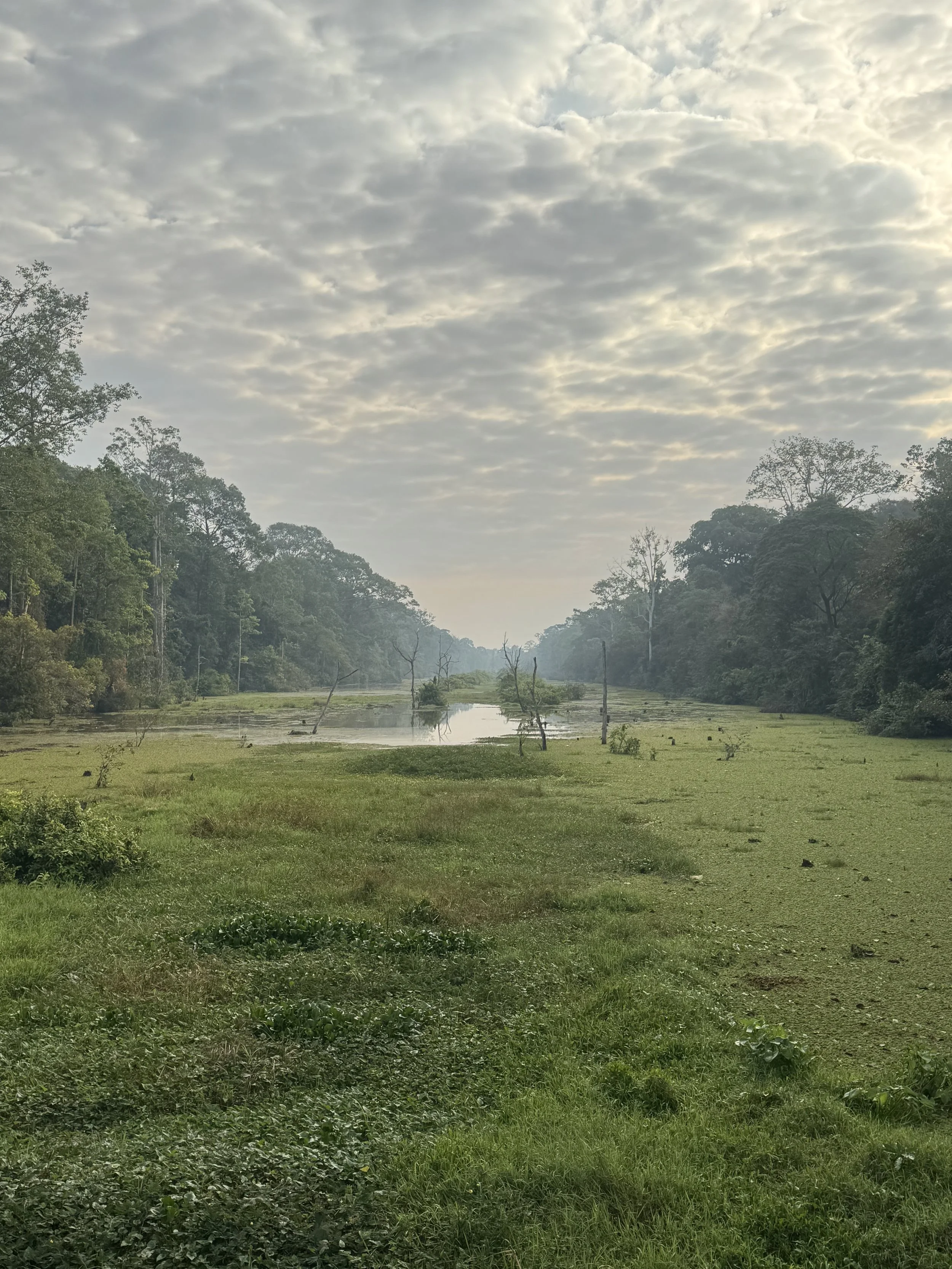
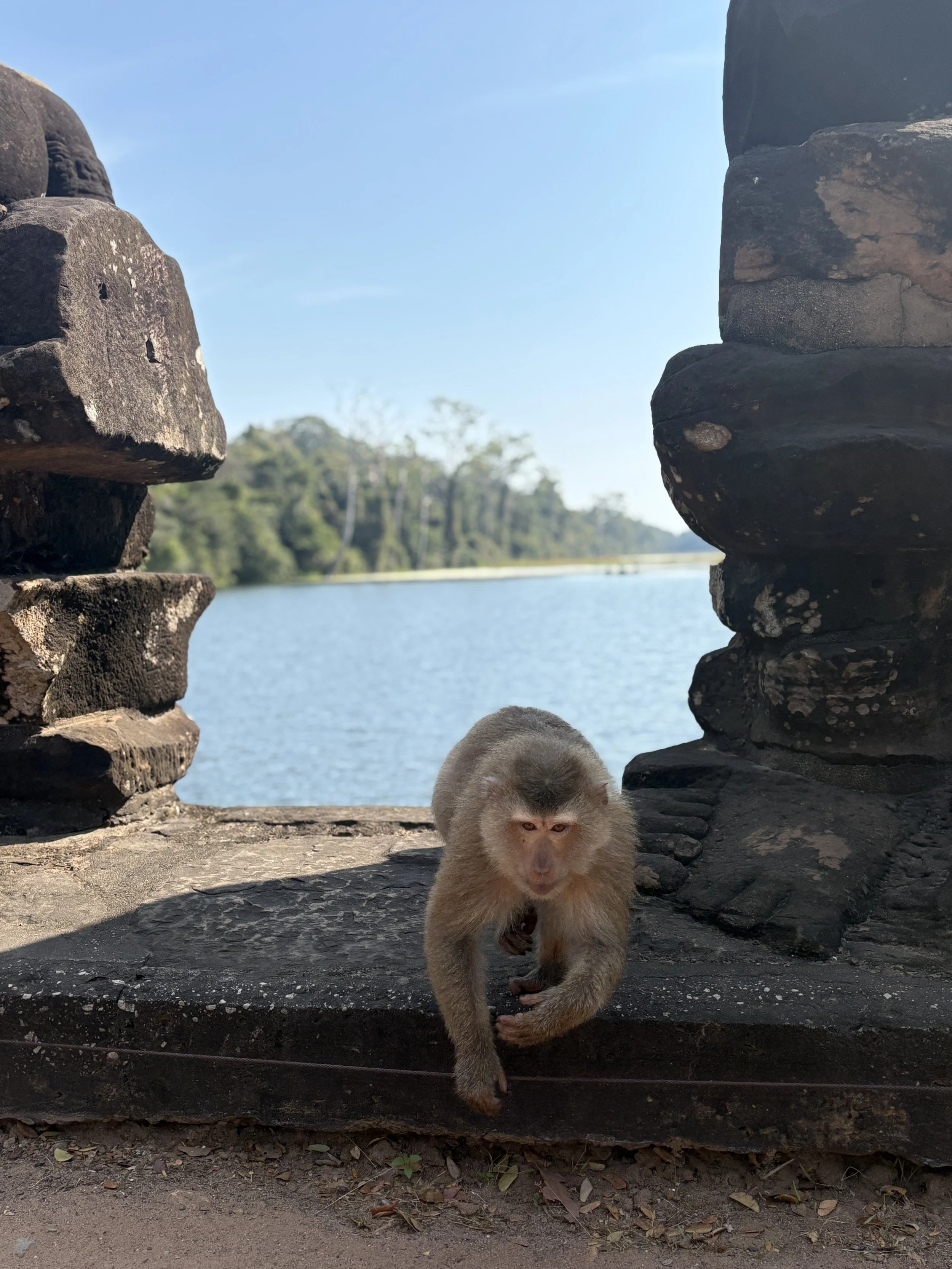
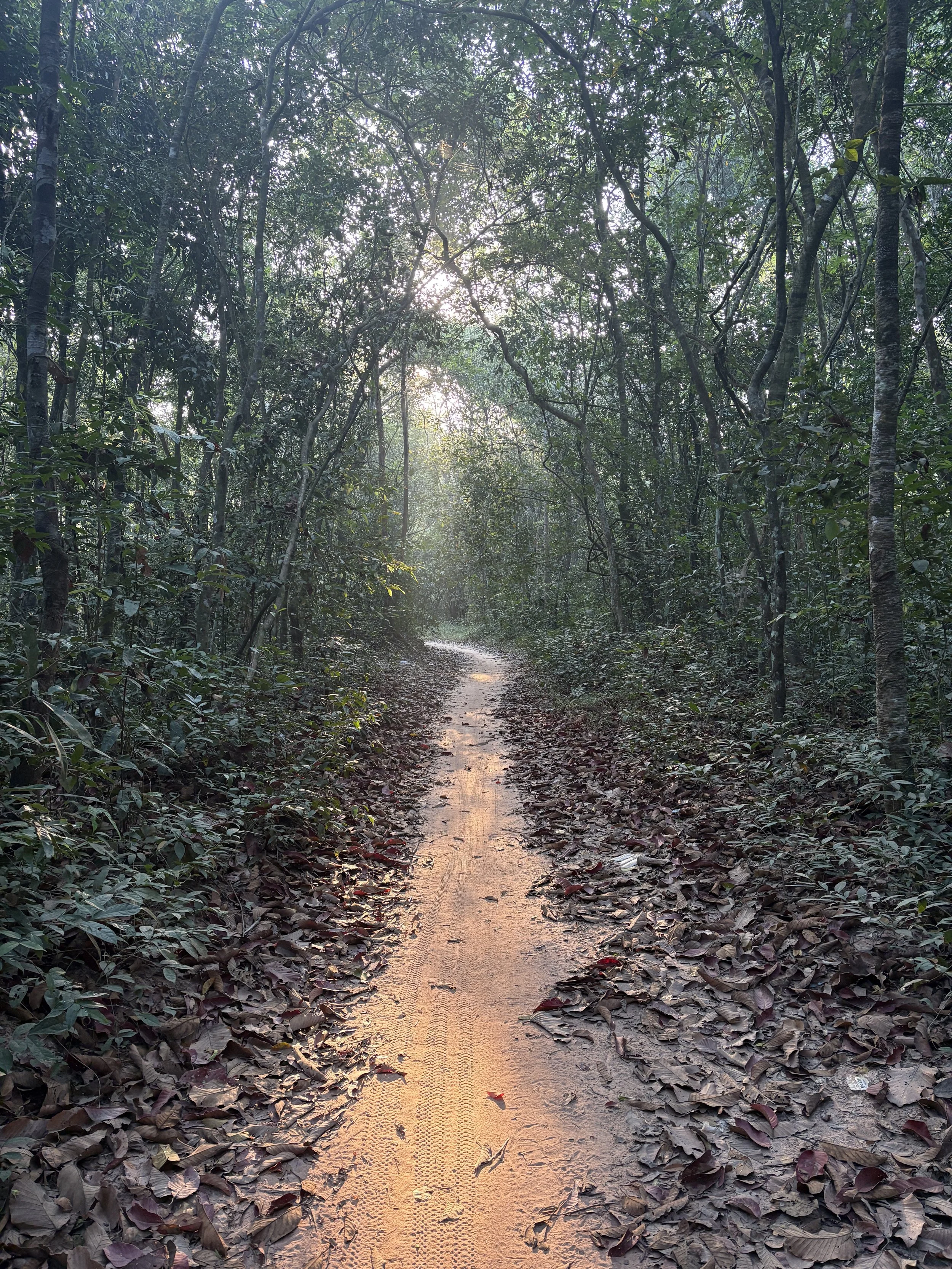
What makes running here special is the layering of worlds. The grand reservoirs shimmer at sunrise, reflecting temple spires in still water. Sandy paths cut through dense forest, offering shade from the tropical sun. Local life unfolds around you: monks in saffron robes, vendors setting up their stalls, children waving from doorways. Monkeys occasionally cross your path.
Racing the Temples: Ultra Trail d'Angkor 64 km
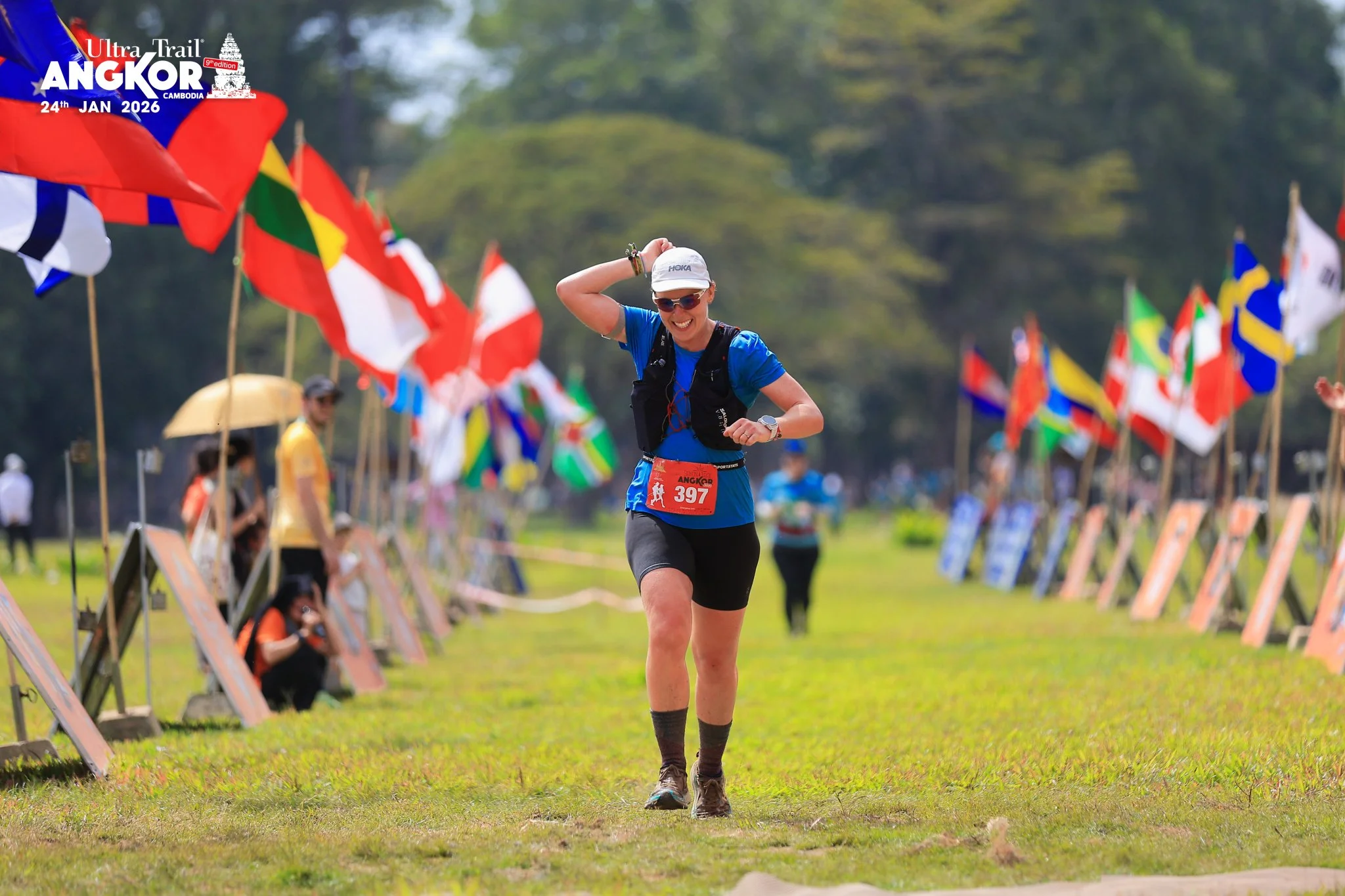
And yes, we didn't just run around the temples. We raced them.
The Bayon Trail Angkor 64 km starts at 4 a.m. from the Terrasse des Éléphants, the ancient royal viewing platform lit up against the night sky. Standing under that arch, headlamp on, heart pounding, surrounded by runners from across the world about to take off into the darkness of a UNESCO World Heritage site. That moment alone is worth the trip.
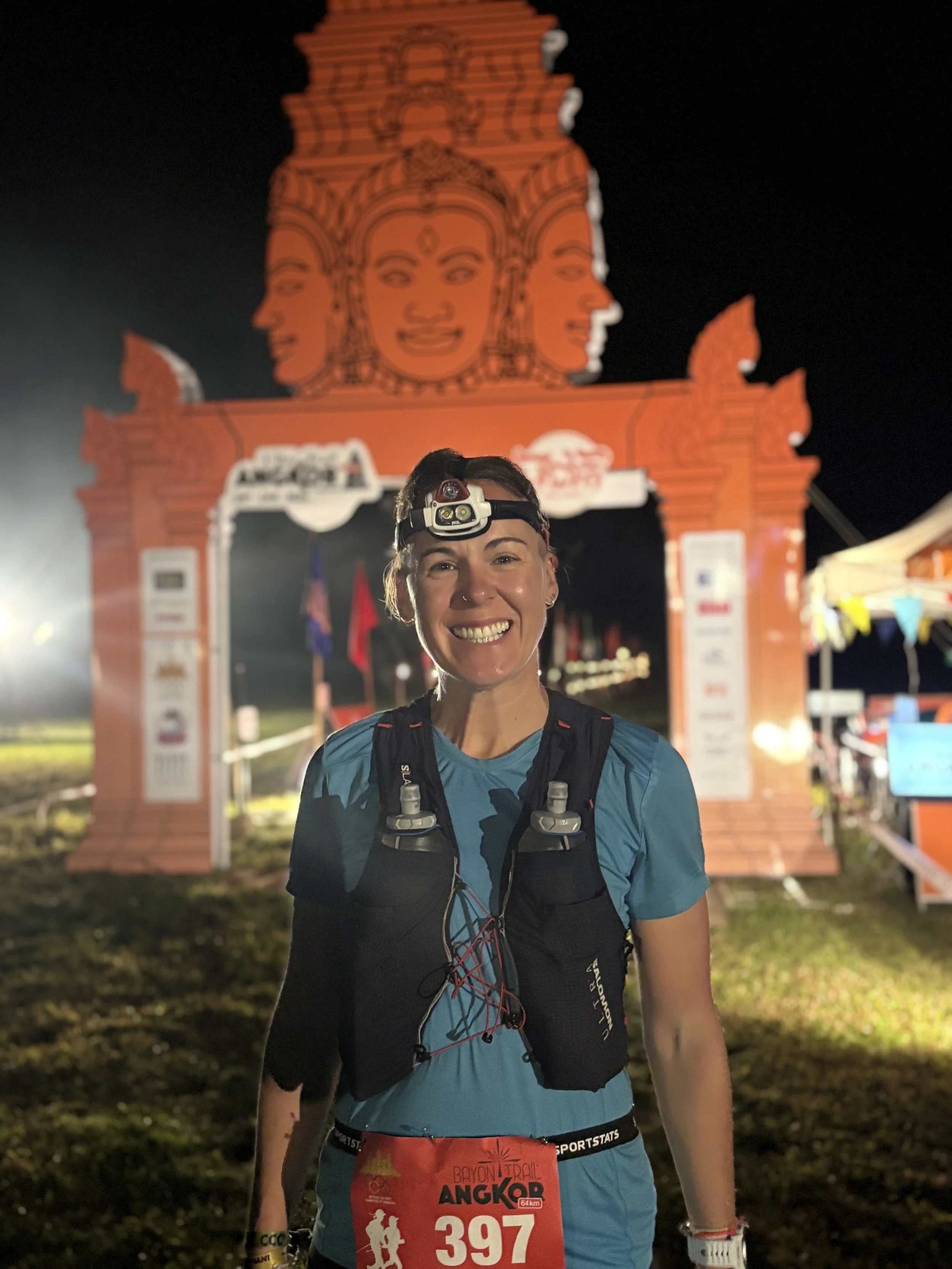
Then the gun goes off and you're running by headlamp through the jungle, the beam catching glimpses of stone carvings and tree roots older than most countries. You pass through village after village where children line the paths cheering, locals wave from their doorways with genuine smiles, and the energy carries you forward. Your feet sink into soft sand, then into the cracked beds of dried rice paddies (we got lucky with the dry season). You run alongside temple walls, under trees whose roots have been growing for centuries, past curious monkeys watching from the branches.
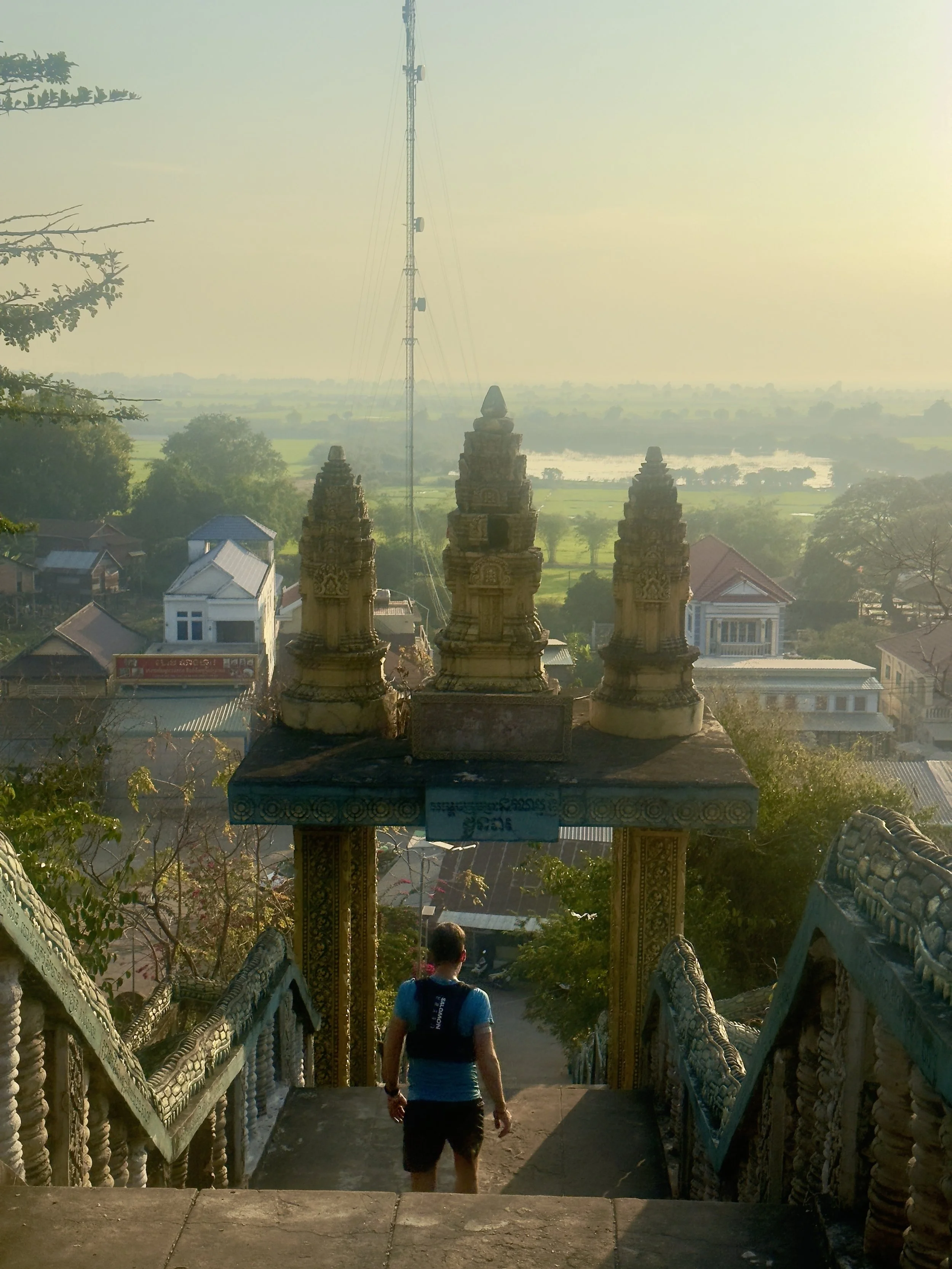
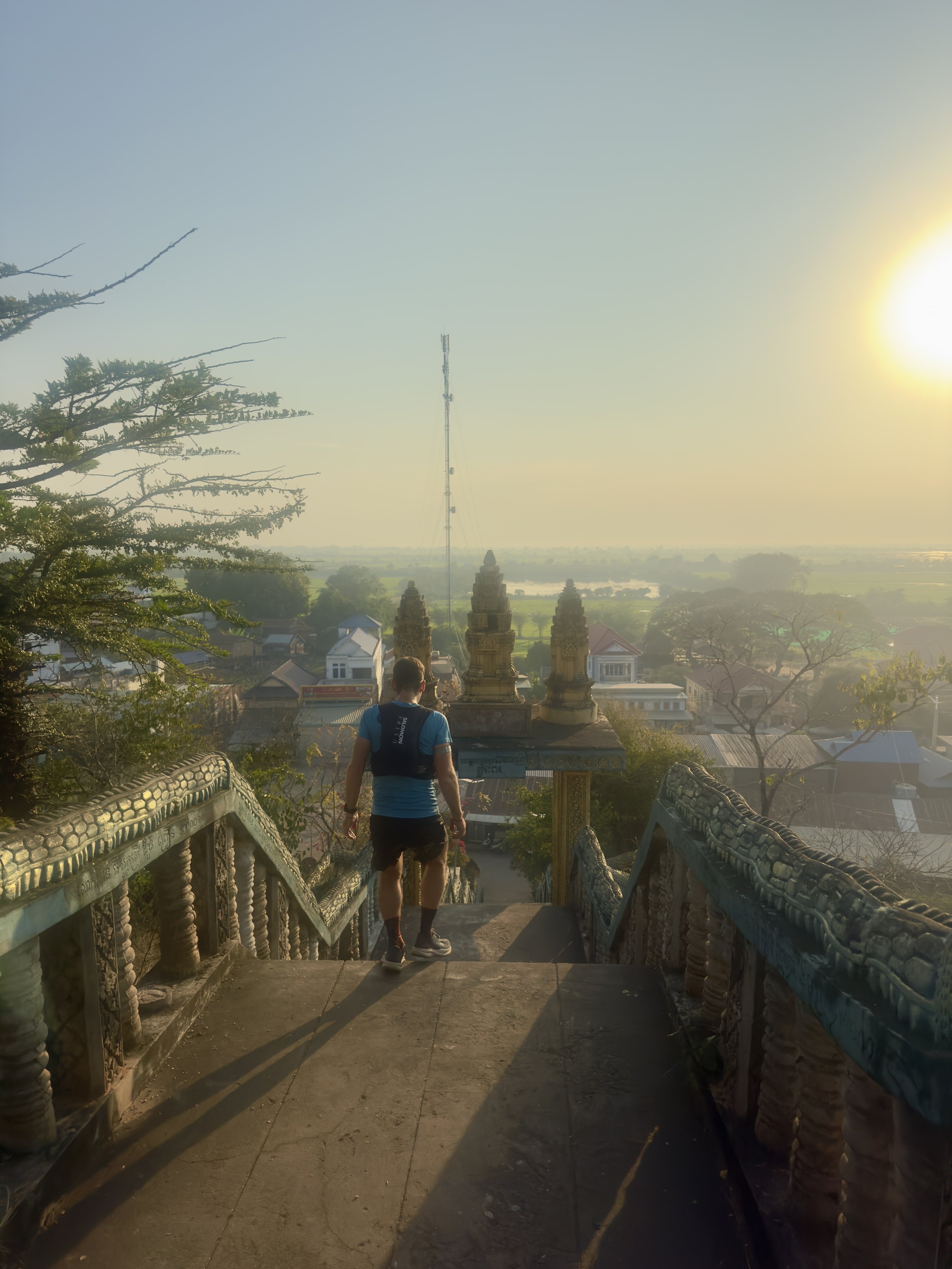
700 steps up Phnom Bok in the heat. Temples appearing out of nowhere. The course loops back through some of the most iconic ruins before delivering you to the finish line at the Elephant Terrace.
Running on a UNESCO World Heritage site in the dark, aiming to finish before lunch? That was the plan. And I did it. First female, 7:07, 8th overall. None of that would have been possible without Francis, who crushed it as crew at every checkpoint.
But the race doesn't end at the finish line. The post-race atmosphere is something else entirely: food kiosks, music, runners sprawled in the shade sharing stories. Then evening comes and the medal ceremony unfolds on this enchanting site, complete with traditional Khmer music, dance performances, and a Khmer boxing demonstration. Dignitaries in attendance, including a prince and members of the Olympic Committee. Receiving honours in that setting, under the lights, surrounded by the temples? Unforgettable.
If you're looking for a reason to come to Cambodia with your running shoes, this race is it.
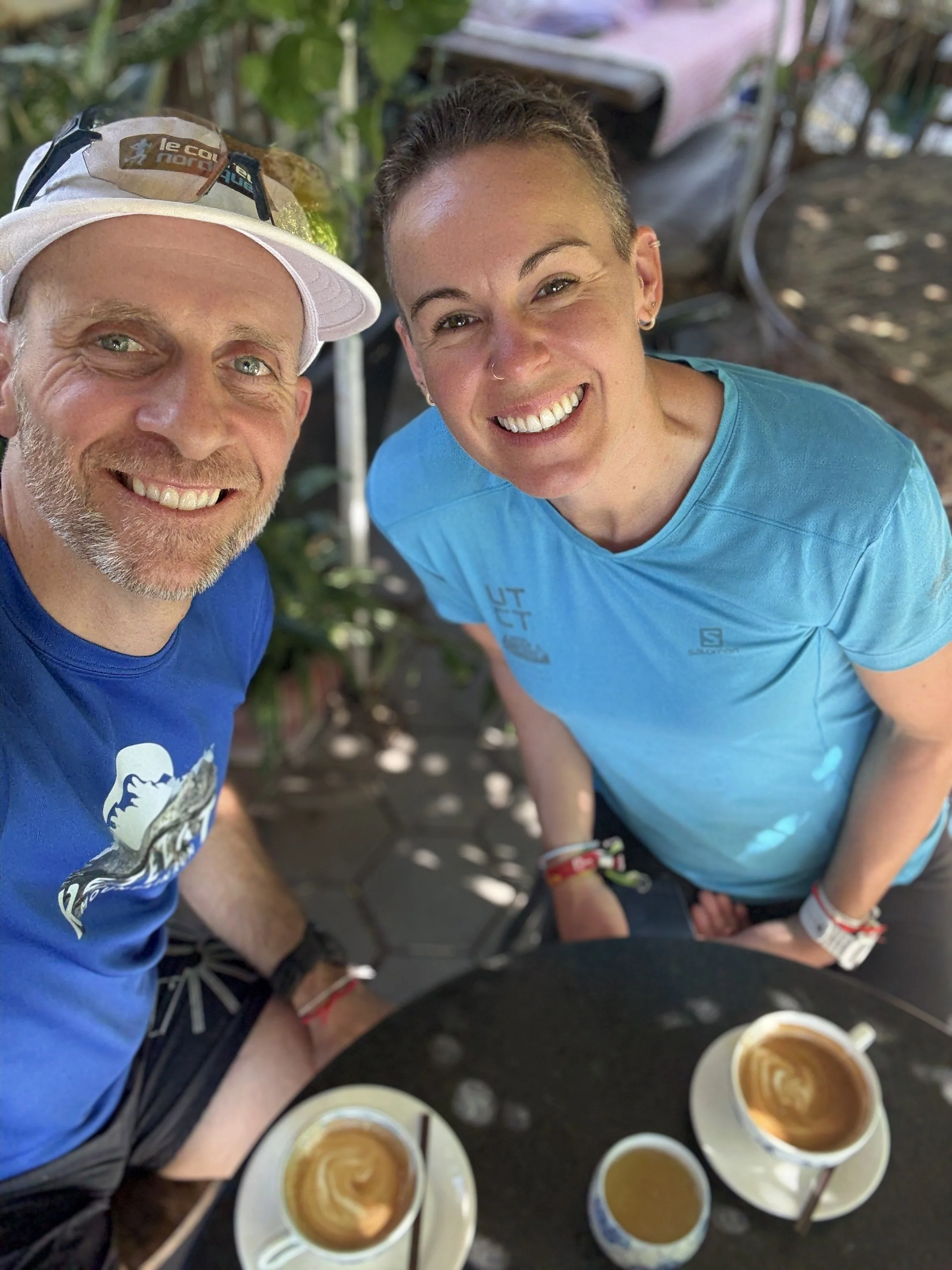
The Ultra Trail d'Angkor race offers GPX files for distances up to 100 km. Even if you're not racing, these routes provide excellent guides for creating your own runs from 8 km to 100 km. Small vendors selling water are scattered throughout the park, and there's enough along the way to piece together an improvised aid station if needed. We fell in love with the roadside coffee kiosks: tiny setups with incredibly warm welcomes and excellent café.
Phnom Krom – Where the Flat Ends
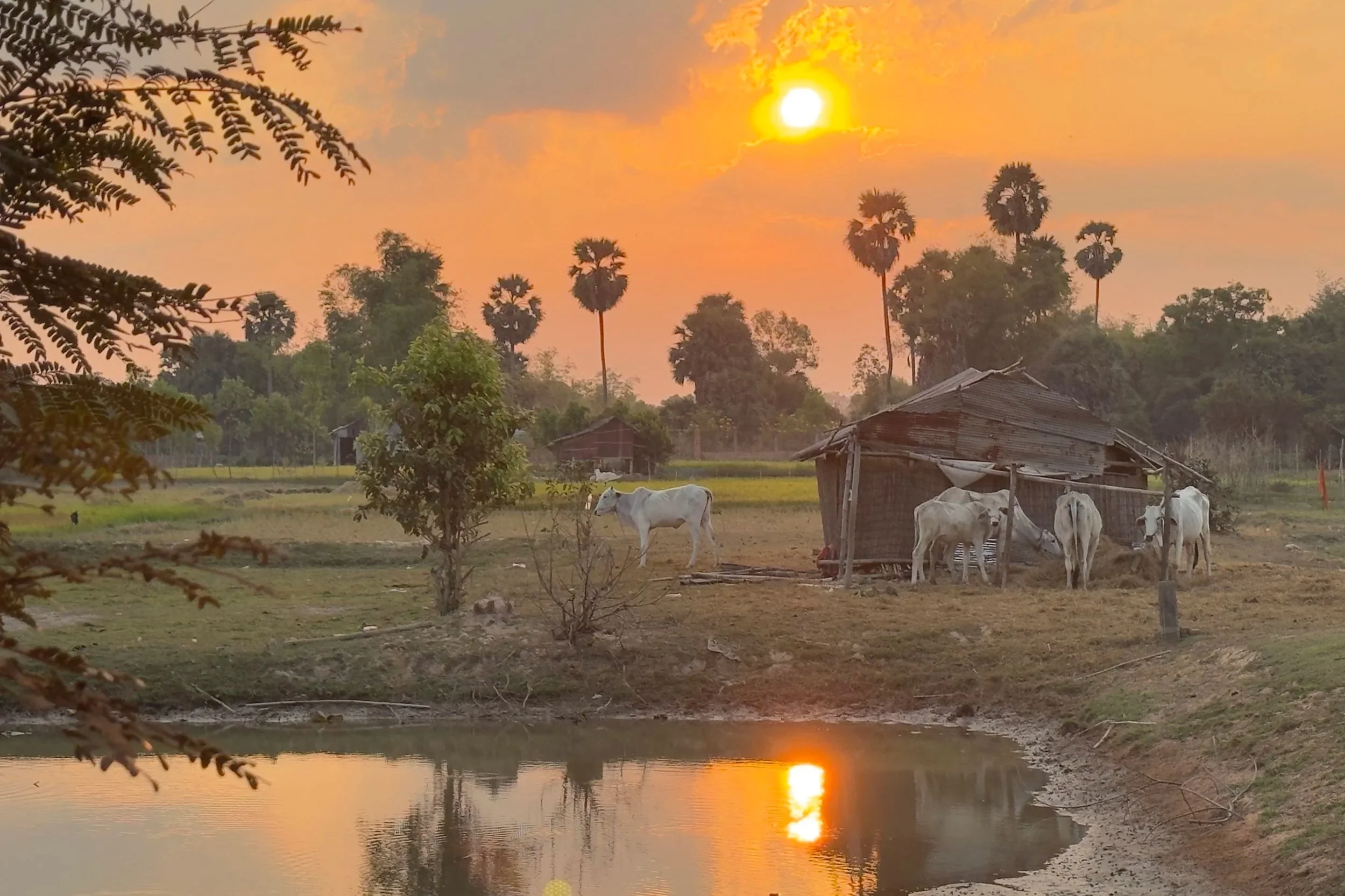
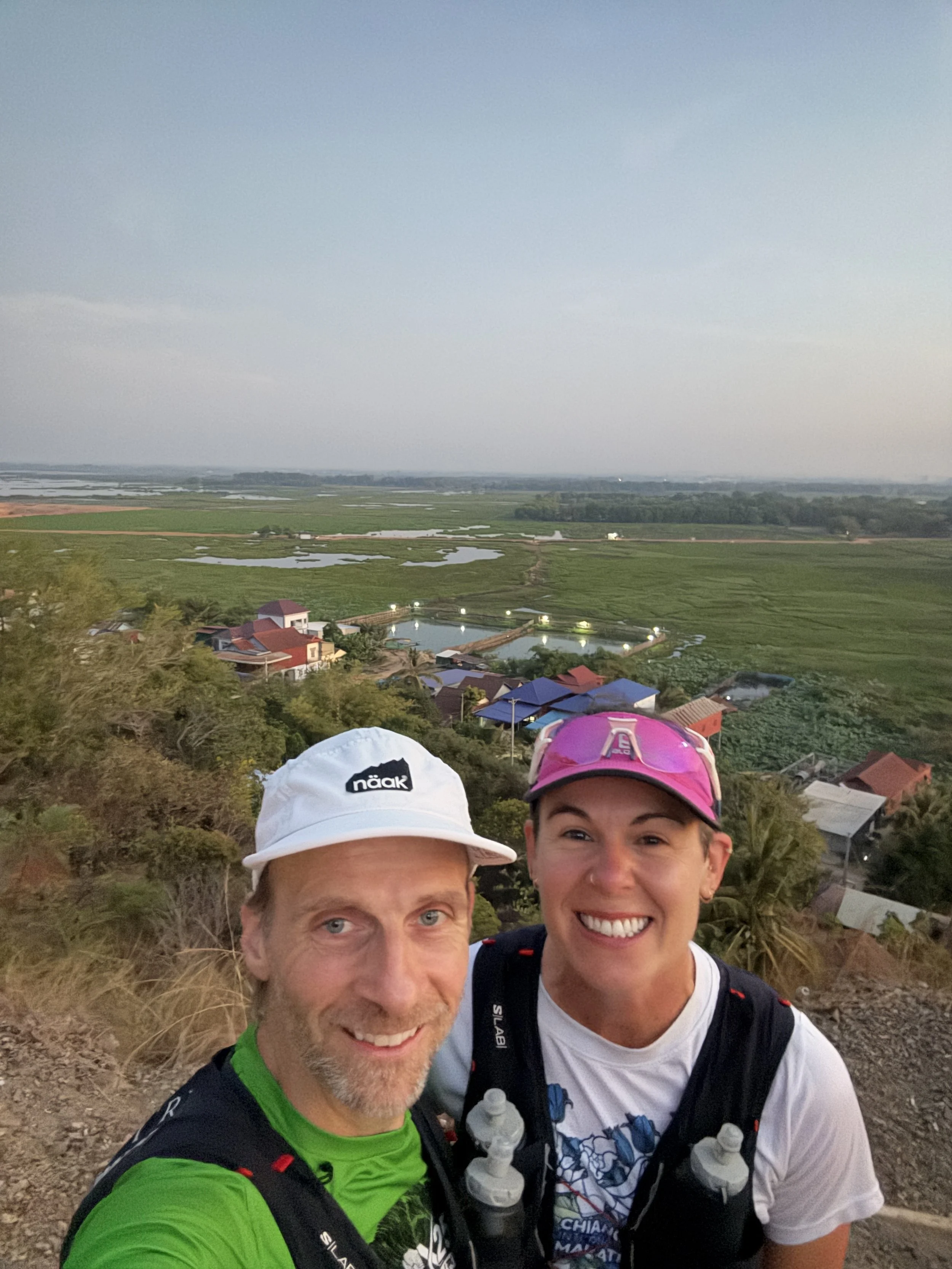
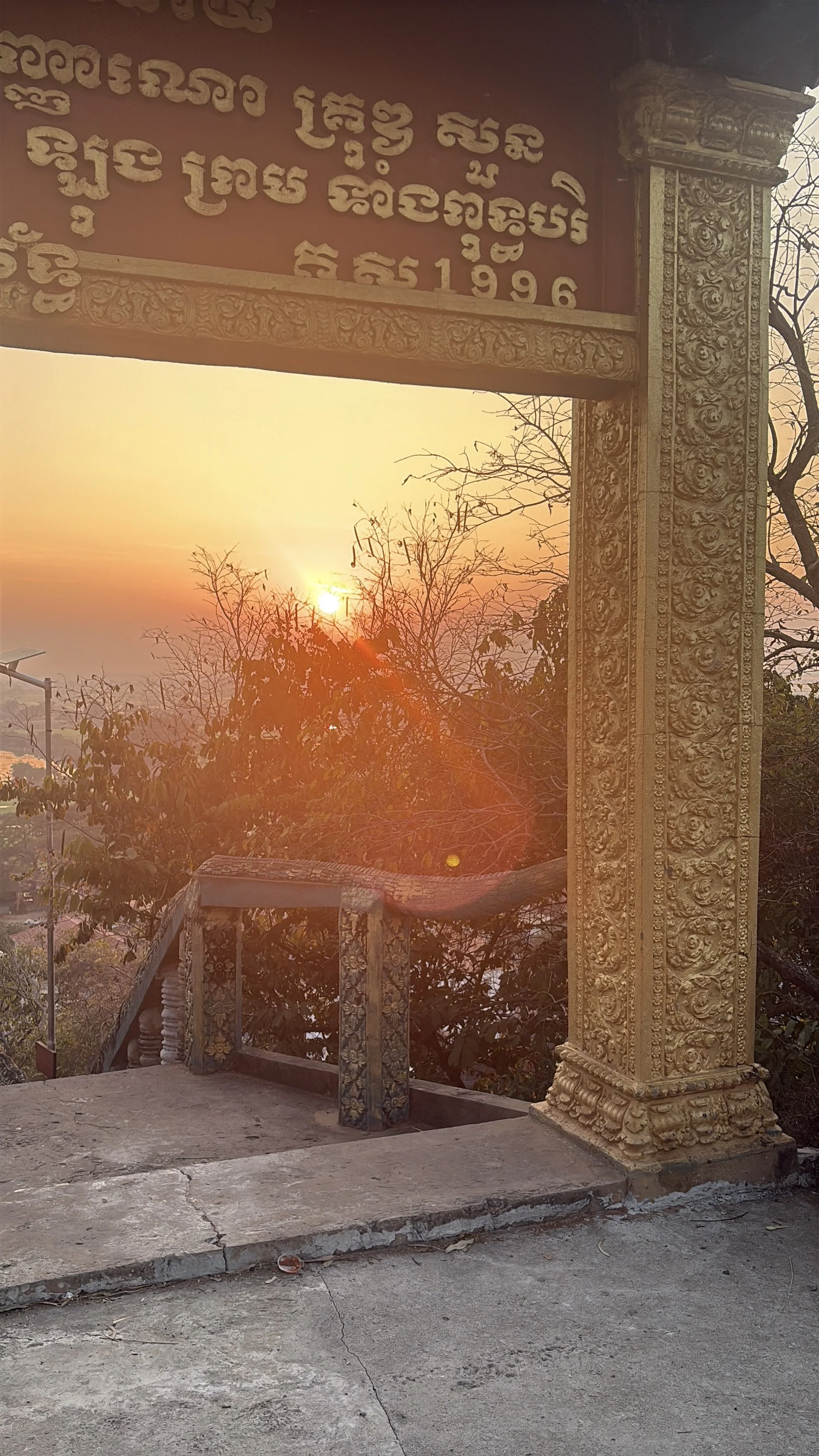
If you're craving elevation, Phnom Krom is your answer… if you consider this 140-meter hill a hill. Phnom Krom sits about 12 km south of Siem Reap, crowned by a Buddhist Temple and a 9th-century Hindu temple built by King Yasovarman I. The road up offers a proper climb, short but satisfying, and the summit delivers panoramic views of Tonle Sap Lake, endless rice paddies, and the distant silhouette of Siem Reap city.
There’s an entrance fee after sunrise, but you can climb for free if you arrive before. We combined our Phnom Krom runs with explorations of the surrounding villages on stilts, threading through rice fields where the sunrise paints everything gold.
You can run from Siem Reap along the river road (about 13 km each way), which takes you through rural villages, past fish markets, and alongside traditional wooden houses. Or take the shorter Phsar Krom road (about 10 km each way) for a more direct route with views of rice paddies stretching to the horizon.
For more elevation, you might be drawn to the Kulen Mountains, about 50 kilometres north of Siem Reap. This range offers more challenging terrain, including waterfalls and forest trails. We didn’t visit this trip, but many locals highly recommend it.
In-Town Running – The River and Royal Gardens
In the city itself, runners (both tourists and locals) gather along the Siem Reap River and around the Royal Independence Gardens. This area offers the most accessible running in town, though timing is everything. Classic North Strava →
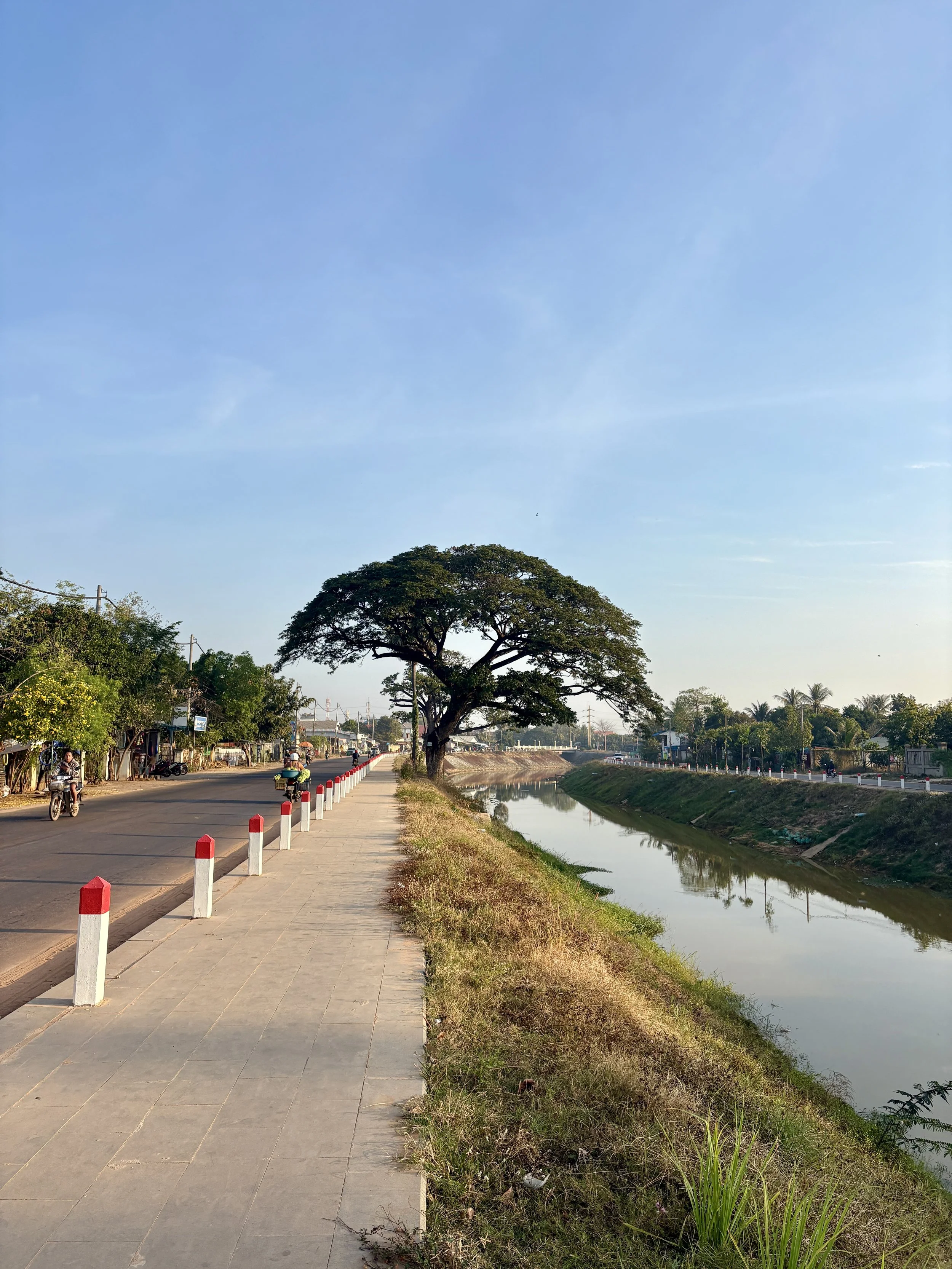
Early morning, before 6:30 a.m., the river paths are relatively quiet. You can run north along both riverbanks toward the countryside, where the route eventually connects to dirt paths leading toward Angkor Park. North towards the countryside Strava→
Head south along the river and you can run all the way to Phnom Krom, making for a solid long run if you're up for it. Along the river South Strava →
After 6:30 a.m., traffic multiplies rapidly. What was a peaceful run becomes an obstacle course of motorbikes and crossing pedestrians.
The Cycling Alternative
If you enjoy cycling, Siem Reap is exceptional. We rented gravel bikes and mountain bikes for extended explorations and found ourselves covering far more ground than running allowed. Group rides happen daily within the park 5am-5:30am should be your time. You’ll see Cambodians and cyclists from all over the world gathering in the early morning. It’s a fantastic way to meet local cycling enthusiasts and fellow travellers, and discover hidden routes you might miss.
What Siem Reap Taught Us
Siem Reap won't give you mountain ridges or technical singletrack. What it offers is something else: the chance to run through living history, to witness daily Cambodian life unfolding at dawn, and to experience the quiet magic of ancient temples emerging from morning mist.
Running here taught us patience. We learned to embrace the flat, to find beauty in simplicity, and to let the terrain dictate our pace rather than fighting it. Some mornings, we ran fast along smooth paths. Other mornings, we walked through villages, stopping to photograph rice paddies and wave at curious children.
That's what we chase. Not just kilometers, but the moments that stick. The temple at dawn. The kid on the bike who races you for fifty meters. The café owner who doesn't speak your language but knows exactly what you need after a long run. Siem Reap delivered plenty of those.
And what about Phnom Penh?
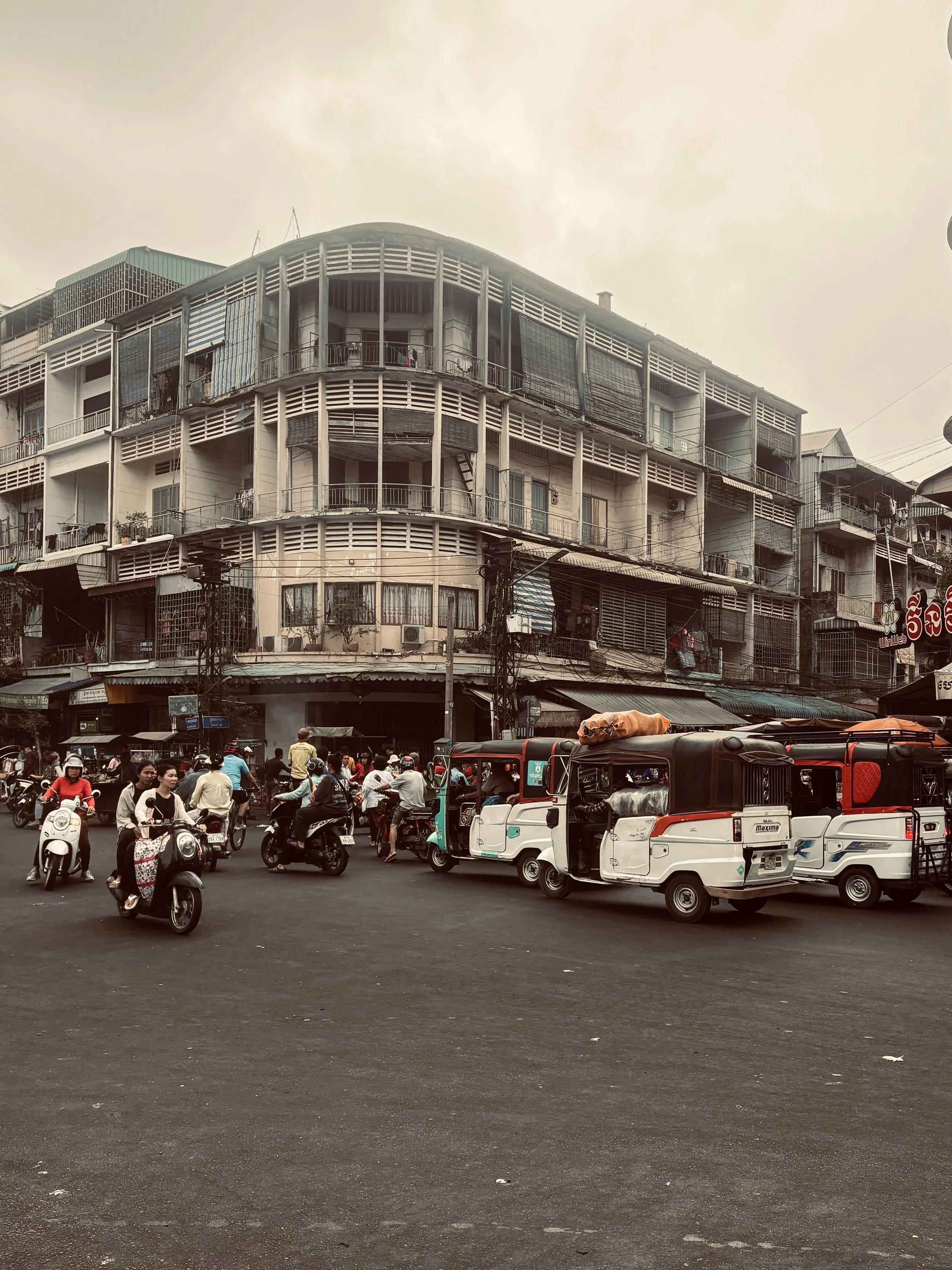
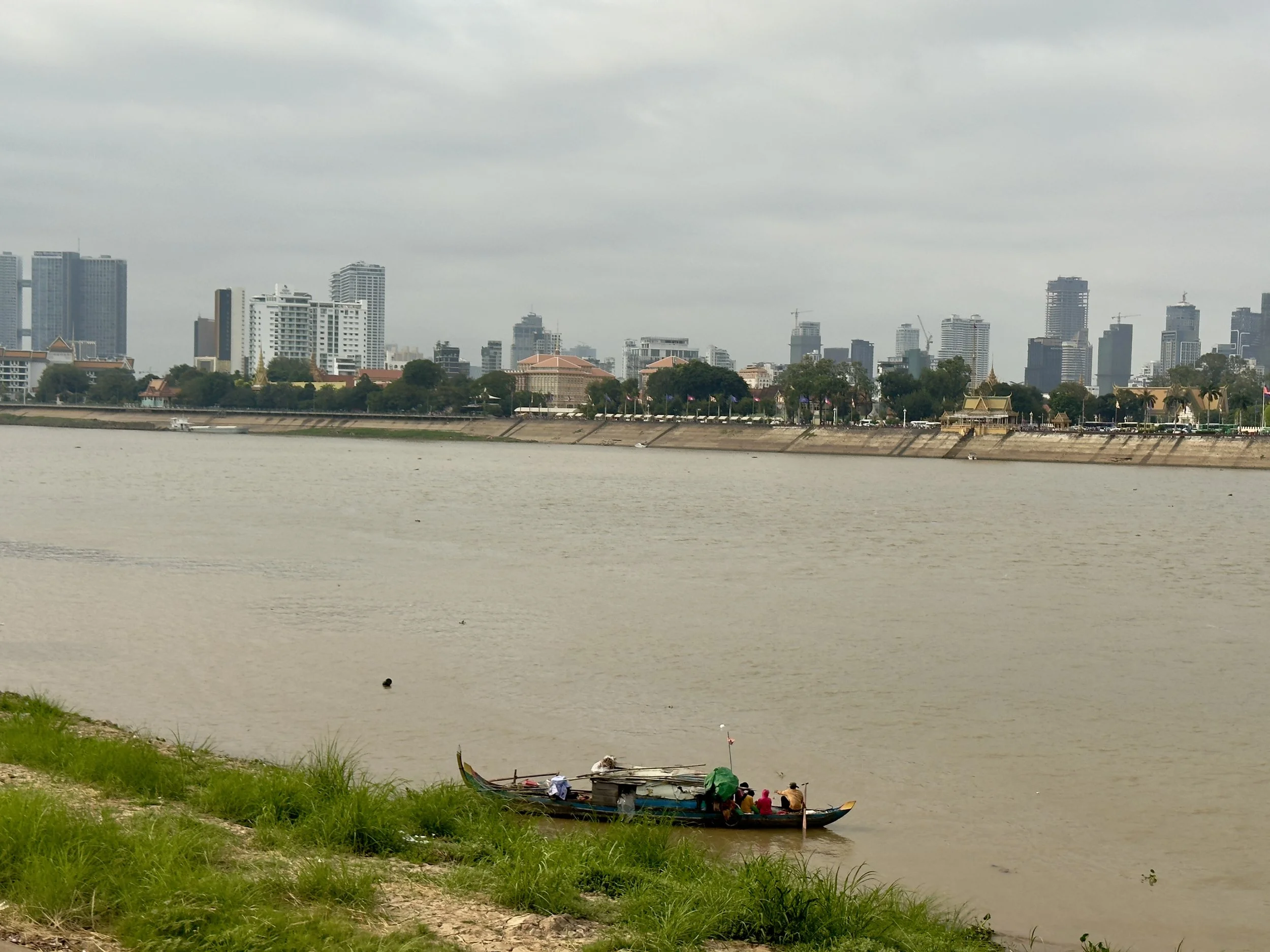
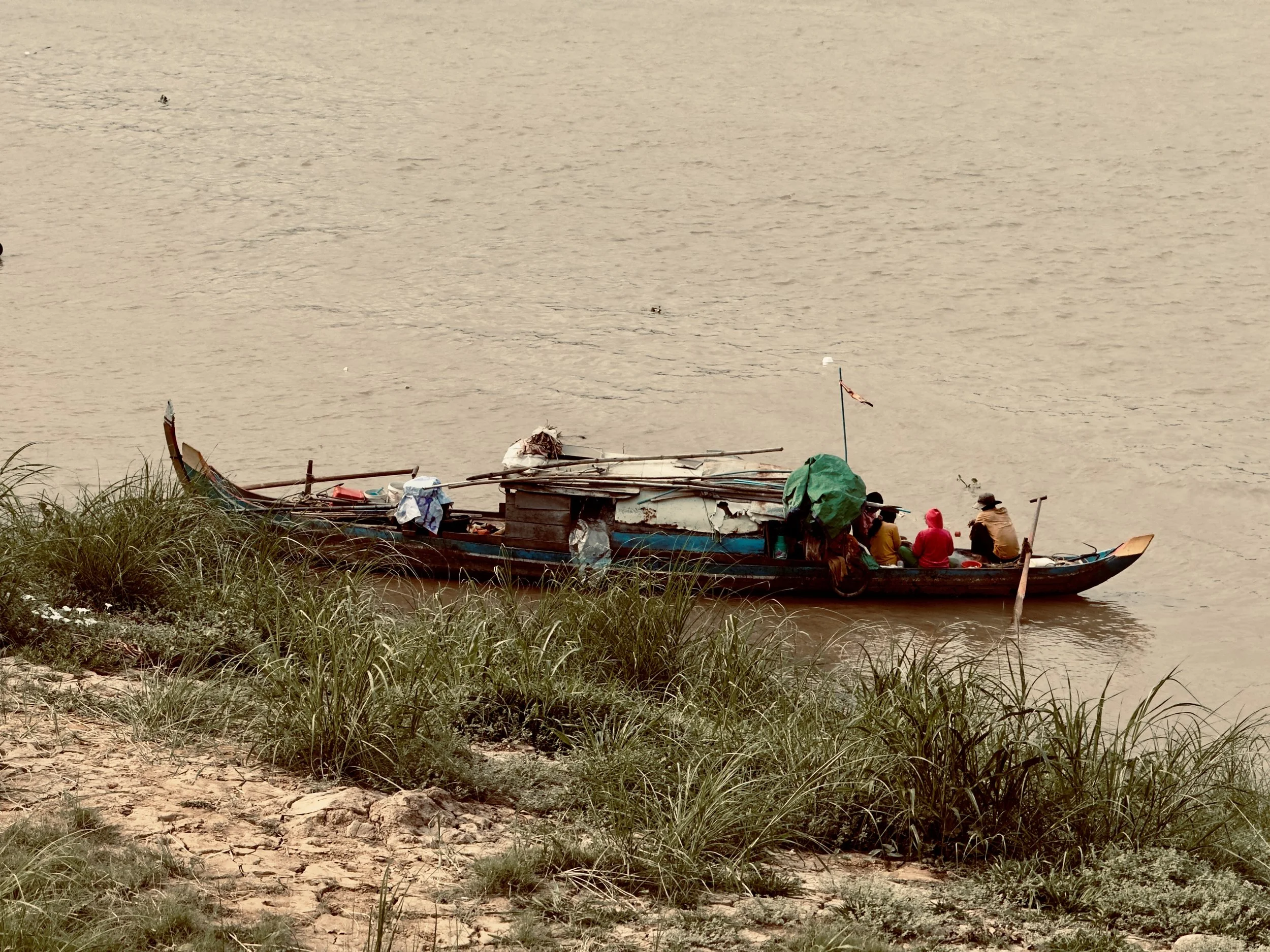
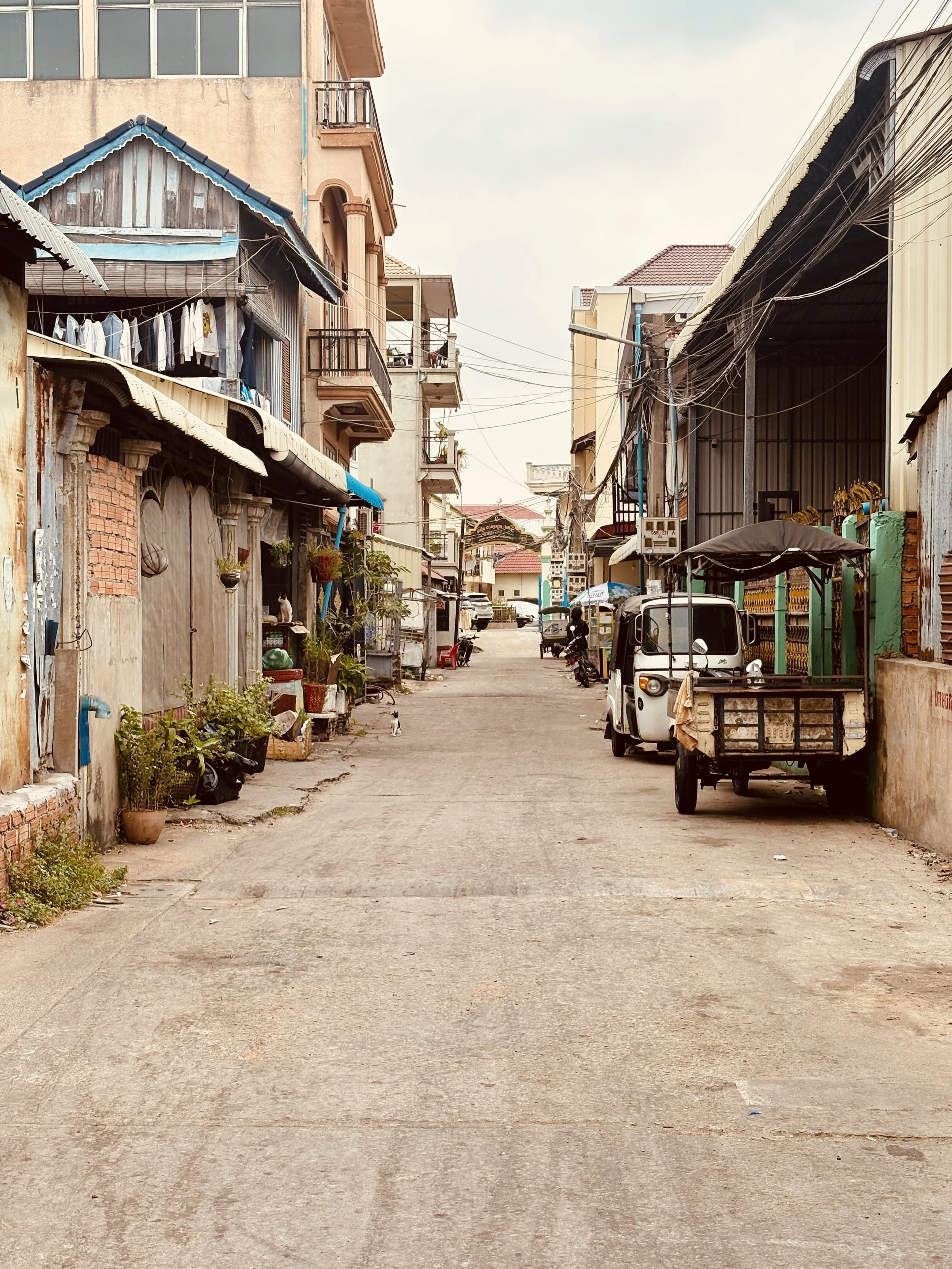
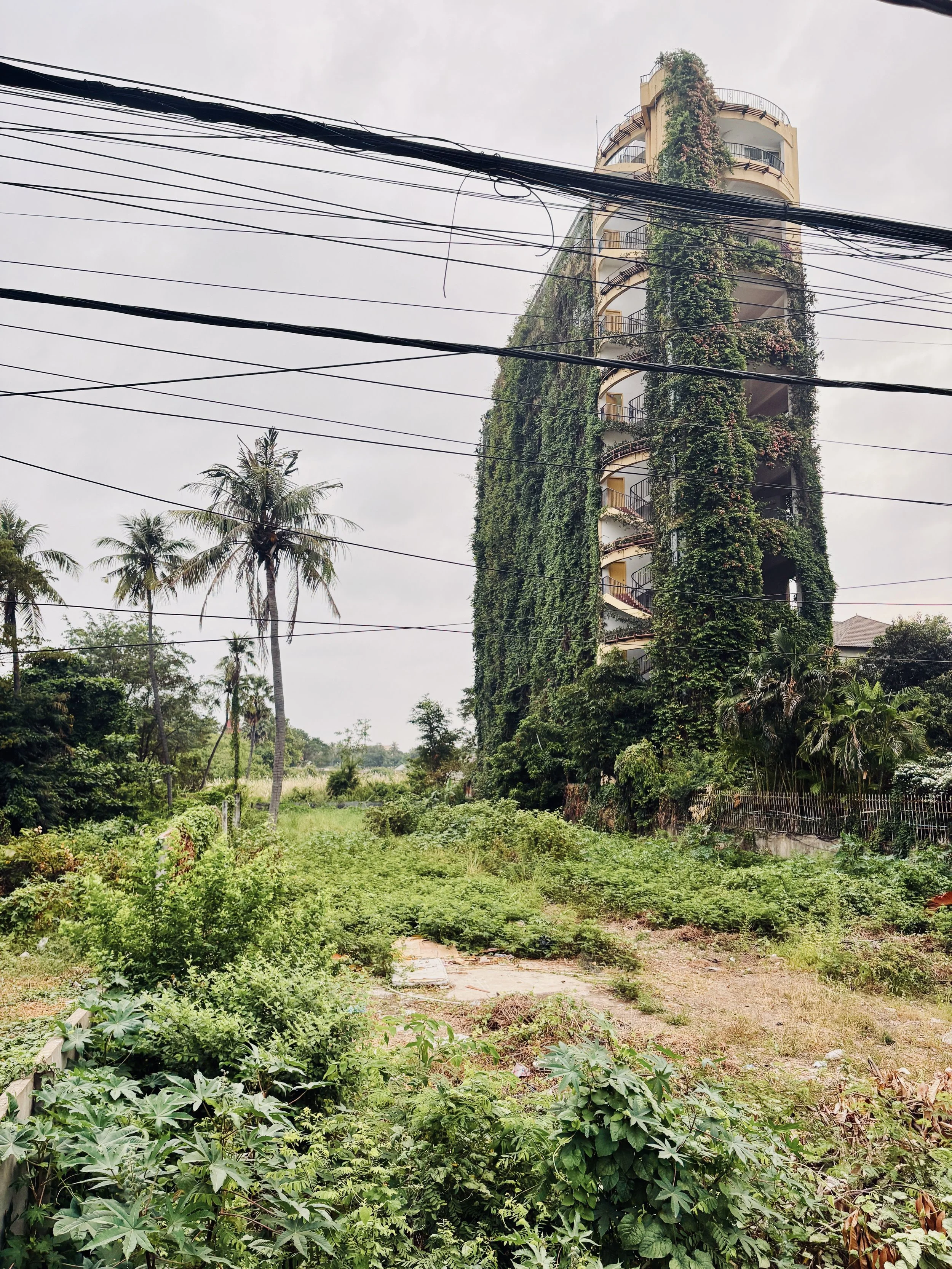
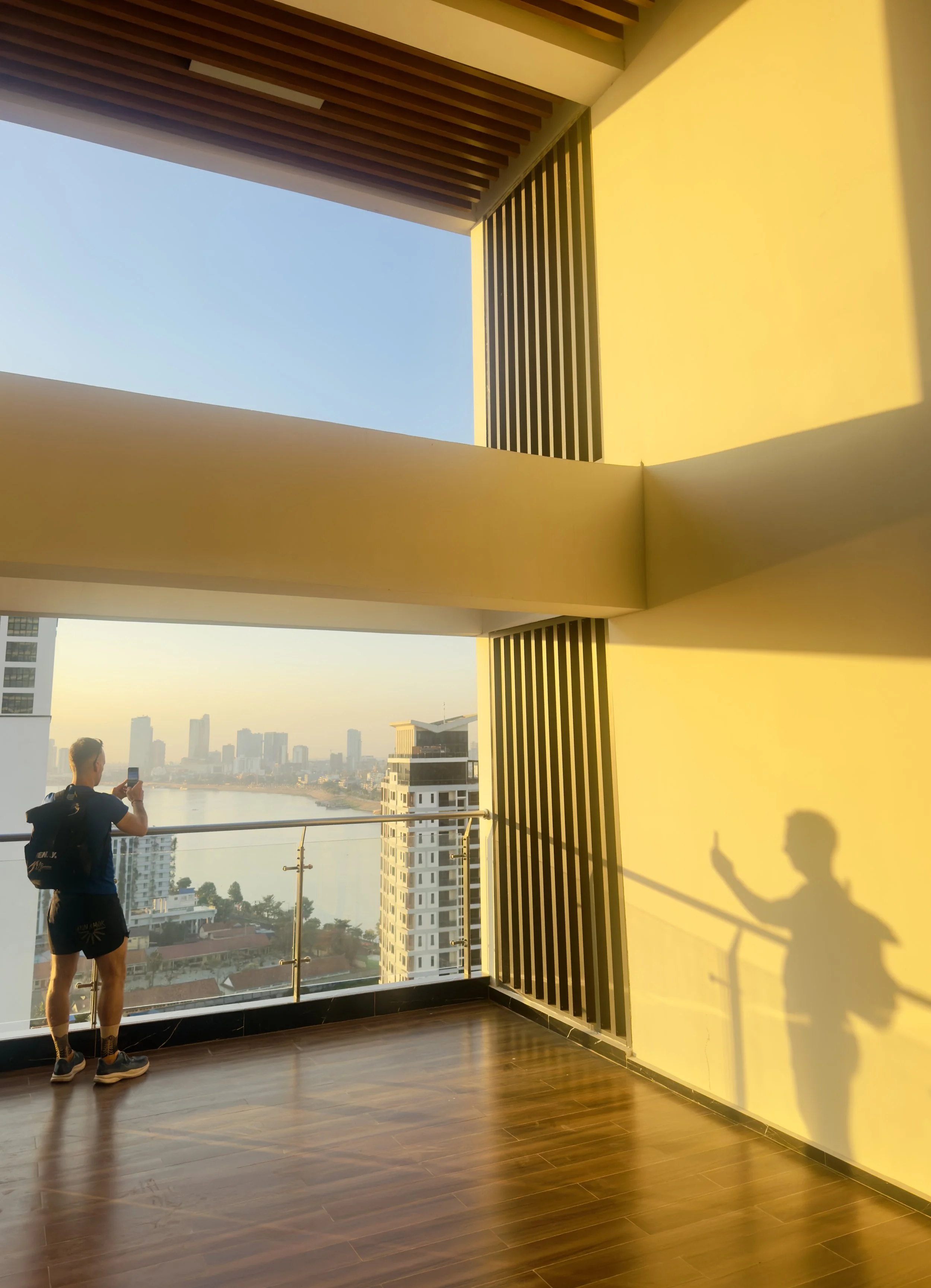
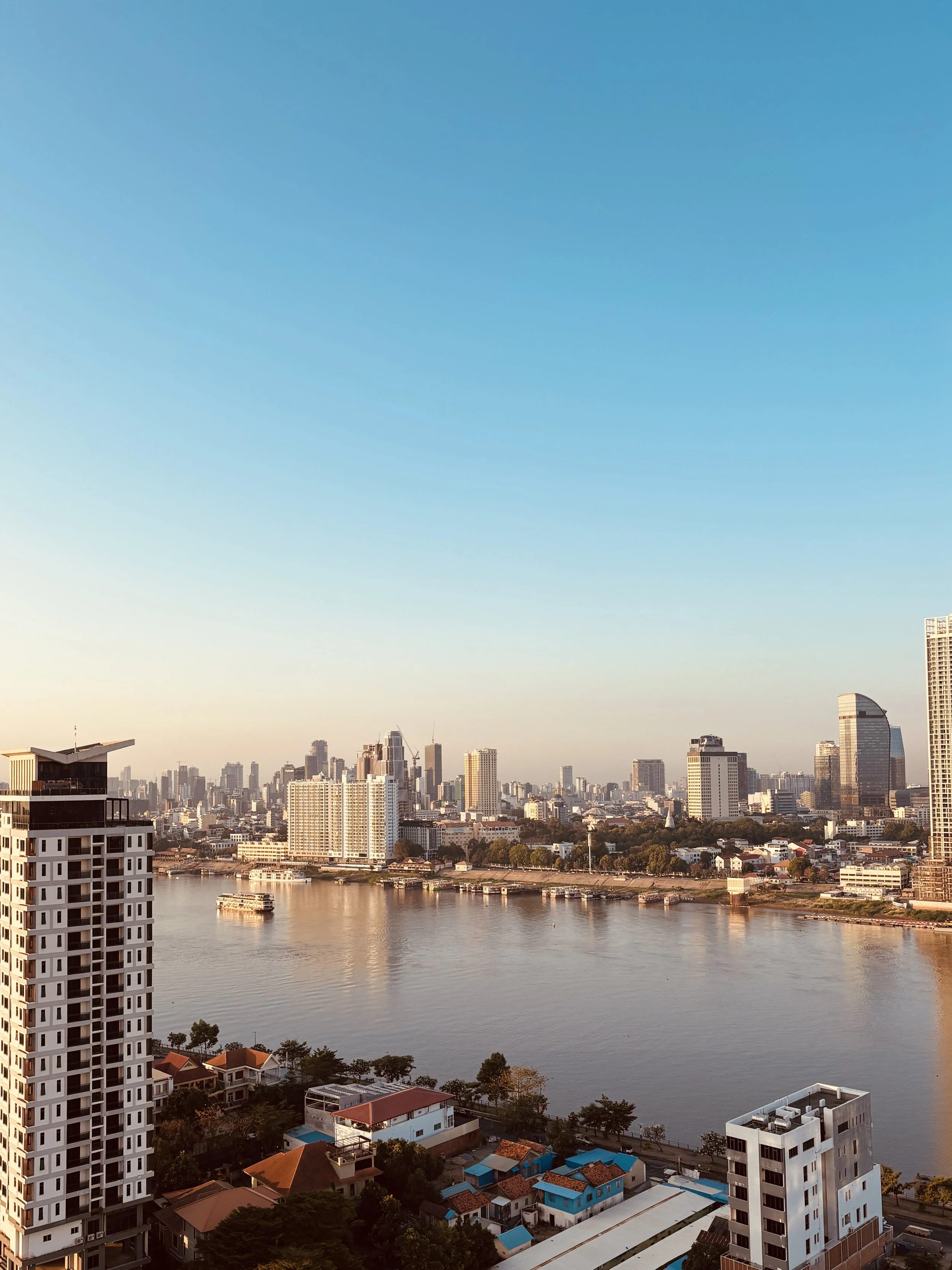
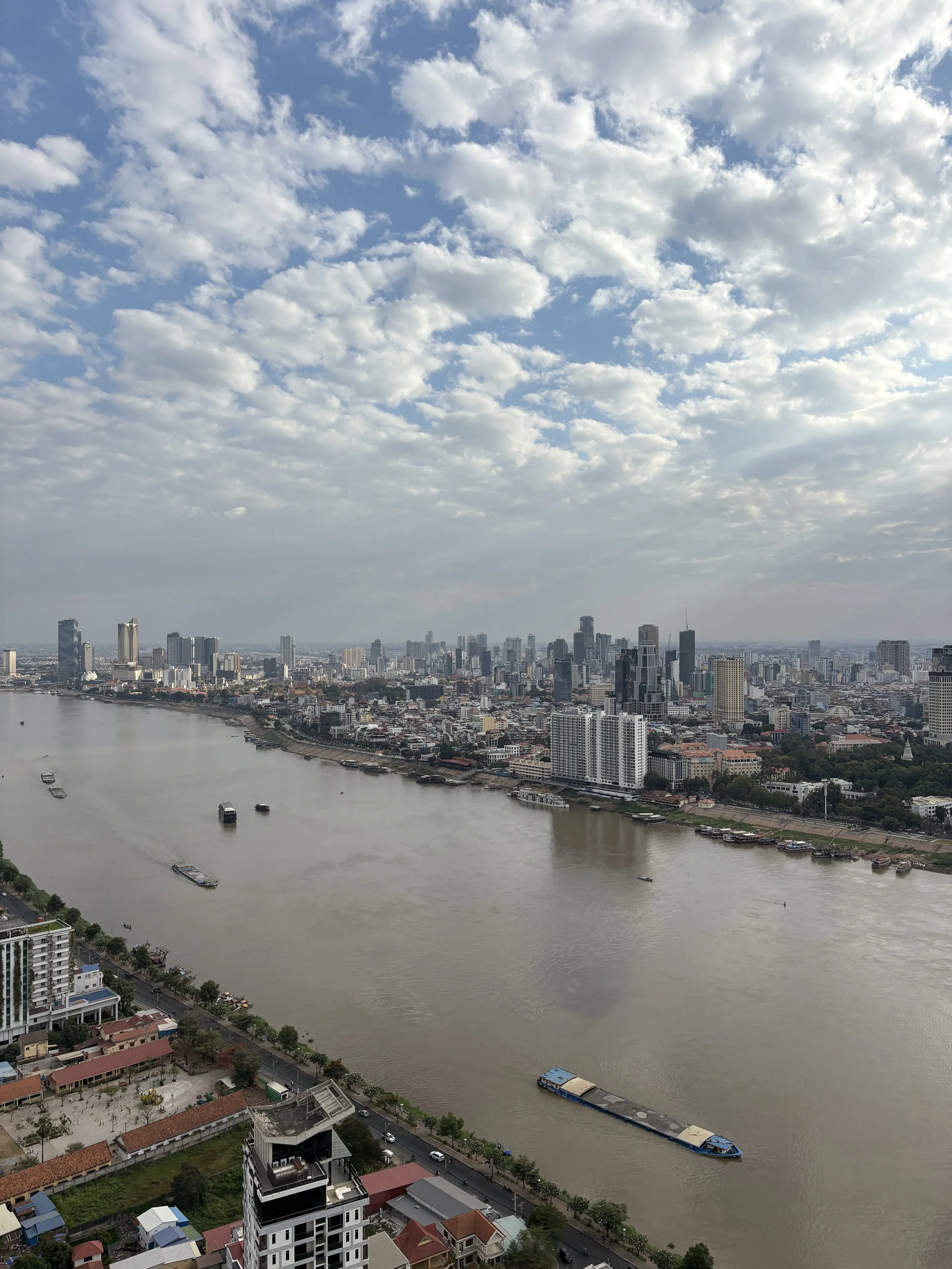
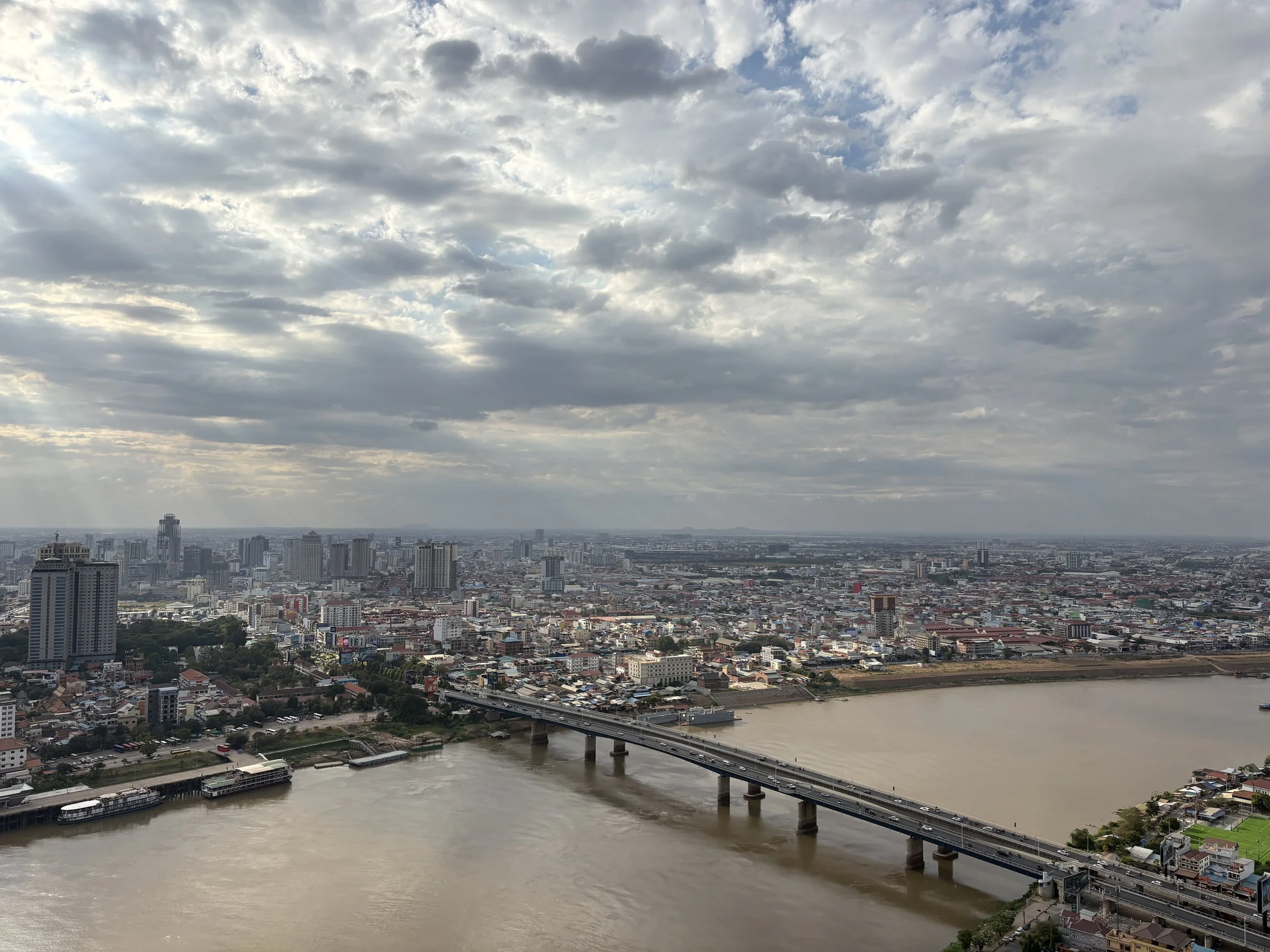
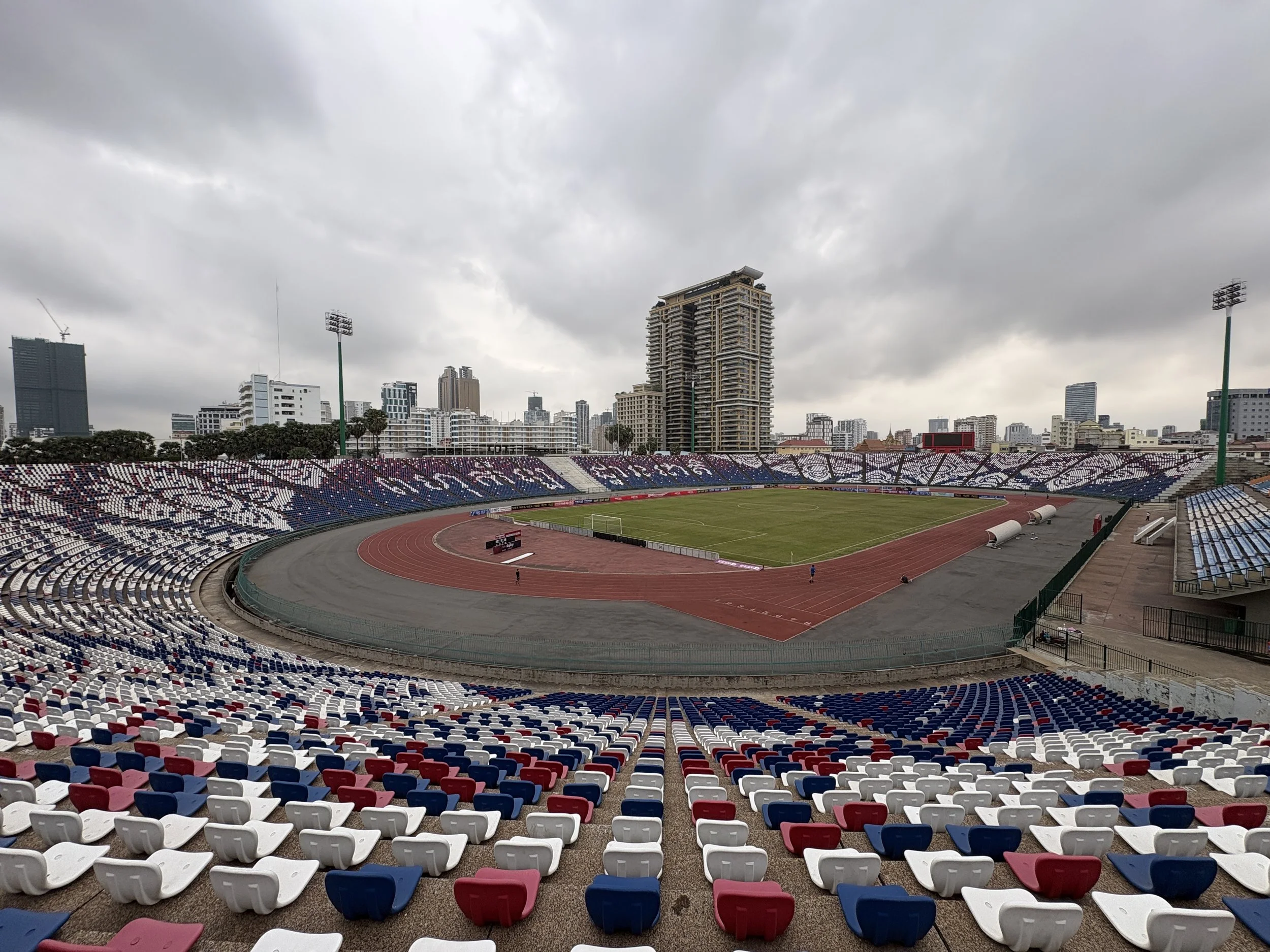
Phnom Penh is a big city where sidewalks are rare and traffic is dense and chaotic. The best spots for running are Sisowath Riverside Park along the river, the parks near the Independence Monument, and the National Olympic Stadium.
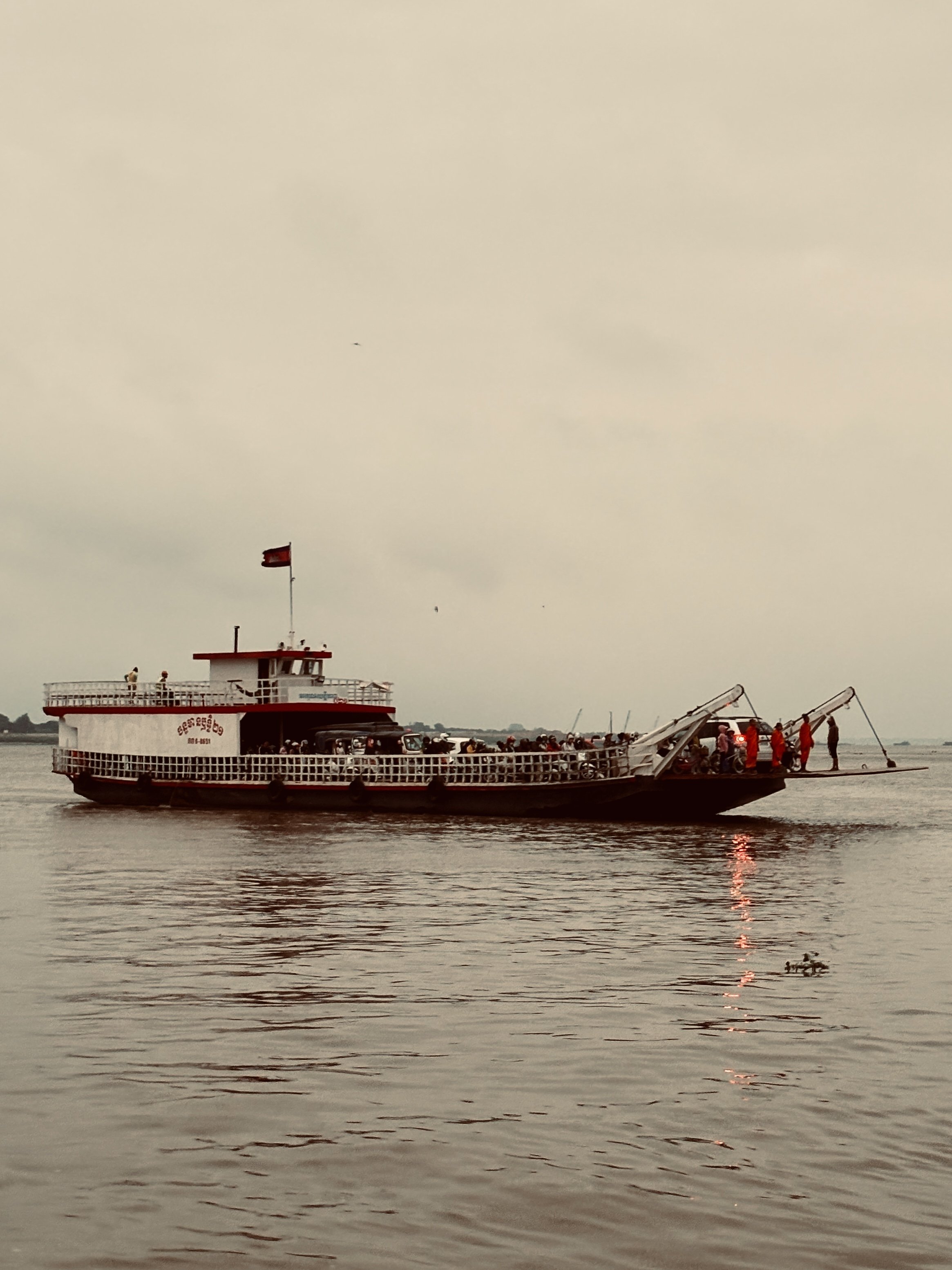
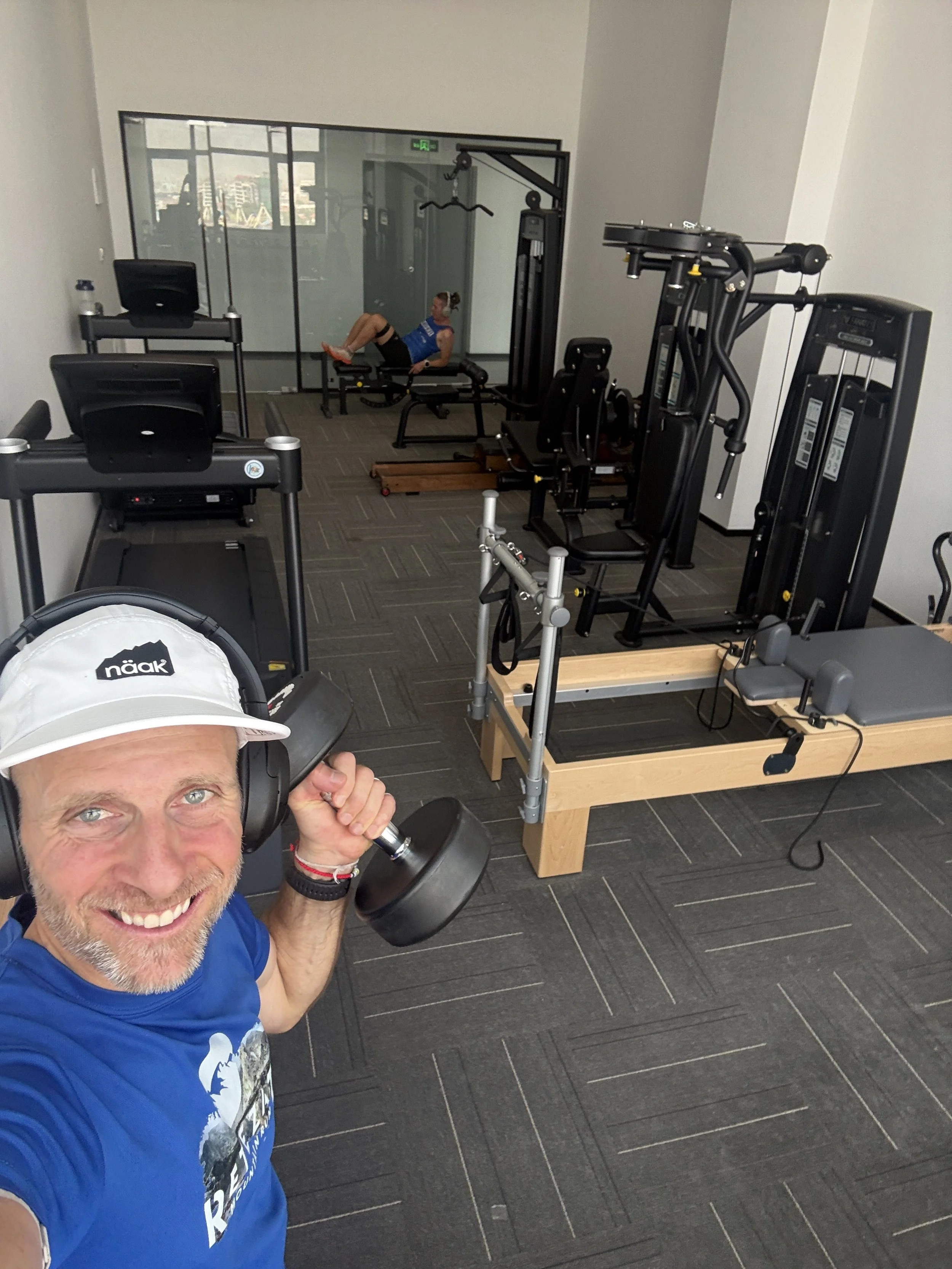
We'd be lying if we said we ran much in Phnom Penh. We were staying far from these spots, so we made the most of our apartment setup: gym, pool, treadmill, and a small urban loop on the island Chroy Changvar.
The Bottom Line
Set your alarm (4:30 it’s the best), lace up before the heat hits, and let the temples do the rest. Cambodia might not top your list of trail running destinations, but Siem Reap at dawn comes pretty close. And if you want to push it further, the Ultra Trail d'Angkor proves that this corner of the world delivers more than scenic jogs. It delivers real racing, real challenge, and a finish line you'll never forget.
You won't find podium-worthy elevation charts here or Strava segments that impress your trail crew back home. What you'll find is something harder to measure: kilometers that make you slow down, look around, and remember why you started running in the first place. The kind of runs where the destination matters less than what you pass along the way. And when you're ready to race, a course that threads through UNESCO temples, rice paddies trails, and cheering villages at 5 a.m.
So if your travels bring you to Cambodia, don't check your shoes at the airport. Wake up early, trust the sandy paths, and give yourself permission to stop for that roadside coffee. Or sign up for the race and see what these temples look like when you're chasing a finish time. Either way, the temples have been standing for a thousand years. They'll wait for you.
Run. Connect. Share. Travel.
UltraNomades – We ®️U.N.